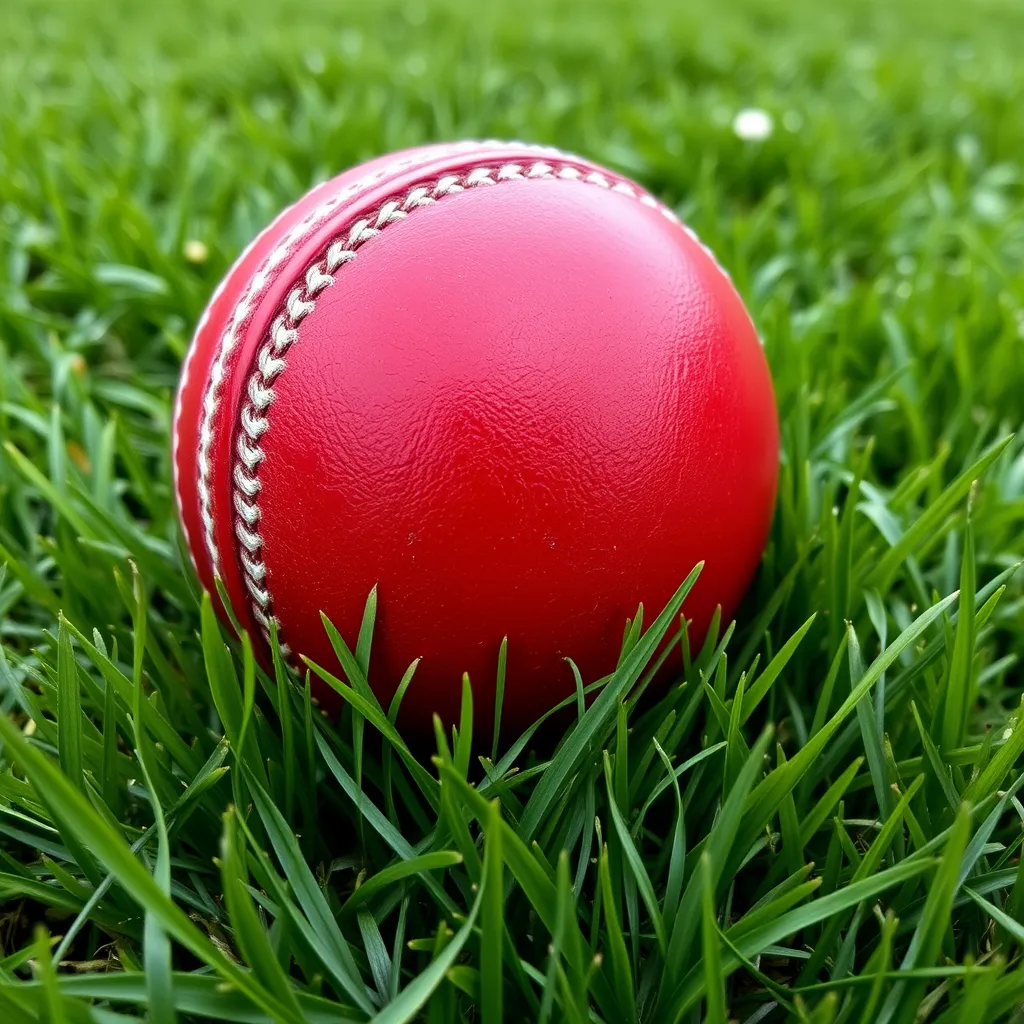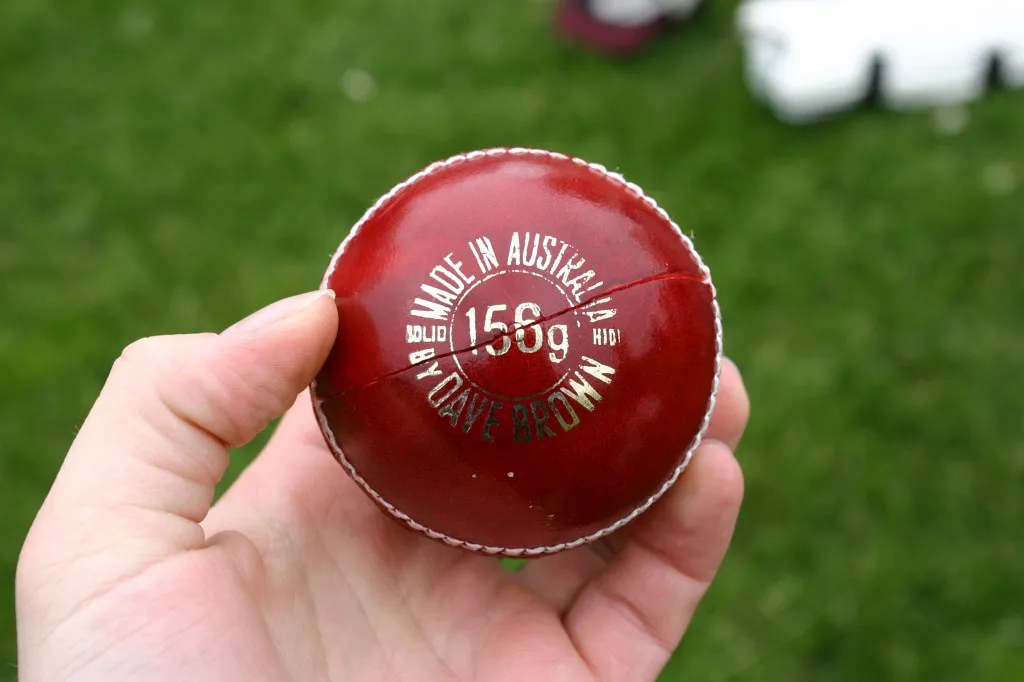
A cricket ball is made of a cork core wrapped in tightly wound string, covered by a leather casing, and held together by a hand-stitched seam. The cork gives it hardness and bounce. The string layer adds shape and weight. The leather provides grip, swing, and durability. The raised seam - stitched with 60 to 80 stitches of waxed thread - is what makes a cricket ball behave differently from any other sports ball. Here is exactly how one is made.
Cricket Ball Components
Layer | Material | Purpose |
|---|---|---|
Core | Cork (compressed) | Provides hardness, bounce, and shape retention |
Inner wrapping | Tightly wound string | Adds weight, stabilises the core, ensures roundness |
Outer casing | Leather (two or four pieces) | Durability, grip, aerodynamic properties for swing |
Seam | Waxed linen thread | Creates movement in the air and off the pitch |
Finish | Dye + lacquer | Colour (red/white/pink) and surface protection |
Step-by-Step: How a Cricket Ball Is Made
1. The Cork Core
The process starts with compressed cork. High-quality match balls use a layered cork centre - a small solid cork piece surrounded by wound cork strips. This layered construction gives the ball consistent bounce and prevents it from going soft too quickly.
Cheaper practice balls may use a solid rubber or composite core instead of cork. This is why practice balls feel different - they bounce less predictably and do not swing as well.
2. The String Winding
The cork core is placed in a mould and wrapped with several hundred metres of tightly wound string. This is done on a machine that rotates the ball while applying consistent tension. The string layer is what gives the ball its final weight (155.9g to 163g for men's) and ensures it remains perfectly round.
3. The Leather Casing
The string-wound core is then enclosed in leather. Match-quality balls use four pieces of alum-tanned cowhide leather - two per hemisphere. The leather is softened, cut to shape, and moulded around the core while still damp.
The quality of leather determines how well the ball ages. Premium balls from Dukes, Kookaburra, and SG use hand-selected Grade A leather that maintains its colour and shape throughout a full day's play. Cheaper balls use lower-grade leather that scuffs and loses shape faster.
4. Stitching the Seam
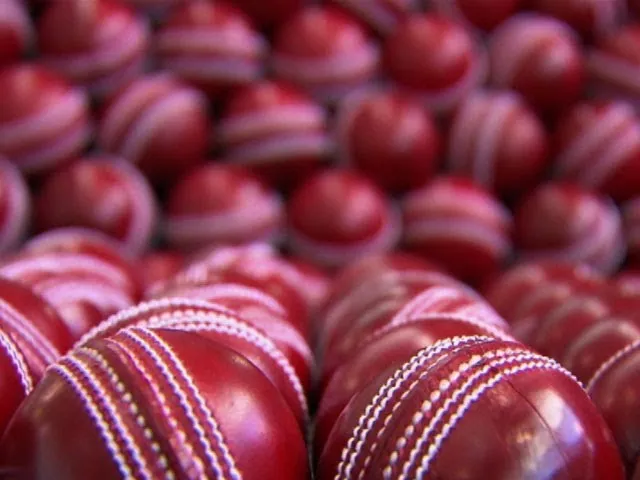
This is the most critical step. A skilled craftsman hand-stitches the two halves together using waxed linen thread, creating the raised seam. A top-quality ball has 6 rows of stitching - 3 either side of the centre join - with 60 to 80 individual stitches.
The seam height and tightness directly affect how the ball swings. A prominent, well-stitched seam creates more air resistance on one side, causing the ball to deviate in flight. This is why manufacturers guard their stitching techniques carefully - it is the difference between a ball that swings beautifully and one that flies straight.
5. Dyeing and Finishing
Finally, the ball is dyed and finished:
Red balls: Aniline dye that penetrates the leather. Natural finish with light polish
White balls: Polyurethane lacquer coating for visibility under floodlights. This coating makes white balls swing more initially but deteriorate faster
Pink balls: Pigmented leather with additional lacquer layers for visibility during day-night Test matches
Each ball is then stamped with the manufacturer's logo, weighed, and measured to ensure it falls within ICC specifications.
From experience: You can feel the difference between a hand-stitched match ball and a machine-stitched practice ball the moment you pick it up. The match ball has a more defined seam, sits better in your bowling hand, and the leather has a firmness that tells you it will carry to the keeper. When we practiced with cheap balls, the seam was flat after 10 overs and there was nothing left for bowlers to work with.
Why Ball Quality Matters?
The manufacturing quality directly affects match conditions:
Better cork core = consistent bounce throughout the innings
Better leather = maintains shine on one side for conventional swing
Better seam = movement off the pitch and in the air for longer
Better shape retention = fair contest between bat and ball even after 60+ overs
This is why Test-match balls cost $100-$200+ each, while practice balls can be bought for under $10. The raw materials and craftsmanship are completely different.
Credit: Discovery UK
Conclusion
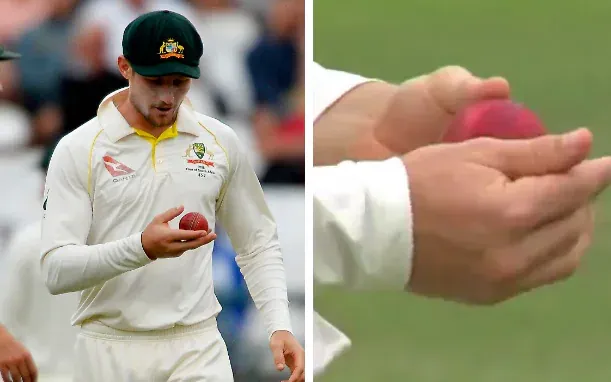
Every cricket ball is an engineered piece of sporting equipment - cork for bounce, string for weight, leather for durability, and a hand-stitched seam for movement. The quality of each component determines how the ball performs across a full innings. Understanding ball specifications and construction helps explain why certain bowling conditions favour swing, why the ball behaves differently after 40 overs, and why ball tampering is taken so seriously - even small changes to the surface can transform how the ball moves.
FAQs
What is the core of a cricket ball made of?
Compressed cork for match balls. Practice balls may use rubber or composite materials.
How many stitches does a cricket ball have?
A quality match ball has 60 to 80 stitches of waxed linen thread across 6 rows of hand-stitching.
Why are match balls so expensive?
Premium leather, layered cork core, and hand-stitching by skilled craftsmen. A Test-match ball costs $100-$200+ compared to under $10 for a practice ball.
Is a cricket ball harder than a baseball?
Yes. A cricket ball is slightly heavier (155g vs 145g) and has a harder cork core. The raised seam also makes it more painful on impact.