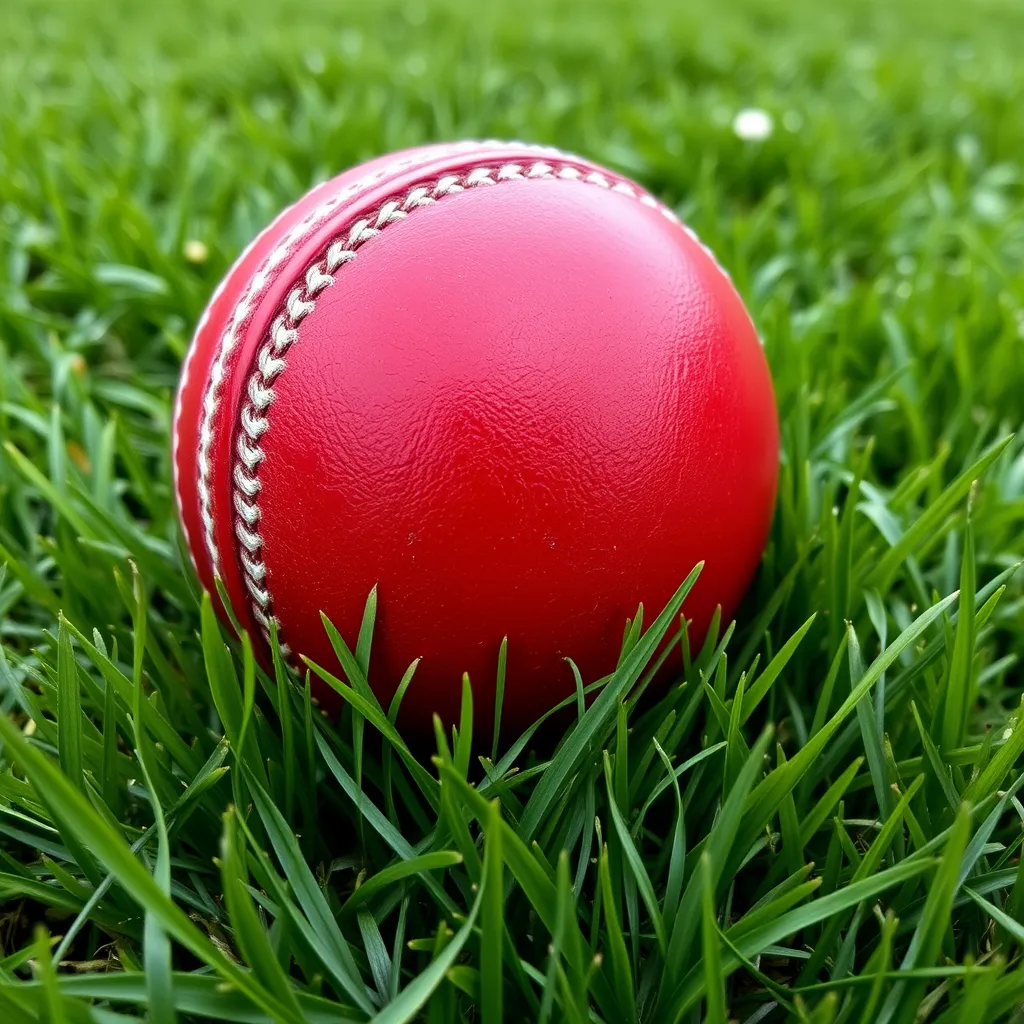
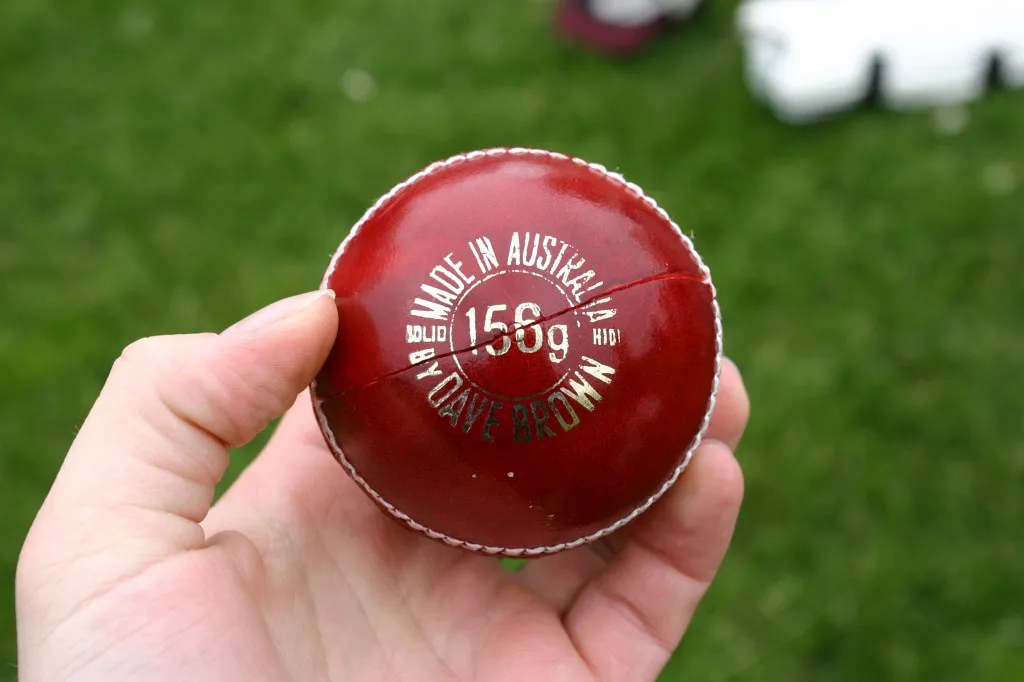
A men's cricket ball weighs between 155.9g and 163g (5.5 to 5.75 ounces) and has a circumference of 22.4cm to 22.9cm (8.81 to 9 inches). Women's balls are slightly smaller at 140g to 151g. These are the ICC-approved dimensions that every official match ball must meet. The weight, size, and seam construction directly affect how a ball swings, seams, and deteriorates - which is why bowlers obsess over ball condition. Here is the complete breakdown.
Official Cricket Ball Dimensions
Specification | Men's | Women's | Junior (U13) |
|---|---|---|---|
Weight | 155.9g - 163g | 140g - 151g | 133g - 144g |
Circumference | 22.4cm - 22.9cm | 21.0cm - 22.5cm | 20.5cm - 22.0cm |
Ounces | 5.5 - 5.75 oz | 4.94 - 5.31 oz | 4.69 - 5.06 oz |
These dimensions are governed by Law 4 of the Laws of Cricket (MCC). Every ball used in international cricket must be approved by the ICC and fall within these ranges.
How Cricket Ball Weight Affects Play?
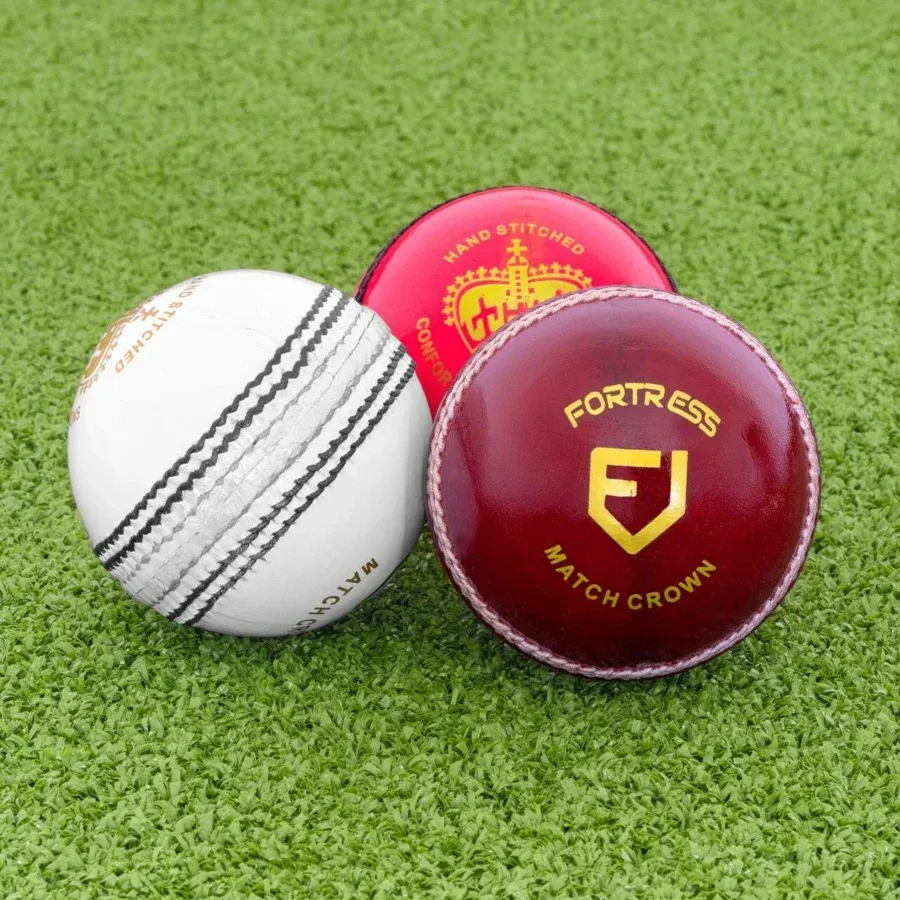
A heavier ball (closer to 163g) carries more momentum off the pitch, which helps fast bowlers generate extra bounce and carry to the wicketkeeper. A lighter ball (closer to 155.9g) can swing more in the air because the seam has a relatively greater aerodynamic effect.
This is why different manufacturers produce balls that behave differently:
Kookaburra: Used in Australia, South Africa, and most of Asia. Slightly flatter seam that wears quickly after 20-30 overs
Dukes: Used in England and West Indies. Prominent raised seam that swings for longer, sometimes up to 60+ overs
SG (Sanspareils Greenlands): Used in India. Seam sits between Dukes and Kookaburra, offers early swing then aids spin
Ball Dimensions by Colour
The colour of a cricket ball does not change its official weight or size - all three colours must meet the same ICC specifications. However, the manufacturing process differs:
Red ball: Dyed with aniline dye, natural leather finish. Swings more when new, retains shape well
White ball: Coated with polyurethane lacquer for visibility. Swings significantly in the first 10-15 overs then goes soft faster
Pink ball: Pigmented leather with extra lacquer coating. Designed to be visible under floodlights, swings more than white but less than red
The Seam: Why It Matters
The seam is the raised stitching that runs around the equator of the ball. It is hand-stitched with between 60 and 80 stitches of waxed thread. The seam height and hardness directly control how much the ball swings and seams off the pitch.
New ball: Pronounced seam, hard lacquer, maximum swing and seam movement
15-30 overs: Seam softens, lacquer wears, swing reduces. Spin begins to grip
40+ overs: Ball roughens on one side. Reverse swing becomes possible as the rough side creates turbulent airflow
From experience: The difference between a new Dukes and a new Kookaburra is night and day. When I bowled with Dukes at pace, the seam held upright and the ball moved consistently through 25-30 overs. With Kookaburra, you had maybe 15 overs of good swing before the seam flattened out. Knowing your ball is part of knowing your game plan.
How to Check Ball Condition During a Match
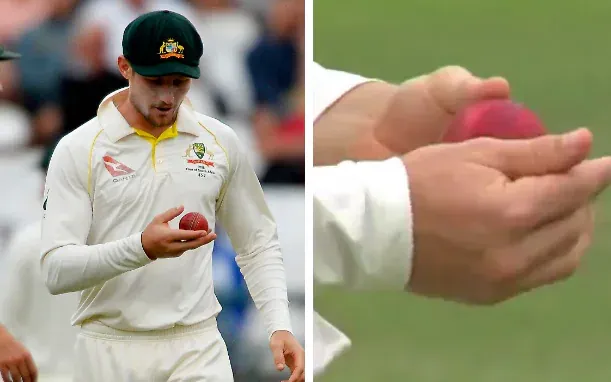
Umpires inspect the ball regularly to ensure it has not been illegally altered. Players can legally:
Polish one side with sweat or saliva (saliva ban in effect since 2022 - only sweat now)
Clean dirt off the ball on clothing
Bounce the ball to the wicketkeeper normally
They cannot scratch the surface, lift the seam, apply foreign substances, or use fingernails to rough up the ball. Any such action falls under ball tampering and carries serious penalties.
Credit: AJ Sports
Conclusion
Cricket ball weight and size are standardised for a reason - even small differences in weight or seam height change how the ball behaves in the air and off the pitch. Understanding these dimensions helps you appreciate why different ball colours and manufacturers produce different match conditions, and why bowlers spend so much effort maintaining ball condition legally. If you want to know what goes inside that leather shell, read our guide on how cricket balls are made.
FAQs
How much does a cricket ball weigh?
A men's cricket ball weighs 155.9g to 163g (5.5 to 5.75 ounces). Women's balls weigh 140g to 151g.
Are red, white, and pink cricket balls the same size?
Yes. All three must meet the same ICC weight and circumference specifications. The difference is in the dye, coating, and how they wear.
Why do Dukes balls swing more than Kookaburra?
Dukes have a more pronounced, hand-stitched seam that stays raised for longer, helping maintain swing well beyond 30 overs.
What size ball do juniors use?
Under-13s use a ball weighing 133g to 144g with a circumference of 20.5cm to 22.0cm - lighter and smaller for safety and control.