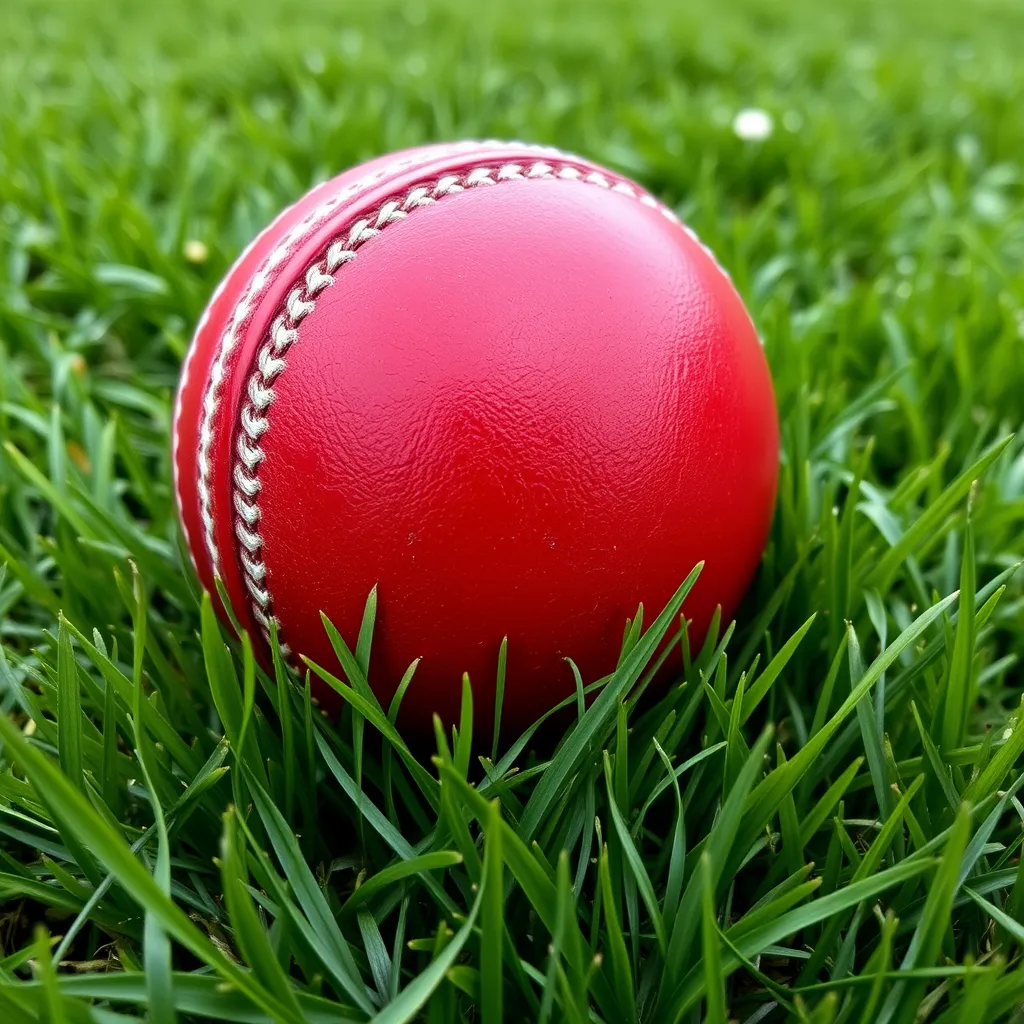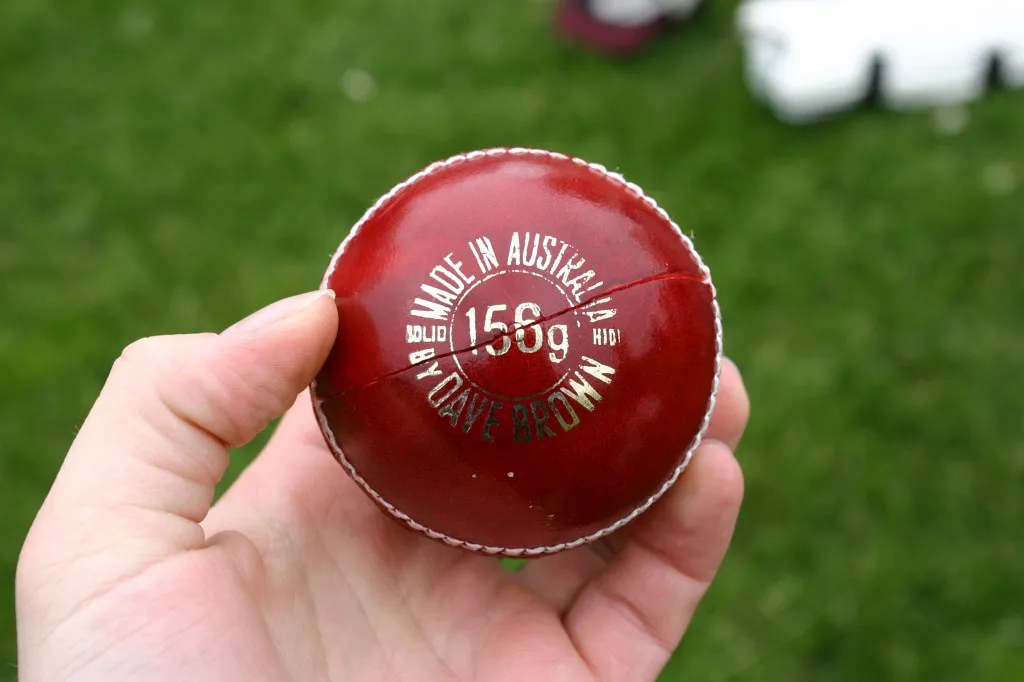
Ball tampering is the illegal alteration of a cricket ball's condition to gain a bowling advantage. This includes scratching the leather, lifting the seam, applying foreign substances, or using objects like sandpaper to rough up one side. It is banned under ICC Law 41.3 because even minor changes to the ball's surface can dramatically affect how it swings and seams. The punishment ranges from 5-run penalties and match bans to career-ending suspensions. Here is exactly what counts as tampering, why it matters, and the biggest scandals in cricket history.
What Counts as Ball Tampering?
Under ICC rules, the following are illegal:
Scratching the surface with fingernails, zippers, or bottle caps to create roughness
Lifting or picking at the seam to make it more prominent
Applying foreign substances - lip balm, sunscreen, hair gel, mints, or any artificial material
Using objects like sandpaper, coins, or rough surfaces on the ball
Deliberately scuffing the ball on the ground or abrasive surfaces
What is legal:
Polishing the ball on your clothing (using sweat only - saliva was banned in 2022)
Cleaning dirt or mud off the ball
Normal handling and throwing during play
Why Does Ball Tampering Work?
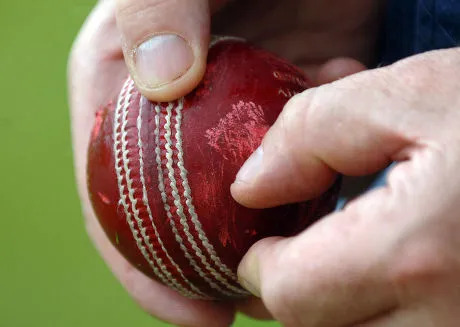
A cricket ball swings because of asymmetric airflow. When one side is smooth and the other is rough, air moves faster over the smooth side, creating a pressure difference that pushes the ball sideways. This is conventional swing.
After 40-50 overs, if one side is artificially roughened while the other is kept shiny, the ball can reverse swing - moving the opposite direction to conventional swing. This is devastating because batters expect the ball to go one way and it goes the other.
By tampering with the ball, bowlers can:
Create reverse swing much earlier (after 20-25 overs instead of 40+)
Generate more extreme movement than the natural ball condition allows
Maintain conventional swing for longer by artificially preserving the shiny side
This is why the ball's surface condition is so closely monitored by umpires.
ICC Penalties for Ball Tampering
Level | Offence | Penalty |
|---|---|---|
Level 2 | Changing the ball's condition | 5-run penalty, 1-4 demerit points, potential 1-2 Test match ban |
Level 3 | Serious ball tampering with intent | Ball replacement, 6-12 demerit points, 2-6 Test match ban |
Level 4 | Extreme cases / repeat offenders | 5+ Test match ban, potential career suspension |
The fielding team also faces the immediate replacement of the ball with one in worse condition - chosen by the umpires. This means the bowling side loses any advantage they had built up over many overs.
The Biggest Ball Tampering Scandals
Sandpapergate - Australia vs South Africa (2018)
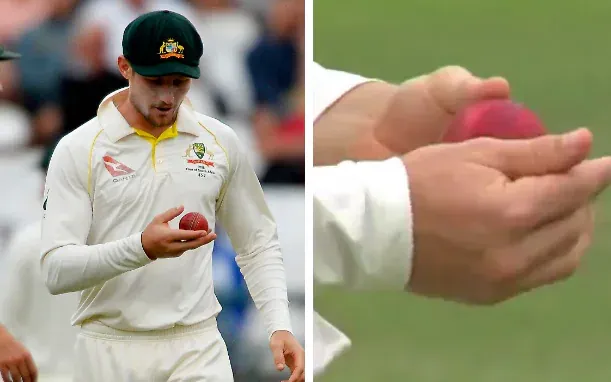
The most infamous incident in cricket history. During the Cape Town Test, TV cameras caught Cameron Bancroft using sandpaper on the ball. Captain Steve Smith and vice-captain David Warner were found to have planned it. Cricket Australia handed down unprecedented punishments:
Steve Smith: 1-year ban from international cricket, stripped of captaincy
David Warner: 1-year ban, lifetime leadership ban
Cameron Bancroft: 9-month ban
The scandal went beyond cricket - it became a national issue in Australia and led to a complete cultural review of Cricket Australia.
Shahid Afridi - Pakistan (2010)
During a match against Australia, Afridi was caught on camera biting the ball to scuff it. He received a 2-match ban. It remains one of the most bizarre tampering methods ever attempted.
Faf du Plessis - South Africa (2013 & 2016)
Du Plessis was twice found guilty - once for rubbing the ball on a zipper on his trousers, and again for using mint-laced saliva to shine the ball. He received fines both times.
Michael Atherton - England (1994)
Atherton was caught on camera taking dirt from his pocket and applying it to the ball during a Test against South Africa. He claimed it was to dry his hands. He was fined £2,000 but not banned, which was controversial at the time.
From experience: At club and district level, ball maintenance is a constant conversation. Every team has someone whose job is to keep the shiny side polished. The line between good ball maintenance and tampering is clear in the laws, but on the field, you see teams pushing it - rubbing the ball aggressively on rough patches of their trousers, or using fingernails near the seam. At the top level, the pressure to find any edge makes it tempting, which is exactly why the penalties had to become severe.
The 2022 Saliva Ban
After COVID-19, the ICC permanently banned the use of saliva on the ball. Players can now only use sweat to polish the shiny side. This changed bowling dynamics - saliva was more effective than sweat at maintaining shine, so conventional swing now tends to die out earlier in an innings. This also means the manufacturing quality of the ball matters even more, because natural ball deterioration is less controllable.
Credit: CNN Business
Conclusion
Ball tampering remains one of cricket's most serious offences because it directly undermines the fair contest between bat and ball. The ball's weight, size, and seam construction are standardised so that both teams play under equal conditions. When a team illegally alters the ball, they are not just breaking a rule - they are changing the physics of how the ball moves. The Sandpapergate scandal proved that cricket takes this seriously, and modern ICC penalties are designed to make the risk far greater than any reward.
FAQs
What is the penalty for ball tampering in cricket?
A 5-run penalty, ball replacement, demerit points, and potential match bans of 1 to 6+ Tests depending on severity.
Can players still use saliva on the ball?
No. The ICC permanently banned saliva in 2022. Only sweat can be used to polish the ball.
Why is ball tampering such a big deal?
Even minor surface changes dramatically affect how the ball swings. It gives bowlers an unfair advantage that batters cannot see or predict.
What was Sandpapergate?
In 2018, three Australian players used sandpaper to roughen the ball during a Test in Cape Town. Smith and Warner received 1-year bans, the harshest tampering penalties in history.