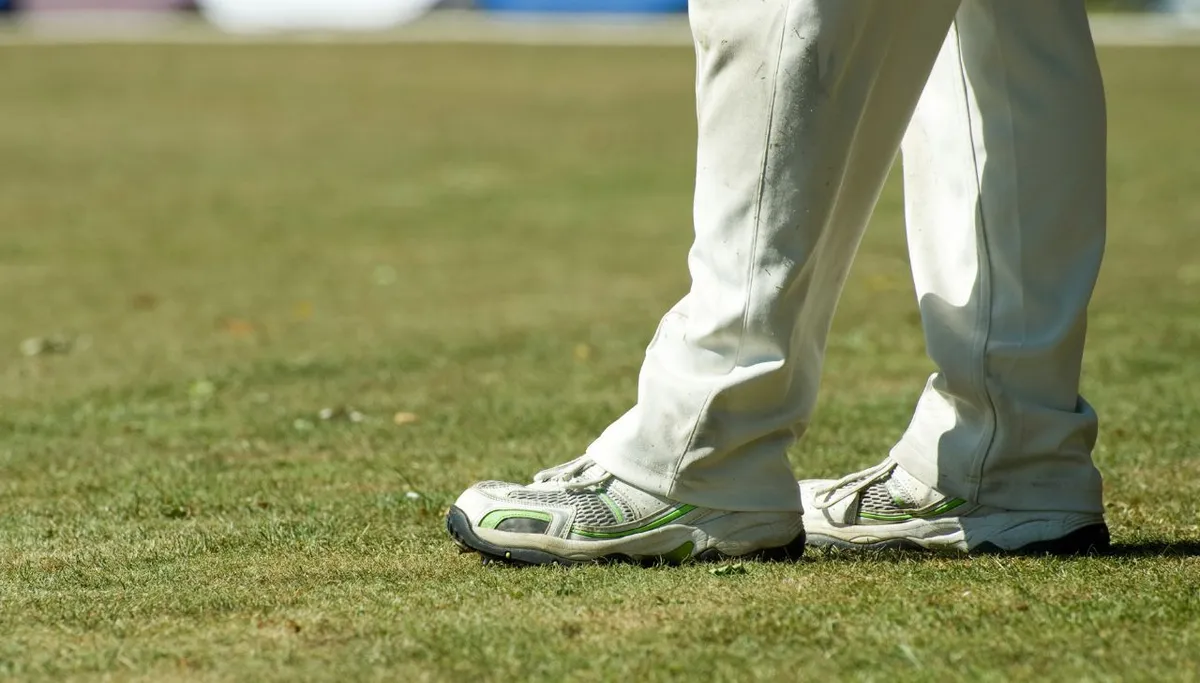
Choosing the right cricket shoes comes down to three things: the surface you play on, your position, and the fit. Spikes give grip on turf. Rubber soles work on synthetic pitches and indoor surfaces. Fast bowlers need cushioning and ankle support. Batters need lightweight agility. Wicket keepers need low-profile comfort. Wrong shoes do not just hurt your performance - they cause blisters, ankle rolls, and long-term foot problems. Here is how to pick the right pair.
Step 1: Match Shoes to Your Playing Surface
The surface you play on is the most important factor. A spike shoe on concrete is dangerous. A rubber sole on wet turf slips on every stride. Here is the simple breakdown:
Surface | Shoe Type | Why |
|---|---|---|
Turf / grass (outdoor) | Full or half spikes | Maximum grip for bowling run-up and running between wickets |
Matting / synthetic pitch | Rubber sole or half spike | Spikes slip on matting; rubber grips the synthetic surface |
Indoor cricket | Rubber sole only | Spikes destroy indoor flooring and are usually banned |
Concrete / hard courts | Rubber sole | Spikes offer no benefit and wear out quickly on hard surfaces |
For a full comparison, read our guide on cricket spikes vs rubber soles. If you play across multiple surfaces, look at full spike vs half spike shoes - half spikes are the most versatile option.
Step 2: Choose by Position
Fast Bowlers
Fast bowlers land with up to 9 times their body weight on the front foot during delivery. This is why bowling shoes must have:
Strong ankle support - mid-top or high-top design to prevent rolling
Heavy front-foot cushioning - absorbs landing impact
Reinforced sole - prevents wear on the drag foot
Full metal spikes - 7 to 10 spikes for maximum grip on turf
Batters
Batters need lightweight shoes with quick acceleration for running between wickets. Look for:
Low-profile design - lighter weight, faster push-off
Flexible sole - better ground feel for running
Half spikes - enough grip without the weight of full spikes
All-Rounders
All-rounders need a balanced shoe - enough ankle support for bowling, light enough for running. Half spike shoes with mid-top support usually work best.
Wicket Keepers
Keepers spend hours in a low squat. Prioritise comfort and flexibility over grip. Rubber-sole shoes or half spikes are ideal - full spikes dig into the ground during squat transitions and can cause knee strain.
Step 3: Get the Right Fit
Bad fit is the most common mistake. Here is exactly how to check:
Try shoes in the evening. Your feet swell during the day, so evening fit matches how your feet feel after a long day in the field
Wear cricket socks when trying them on - everyday socks are thinner and will make shoes feel looser
Leave a thumbnail's width between your big toe and the shoe tip. Too snug and your toes bruise during bowling follow-through
The heel must not slip when you walk. A loose heel causes blisters on the first day of use
Flex the sole at the ball of the foot. It should bend where your foot bends, not in the middle
From experience: When I was playing district-level cricket, I made the mistake of buying shoes a half size too small because the brand I wanted was only available in that size. By the third match day, my toenails were black and I could barely run. Shoe fit is not a place to compromise. If your size is not available, switch brands.
Common Cricket Shoe Buying Mistakes
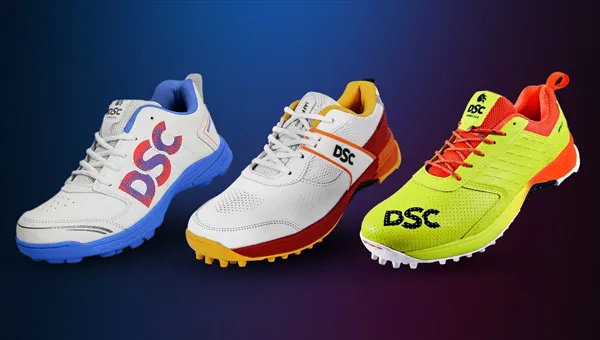
Buying running shoes for cricket. Running shoes have no lateral support and cannot handle side-to-side movement during fielding
Choosing by looks over function. A good-looking shoe that does not fit your position costs you runs and wickets
Ignoring the upper material. Mesh is breathable but tears easily. Synthetic leather lasts longer but gets hot
Not checking spike compatibility. Some shoes have proprietary spikes that are hard to replace. Look for standard-thread spikes
Buying one size fits all. Junior and adult feet have different proportions - buy age-appropriate shoes
Budget Breakdown
Budget | What You Get | Best For |
|---|---|---|
Under $60 | Basic rubber sole or low-grade spikes | Beginners, casual players, tape-ball |
$60 - $120 | Mid-range brand spikes, decent cushioning | Club cricket, weekend leagues |
$120 - $200 | Premium spikes, professional-grade support | Serious club/representative cricket |
$200+ | Top-tier pro models (Asics, Nike, Adidas) | Elite/professional players |
Credit: Serious Cricket
Conclusion
The right cricket shoes come from matching your surface, position, and fit - not brand hype or price. A $200 spike shoe is useless on concrete. A $60 rubber sole will ruin your bowling on turf. Once you have picked the right type, maintain them properly so they last - read our cricket shoe care guide for cleaning and storage tips. And if you are still deciding between sole types, our spikes vs rubber soles comparison breaks down every scenario.
FAQs
Can I use running shoes for cricket?
No. Running shoes lack lateral support and cannot handle the side-to-side movement of fielding. They also have no grip for bowling run-ups.
What shoe do fast bowlers wear?
Full metal spikes with mid-top ankle support and heavy front-foot cushioning. Key brands include Asics, Nike, and New Balance.
Should I size up in cricket shoes?
Usually no - but leave a thumbnail's width at the toe. Cricket shoes generally run true to size if you wear proper cricket socks when fitting.
How much should I spend on cricket shoes?
For serious club cricket, $120-$200 gets you professional-grade support and durability. Under $60 is fine for beginners and casual play.