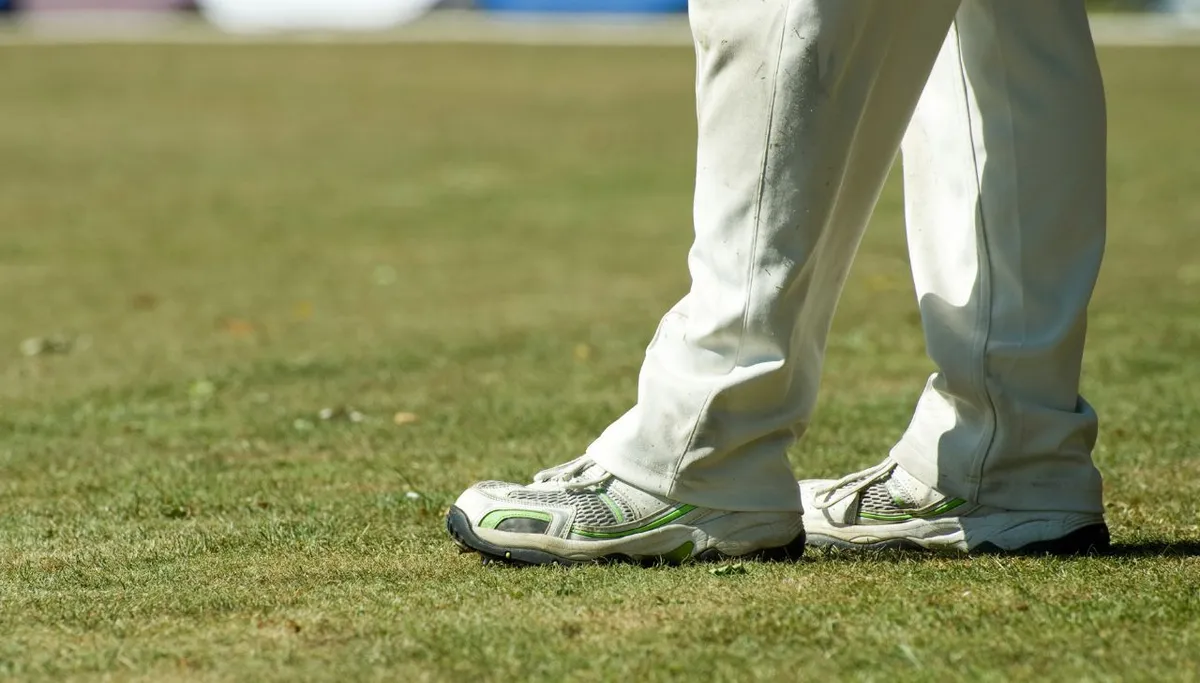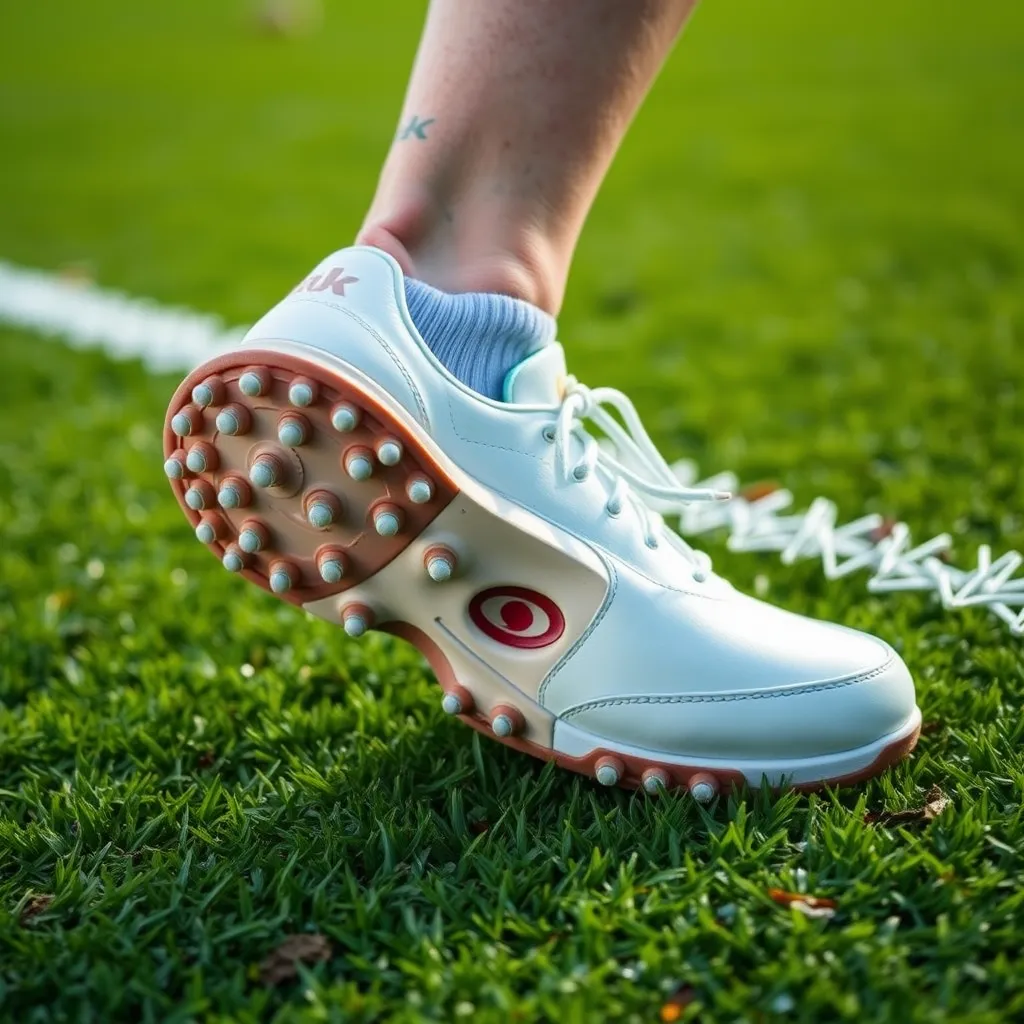
Full spike cricket shoes have metal spikes across the entire sole (usually 8 to 12 spikes). Half spike shoes have spikes only in the forefoot area with a rubber heel (typically 4 to 6 spikes). Full spikes offer maximum grip for turf bowling. Half spikes are lighter, more versatile, and work on matting too. The choice depends on your position, playing surface, and how much grip you actually need. Here is how they compare.
Full Spike vs Half Spike: Quick Comparison
Feature | Full Spike | Half Spike |
|---|---|---|
Spike count | 8-12 | 4-6 |
Spike coverage | Forefoot + heel | Forefoot only |
Heel type | Metal spikes | Rubber / TPU |
Grip on turf | Maximum | Good |
Grip on matting | Poor (can slip) | Good |
Weight | Heavier | Lighter |
Comfort for running | Lower | Higher |
Best for | Fast bowlers on turf | Batters, all-rounders, mixed surfaces |
Full Spike Cricket Shoes
Full spike shoes have metal spikes in both the forefoot and heel, giving total grip across your entire foot. This is the traditional bowling shoe design.
Advantages
Maximum grip for bowling run-ups on soft turf
Stability during delivery stride - heel spikes prevent slipping at back-foot contact
Better for heavy bowlers - more spikes distribute load
Strong drag foot support - heel spikes reduce sliding
Disadvantages
Heavier - slower running between wickets
Uncomfortable for long fielding - heel spikes dig into firm ground
Cannot use on matting - spikes catch and slip unpredictably
Wears out faster on hard surfaces - metal spikes bend and break
Half Spike Cricket Shoes
Half spike shoes combine metal spikes in the forefoot with a rubber or TPU heel. This design gives bowling grip without the drawbacks of a full metal sole.
Advantages
Lighter weight - faster running between wickets
Works on multiple surfaces - turf, matting, semi-dry pitches
More comfortable during long fielding sessions - rubber heel cushions better
Better for batters and all-rounders - balanced grip and agility
Lasts longer on harder ground
Disadvantages
Less grip for fast bowlers - rubber heel slides slightly during delivery
Not ideal for wet, soft turf - heel does not grip muddy conditions
Which Type Should You Buy?
Use this quick decision guide:
Player Type | Recommended Shoe |
|---|---|
Fast bowler on turf | Full spike |
Medium pace / spin bowler | Half spike |
Batter | Half spike (or rubber sole if on matting) |
All-rounder | Half spike |
Wicket keeper | Half spike or rubber sole |
Plays on mixed surfaces | Half spike (most versatile) |
From experience: At U16 and U19 level, I used full spikes because I opened the bowling and needed every bit of grip. Once I moved into all-rounder roles at senior club level, I switched to half spikes. The weight difference sounds small on paper, but over 40 overs in the field plus batting in the evening, lighter shoes genuinely save your legs. Most club players do not need full spikes - half spikes are enough for 90% of situations.
Spike Maintenance
Regardless of which type you choose, spikes need regular attention. Loose or bent spikes ruin grip and can cause falls. Check spikes before every match:
Tighten loose spikes with a spike key before each match
Replace bent or broken spikes immediately - never play with missing spikes
Clean mud out of spike threads to prevent rusting
Store shoes dry - wet metal spikes corrode fast
For full cleaning and maintenance tips, see our cricket shoe care guide.
Credit: Cricket With Snehal * Hindi
Conclusion
The full spike vs half spike choice comes down to how much grip you actually need. Full spikes are specialist fast-bowler shoes built for soft turf. Half spikes are the all-rounder of cricket footwear - good grip for bowling, light enough for batting, comfortable for long days in the field. Most club and recreational players will get more value from half spikes. If you are still deciding between spikes and rubber altogether, our spikes vs rubber guide covers that debate, and the complete cricket shoe buying guide walks through position and fit.
FAQs
Can batters wear full spike shoes?
Yes, but they do not need to. Half spikes are lighter and more comfortable for running between wickets, which is what most batters actually need.
Are half spikes allowed in professional cricket?
Yes. Most professional cricketers, especially batters and all-rounders, wear half spike shoes. Full spikes are mainly worn by fast bowlers.
How many spikes should cricket shoes have?
Full spikes have 8-12 spikes. Half spikes have 4-6 spikes (forefoot only). More spikes do not always mean better grip - placement matters more than count.
Can I convert full spike shoes to half spike?
No. The sole design is different. You would need to buy a separate pair of half spike shoes or look at hybrid/convertible shoes with removable spikes.