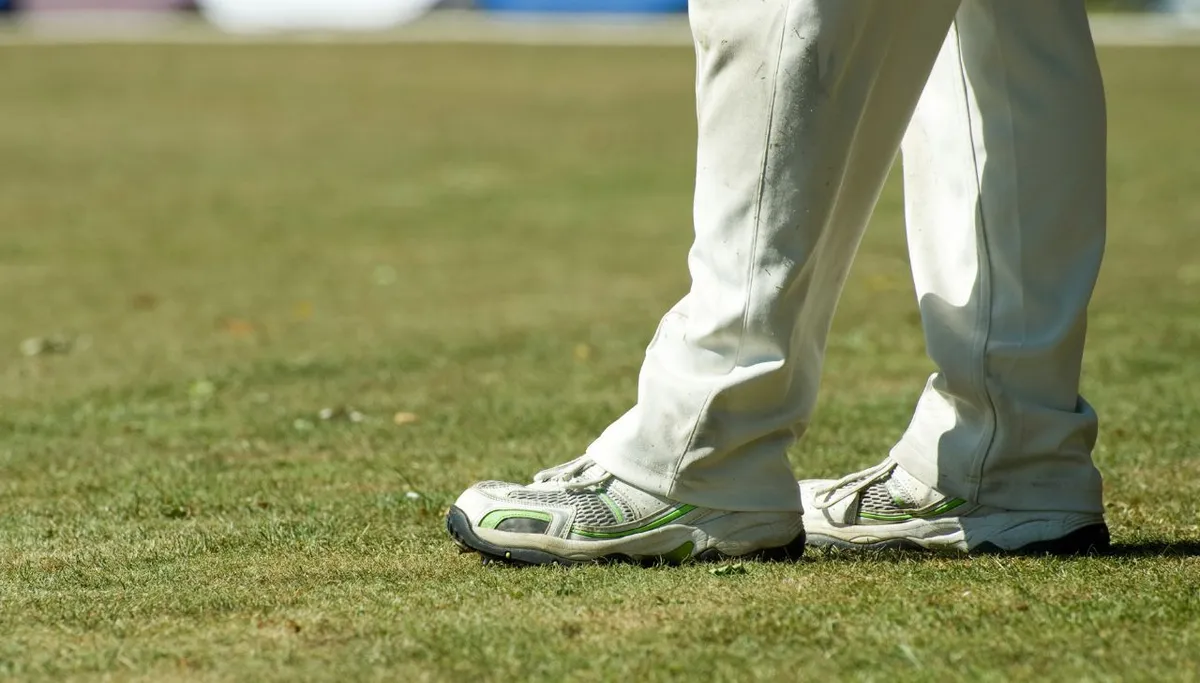
A pair of cricket shoes can last 2-3 seasons with proper care or fall apart in a single season if neglected. Cleaning mud off the soles, drying them properly, replacing worn spikes, and storing them correctly are the four habits that determine how long your shoes actually last. This matters even more for premium spike shoes that cost $150+. Here is exactly how to clean, maintain, and store cricket shoes whether you wear spikes or rubber soles.
Post-Match Cleaning (After Every Game)
The worst thing you can do is leave muddy, wet shoes in your kit bag. Dirt hardens overnight, spikes rust, and the leather cracks. After every match:
Knock off loose dirt by tapping the soles together outside
Use a stiff brush to remove dried mud from the sole and between spikes
Wipe the upper with a damp cloth - warm water only, no detergent on leather
Remove the insoles and let them air-dry separately
Stuff the shoes with newspaper if they are wet inside (absorbs moisture, keeps shape)
Air-dry at room temperature - never near heaters or in direct sunlight
Deep Cleaning (Every 4-6 Matches)
A proper clean every few matches prevents long-term damage. You will need a soft brush, mild soap, a microfibre cloth, and shoe cleaner.
Remove laces and insoles completely
Brush off all dry dirt - never wash caked mud, it scratches the leather
Mix mild soap with warm water and gently scrub the upper with a soft brush
Clean the sole separately - use a stiff brush to get between spikes
Rinse the cloth often and wipe away soap residue
Dry with a microfibre cloth, then air-dry completely (24+ hours)
Condition the leather with a mild leather conditioner if the upper is genuine leather
Spike Maintenance
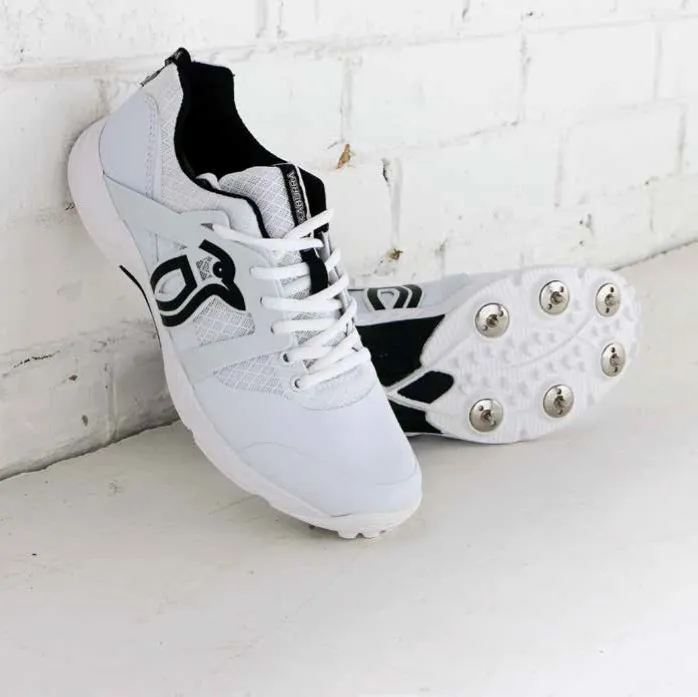
Spikes wear, bend, and rust. Checking them regularly is non-negotiable:
Before every match: Use a spike key to tighten any loose spikes. One loose spike can come out mid-run-up
After every 5-8 matches: Check for bent or blunted spikes. Replace as needed
When you see rust: Replace the spike immediately. Rusted spikes weaken and snap during delivery
Always carry spare spikes and a spike key in your kit bag
Most cricket spikes use a standard thread size and cost just a few dollars for a pack of 12. Branded replacement spikes from Asics or Nike are also available if you want an exact match.
Rubber Sole Care
Rubber-sole shoes need less spike-specific care but still require maintenance:
Clean the tread regularly - dried mud in the grip pattern reduces traction
Check for sole separation at the toe and heel. Glue with shoe repair adhesive if starting to peel
Inspect for cracks in the rubber after heavy use. Cracked soles lose grip
Drying Cricket Shoes Correctly
Wrong drying is what kills cricket shoes fastest. Do not:
Never use a heater, radiator, or hair dryer. Direct heat cracks leather and warps the sole
Never leave them in direct sunlight for hours. UV degrades synthetic materials and fades colour
Never put them in a washing machine or dryer. Both destroy the structure
Correct drying:
Remove insoles and dry them separately
Stuff the shoes with newspaper - change it every 2-3 hours if shoes were very wet
Air-dry in a well-ventilated room at normal room temperature
Allow 24-48 hours to dry completely before storage
Storage Between Seasons
During the off-season, proper storage saves the shoe:
Clean thoroughly - never store dirty shoes
Condition the leather if your shoes have leather uppers
Remove spikes if storing for 6+ months - prevents them rusting into the sole
Stuff with clean newspaper to hold shape
Use a breathable shoe bag - plastic bags trap moisture and grow mould
Store in a cool, dry place - not in a hot car or damp garage
From experience: I learned the hard way. I once stuffed muddy spikes into a kit bag after a match, left them through a rainy week, and pulled them out to find the leather cracking and the spikes rusted into the soles. Those shoes never played the same. Now I clean my shoes within an hour of every match - 5 minutes of work saves you $150 in replacement cost.
Signs It Is Time to Replace Your Cricket Shoes
Cushioning feels dead - midsole foam has compressed, no longer absorbs impact
Sole separation at toe or heel that glue cannot fix
Multiple spike threads stripped - no way to replace spikes properly
Upper is cracked or torn beyond repair
You feel pain during play that was not there before - support has broken down
Most cricket shoes last 2-3 seasons of regular club play. If you play multiple times a week, you may need new shoes every season. Professional players replace spike shoes even more often - some go through 3-4 pairs per year.
Credit: Cricket Cardio
Conclusion
Cricket shoes are one of your most expensive pieces of equipment, and they take the most punishment during play. A quick post-match clean, regular spike checks, and proper drying and storage will double their useful life. Combined with picking the right shoes in the first place and choosing between full spikes and half spikes based on your game, good care habits save you serious money over a playing career. And if you are still deciding between spikes and rubber soles, that guide covers the surface-by-surface tradeoffs.
FAQs
Can I wash cricket shoes in a washing machine?
No. Machine washing destroys the midsole foam and warps the upper. Hand-clean only with mild soap and warm water.
How do I dry wet cricket shoes quickly?
Remove insoles, stuff with newspaper, and air-dry at room temperature. Never use a heater or dryer - direct heat cracks leather and warps soles.
How often should I replace cricket spikes?
Replace individual spikes as soon as they bend, rust, or lose threading. Most players replace a few spikes every 5-8 matches depending on surface hardness.
How long should cricket shoes last?
With proper care, 2-3 seasons of regular club cricket. Heavy use (multiple matches per week) shortens this to one season. Neglect can kill them in a few months.