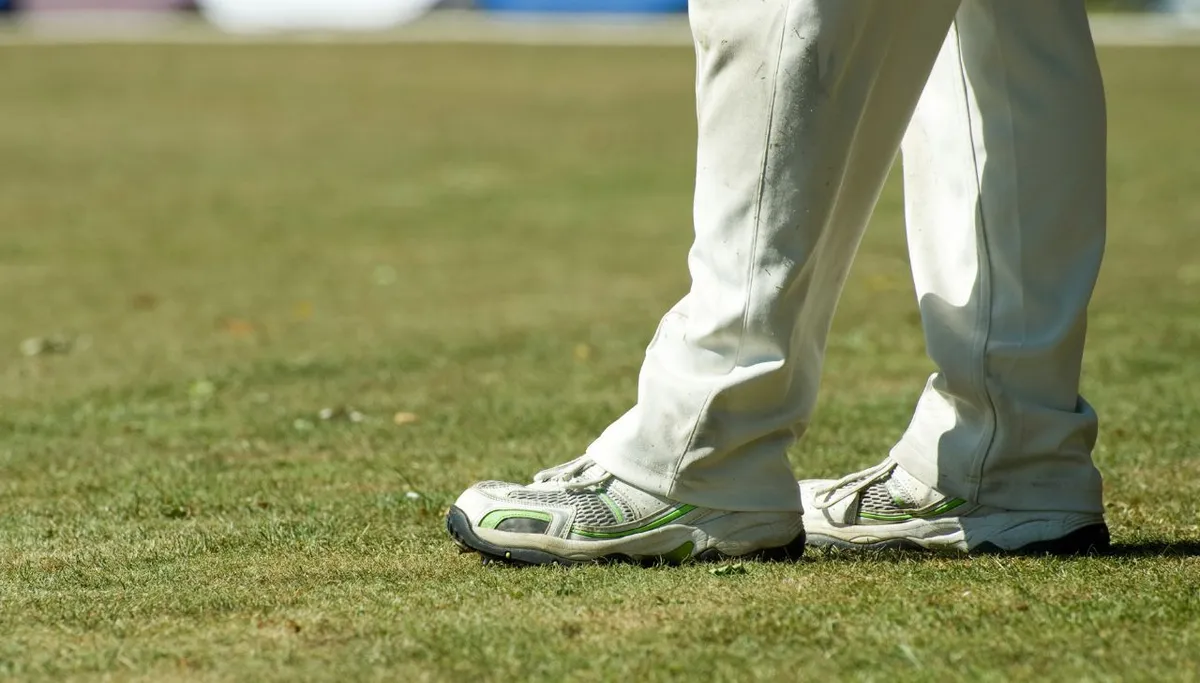
The main difference between cricket spikes and rubber soles is grip vs comfort. Spiked shoes give maximum traction on natural grass, essential for fast bowlers and wet conditions. Rubber soles are lighter, more comfortable, and built for artificial turf, indoor cricket, and hard wickets. Here's how to pick the right one for your game.
Full Spike Shoes
Full spike shoes have metal or plastic spikes across the entire sole. They're the professional standard for natural grass.
- Best for: Natural grass, turf wickets, wet conditions
- Grip: Maximum traction, essential for fast bowlers and quick running between wickets
- Drawback: Uncomfortable on hard/concrete surfaces, spikes need regular replacement
- Ankle support: Most full spike shoes offer reinforced ankle support and extra cushioning for high-impact bowling
Half Spike Shoes
The most popular middle ground between full spikes and rubber soles. Half spikes have metal spikes in the forefoot and rubber studs in the heel. They're the most popular choice among club cricketers.
- Best for: Mixed surfaces, grass outfield with hard pitches
- Grip: Good traction where it counts (front foot for bowling, push-off for running)
- Comfort: More comfortable than full spikes for long days in the field
Rubber Sole Shoes
Tip: Some brands now make hybrid shoes with removable studs, rubber sole base with optional screw-in spikes. Good if you play on multiple surfaces.
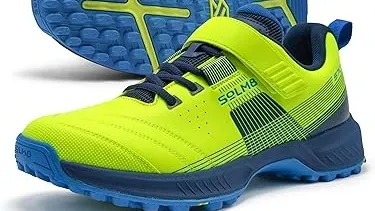
Rubber-soled shoes have moulded rubber studs instead of metal. No spike replacement needed.
- Best for: Indoor cricket, artificial turf, hard wickets, tape-ball cricket
- Grip: Adequate for dry, hard surfaces, not enough for wet grass
- Comfort: Lightest and most comfortable option
Cricket Spikes vs Rubber Soles, Which One Should You Pick?
| Playing Surface | Best Shoe Type |
|---|---|
| Natural grass (wet) | Full spikes |
| Natural grass (dry) | Full spikes or half spikes |
| Hard pitch / matting | Half spikes or rubber sole |
| Artificial turf | Rubber sole |
| Indoor cricket | Rubber sole |
By Player Role
- Fast bowlers: Full spikes, you need maximum grip at the crease during delivery stride
- Batsmen: Half spikes, good grip for running, comfortable for long innings
- Spinners: Half spikes or rubber, you don't need aggressive traction
- Wicket keepers: Rubber sole, constant squatting and lateral movement needs comfort over grip
From experience: During my U19 days, I switched from rubber sole to half spikes and the difference in running between wickets was night and day. On wet outfields, rubber soles are genuinely dangerous.
Maintenance Tips for Cricket Spikes and Rubber Soles
- Replace metal spikes when they wear below 5mm
- Clean mud from spikes after every session, clogged spikes lose grip
- Dry shoes naturally, never put them near direct heat (warps the sole)
- Apply a leather protector spray at the start of each season for longer shoe life
- Carry a spike key in your kit bag for mid-match replacements
Watch: Spikes vs Rubber Sole Cricket Shoes
Credit: Cricket Store Online
Conclusion
There's no single best cricket shoe, it depends on your surface, position, and playing level. Full spikes for wet grass, rubber soles for indoor and artificial turf, and half spikes as the all-rounder option. Pick based on where you actually play, not what the pros wear on TV.
FAQs
Can I wear full spikes on artificial turf?
No, metal spikes can damage artificial surfaces and are banned at most indoor venues and artificial turf grounds. Always check your club's footwear regulations before buying.
How often should I replace cricket spikes?
Check them every 4-6 weeks during the season. Replace immediately if they're worn, bent, or shorter than 5mm.
Are half spikes good enough for fast bowlers?
For club cricket on decent pitches, yes. At higher levels or on wet wickets, full spikes give better stability at the crease.