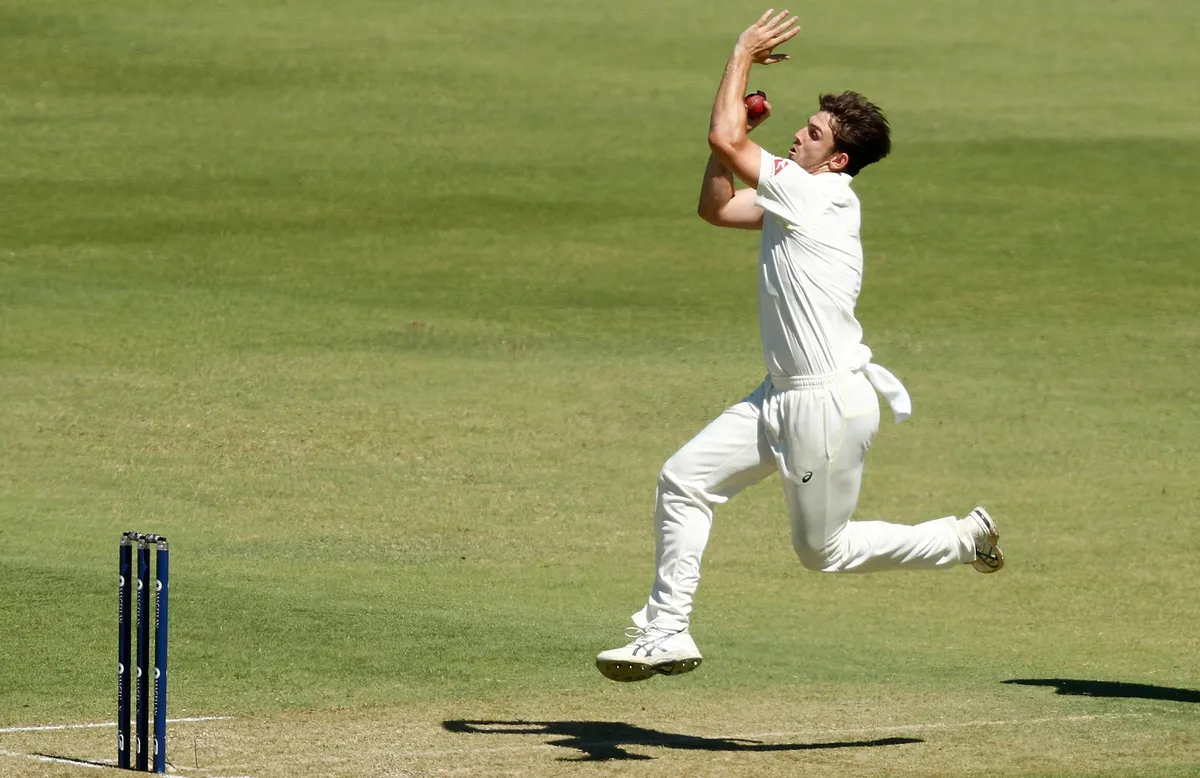
Cricket bowling splits into two broad categories: pace (fast and medium) and spin. Within these, bowlers use different grips, actions, and variations to deceive batters. A fast bowler relies on speed, seam, and swing. A spinner relies on revolutions and turn off the pitch. Both depend on line, length, and the ability to disguise variations. This guide covers every major bowling type, the grips used, and the variations that separate good bowlers from great ones.
The Two Main Bowling Categories
Category | Typical Speed | Primary Weapons |
|---|---|---|
Fast (express pace) | 140-160+ km/h | Speed, bounce, short ball |
Fast-medium | 130-140 km/h | Seam, swing, accuracy |
Medium pace | 110-130 km/h | Swing, line discipline, cutters |
Off spin | 80-95 km/h | Off-break, doosra, arm ball |
Leg spin | 75-90 km/h | Leg-break, googly, flipper |
Left-arm orthodox | 75-90 km/h | Spin away from right-handers |
Left-arm chinaman | 75-90 km/h | Leg-break from a left-hander |
Fast Bowling
Fast bowlers use speed and bounce as their primary weapons. A typical fast bowler:
Bowls 130-150+ km/h
Generates pace from a long run-up (15-25 metres)
Uses the seam to extract movement off the pitch
Aims to make the batter play even when the ball is short
The Bouncer
A short-pitched delivery aimed at chest or head height. Used to:
Force the batter to fend or duck
Set up the fuller ball that follows
Take wickets through pulls and hooks gone wrong
Bouncers are limited to 2 per over in limited-overs cricket. A bouncer above shoulder height is called a beamer if it does not bounce, and is a no ball.
The Yorker
The full-length delivery that lands at the batter's feet, ideally at the base of the stumps. Almost impossible to hit safely. The yorker is the death-bowling weapon in limited-overs cricket.
Swing Bowling
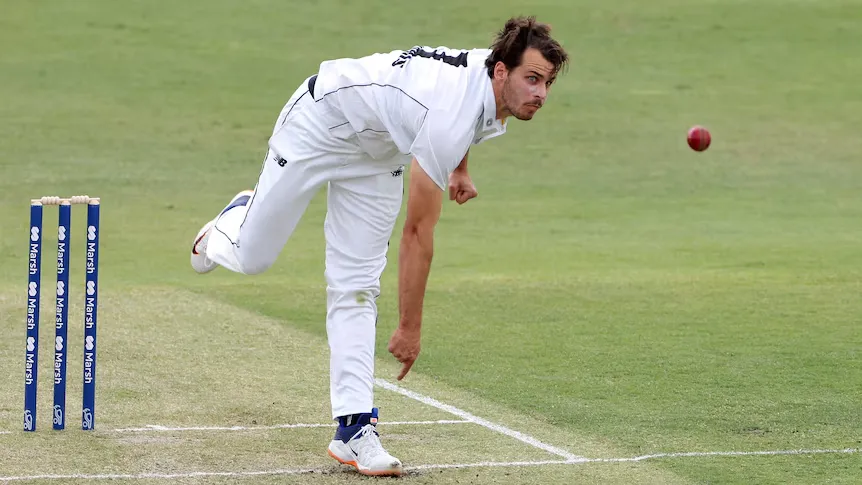
Swing is movement in the air, before the ball pitches. There are three types:
Conventional Swing
The ball moves in the air toward or away from the batter, based on the bowler's wrist position at release. Requires:
One shiny side of the cricket ball
One rougher side
The seam angled toward slip or fine leg
Outswing: moves away from the batter. Inswing: moves into the batter.
Reverse Swing
Happens with an older ball, usually after 40+ overs. The ball moves in the opposite direction to what the seam would suggest. Requires extreme contrast between the smooth and rough sides. Ball tampering rules are strict because tampering accelerates reverse swing.
Seam Movement
Movement off the pitch rather than in the air. The seam hits the pitch and the ball deviates either way. Different from swing because it depends on the pitch surface, not the air.
Medium and Fast-Medium Bowling
Medium pace and fast-medium bowlers do not rely on speed alone. They use:
Swing as a primary weapon
Line and length discipline to dry up runs
Variations like slower balls and cutters to deceive
The Cutter
A delivery where the bowler cuts the fingers across the seam at release, causing the ball to grip and turn off the pitch. Used as a variation by fast and medium bowlers to slow batters down.
The Slower Ball
A delivery bowled with the same action as a normal ball but at significantly reduced pace. Achieved by:
Holding the ball deeper in the fingers
Rolling the wrist over at release
Using a split-finger grip
The slower ball is a key death-overs weapon. T20 bowlers can bowl it at 20-30 km/h slower than their fastest delivery.
Spin Bowling
Spin bowlers rotate the ball in their fingers to make it turn off the pitch. The two main spin types:
Off Spin
Right-arm off spinners turn the ball from off to leg for a right-handed batter. The standard delivery is the off-break, gripped with the first two fingers spread along the seam.
Variations:
Arm ball: A ball that goes straight on with the arm action, no spin
Doosra: A delivery that turns the opposite way (from leg to off)
Top spinner: A ball that drops and bounces more sharply
Leg Spin
Right-arm leg spinners turn the ball from leg to off for a right-handed batter. The wrist position is what creates the spin, with the ball coming out of the back of the hand.
Variations:
Googly (wrong'un): A leg spinner's ball that turns the opposite way (from off to leg)
Top spinner: Bounces and skids on at the batter
Flipper: Bowled with backspin, skids low after pitching
Slider: Rolls out with little spin, hurries on to the batter
Left-Arm Spin
Left-arm orthodox (SLA): Same finger grip as off spin, but turns the ball away from a right-handed batter
Left-arm chinaman: A left-hander's leg spin, turning from off to leg for right-handed batters. Rare and difficult to bowl
The Importance of Line and Length
Speed and variations matter, but accuracy matters more. The two key concepts:
Line: Where the ball pitches relative to the stumps. Wicket-to-wicket, outside off, outside leg
Length: How far down the pitch the ball lands. Full toss, half-volley, good length, short, bouncer
The good length is the spot that makes the batter uncertain whether to play forward or back. Most wickets fall to deliveries pitched on a good length. Bowlers who consistently hit good length, even at slower speeds, take more wickets than fast bowlers who spray the ball.
From experience: The biggest lesson I learned as a young bowler was that pace is not everything. I focused on pace early at U16 level and was constantly hit because my line and length were inconsistent. Once I dropped my speed slightly and focused on hitting the same length over and over, my wicket count went up significantly. Pace gets you noticed. Accuracy gets you wickets. The best bowlers combine both.
Bowling by Format
Format | Bowling Priority |
|---|---|
Test | Build pressure with line/length, attack with new ball and reverse swing |
ODI | Take wickets in powerplays, restrict at death |
T20 | Variations every ball, yorkers and slower balls at death |
This is also why some bowlers excel in one format and struggle in another. The skills overlap but the priorities differ.
How Bowling Has Changed
Modern bowling has evolved significantly:
Pace has increased: 150 km/h is now common, not rare
Variations have multiplied: T20 has produced new variations like the knuckleball
Reverse swing is more controlled: Better understanding of ball maintenance
Spin in limited overs: Mystery spinners like Sunil Narine and Rashid Khan have changed how spin is used in white-ball cricket
Conclusion
Cricket bowling is fundamentally about deceiving the batter through pace, swing, seam, or spin. Whether you bowl 150 km/h or 80 km/h, the same principles apply: hit the right length, control the line, and add variations to keep batters guessing. The bowler's job is to take wickets and contain runs, the balance between these changes by format and match situation. To see how bowling fits into the wider rule framework, our guide on LBW rules covers a key dismissal mode for bowlers, and the ball tampering guide explains why ball maintenance is so closely watched.
FAQs
What are the main types of bowling in cricket?
Two categories: pace bowling (fast, fast-medium, medium) and spin bowling (off spin, leg spin, left-arm orthodox, chinaman).
What is the difference between swing and seam bowling?
Swing is movement in the air before the ball pitches. Seam is movement off the pitch after it lands.
What is a yorker in cricket?
A full-length delivery that lands at the batter's feet, ideally at the base of the stumps. Almost impossible to hit safely and is a key death-overs weapon.
What is the difference between off spin and leg spin?
Off spin turns the ball from off to leg for a right-hander (finger spin). Leg spin turns the ball from leg to off (wrist spin). Wrist spinners can turn the ball more but are harder to control.