These cricket training drills are built for beginners and kids, no expensive gear required. Every drill below can be done with a bat, a ball, and a bit of open space, so it is completely free to get started.
They are grouped by skill, batting, bowling, and fielding, so a new player or a young cricketer can work through them in order and build confidence at each stage.
Batting Drills for Beginners:
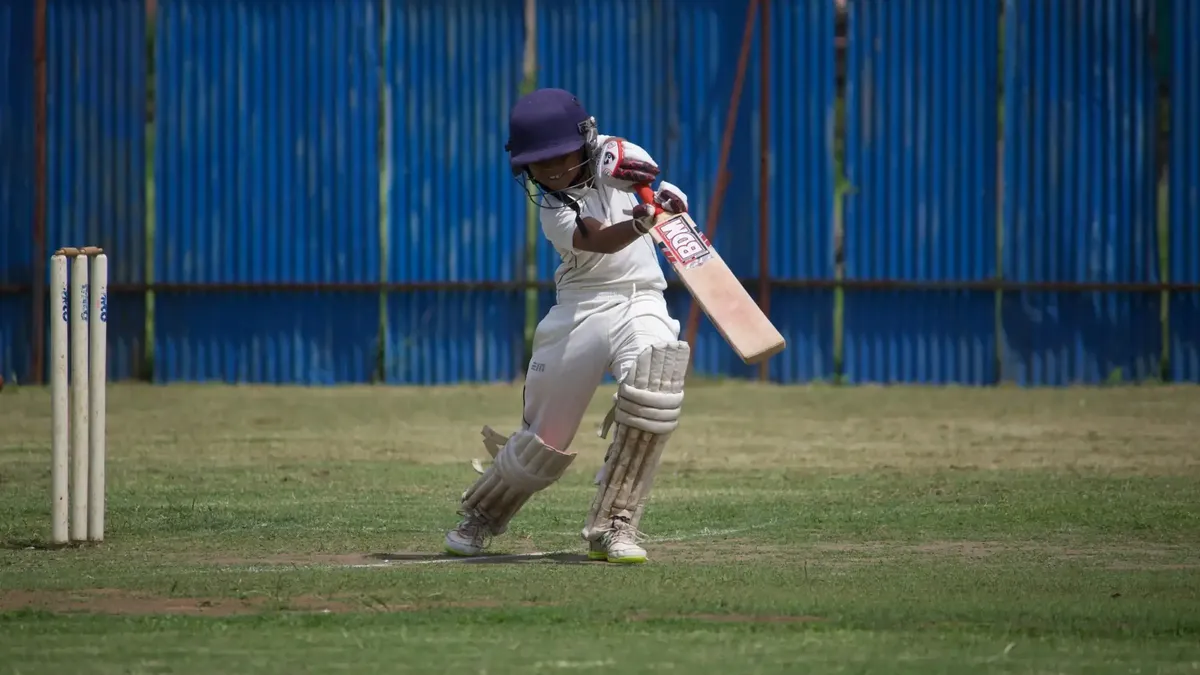
Shadow Batting comes first, and it needs no ball at all. The player practices their stance, backlift, and swing in front of a mirror or a friend, focusing purely on getting the technique right before facing a real delivery.
Underarm Throwdowns follow next. A coach or parent gently underarm-throws the ball from a short distance, letting the beginner get used to timing bat on ball without the pressure of real bowling pace.
Running Between the Wickets is often skipped, but it matters just as much as hitting the ball. Two players practice calling "yes," "no," and "wait" while running between two marked points, building the communication that prevents run outs.
Bowling Drills for Beginners:
Target Bowling teaches accuracy from day one. Place a single stump or a cone on a good length and have the beginner aim at it repeatedly, building the muscle memory for a consistent line and length.
Run-Up Rhythm is done without a ball. The young bowler simply repeats their run-up and delivery stride over and over, smoothing out the action before adding the pressure of releasing a ball.
Wall Bowling works well indoors or in a garden. Chalk a target zone on a wall and bowl at it from a short run-up, which sharpens accuracy without needing a full pitch or a batter at the other end.
Fielding and Catching Drills for Kids:
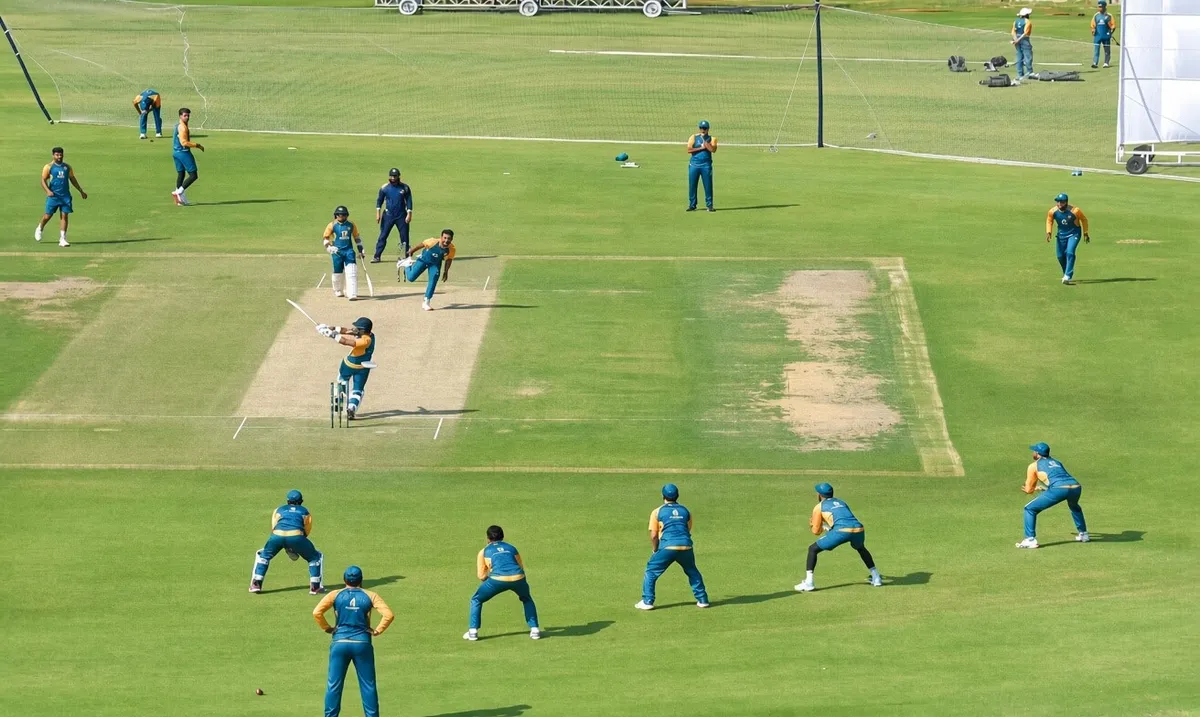
Two-Hand Catching is the true starting point. Two players stand a few metres apart and throw a soft ball back and forth, keeping both hands together to build safe, reliable catching habits.
Ground Fielding Scoops teach a young fielder to get low. A partner rolls the ball along the ground, and the fielder practices getting down early with both hands rather than stabbing at it late.
Relay Throwing builds arm accuracy. Set up two small targets, like cones, and have players throw the ball back and forth between them, rewarding a clean, accurate throw over a wild, powerful one.
How to Structure a Simple Training Session:
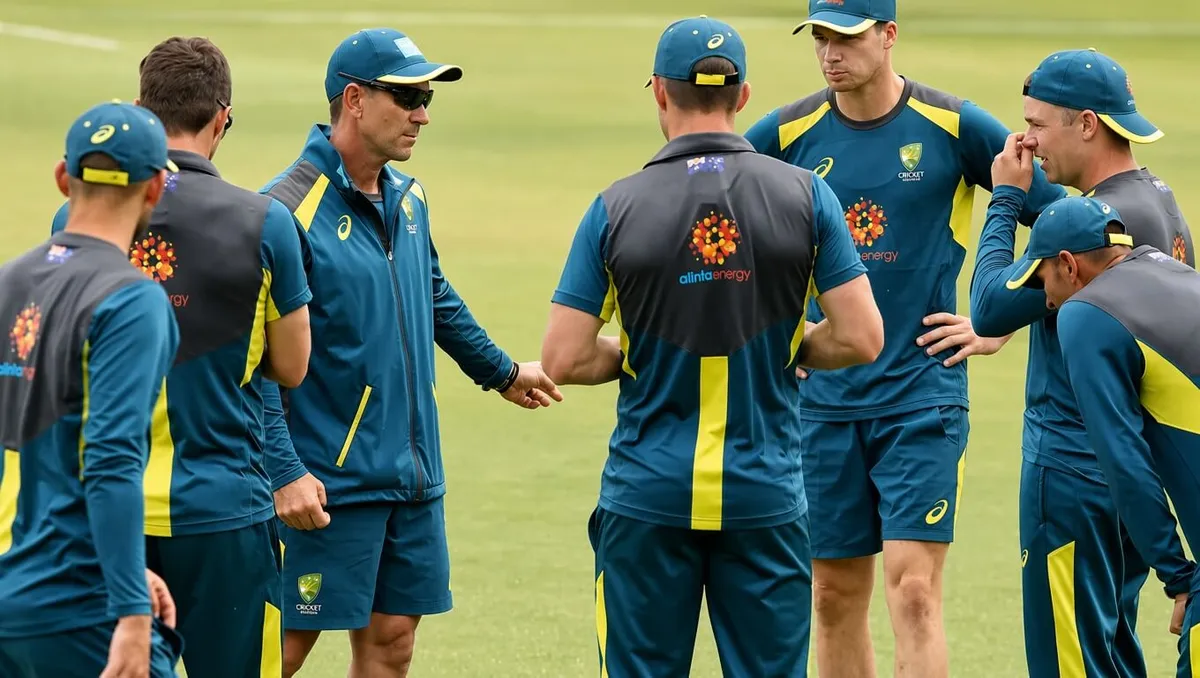
A short, focused session beats a long, unstructured one, especially for beginners and kids.
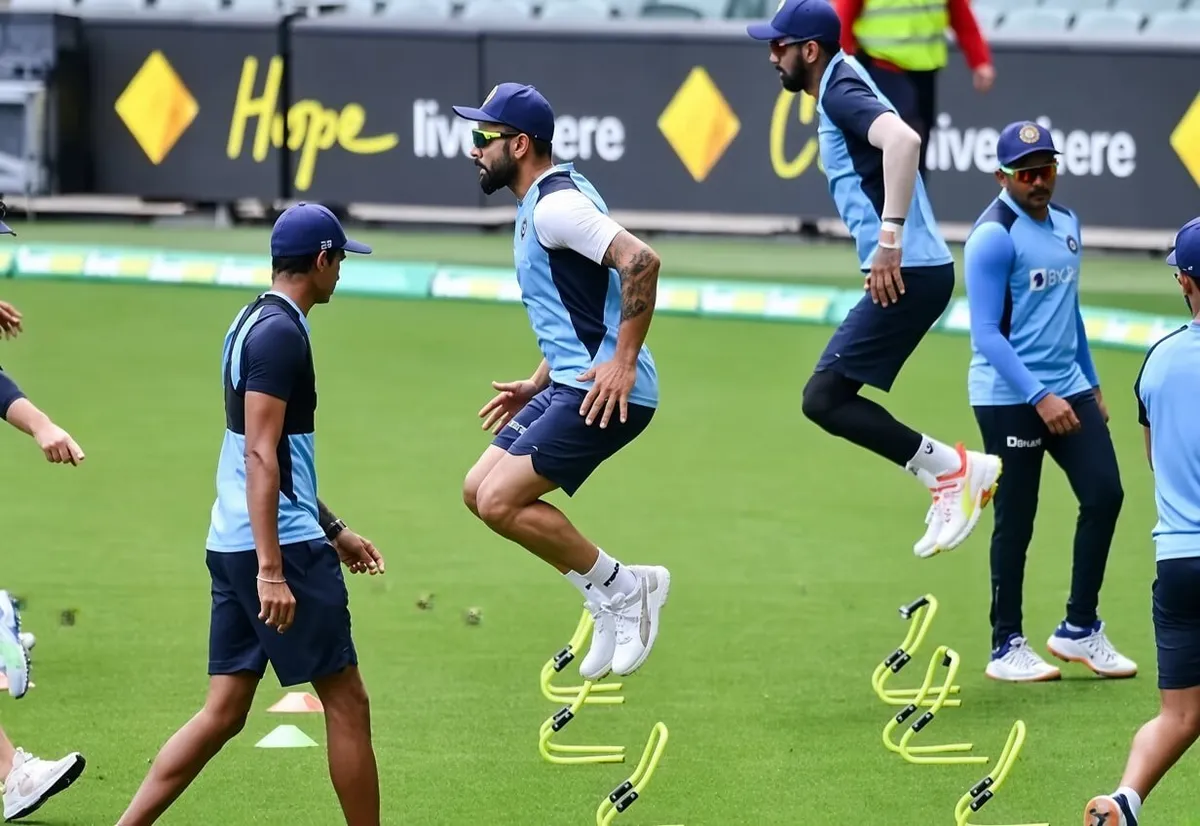
A simple 45-minute plan works well: a 10-minute warm-up, 20 minutes split across two or three drills above, and a final 15 minutes playing a small, fun game that uses those same skills.
Keeping sessions short holds, a young player's attention and leaves them wanting to come back for more, which matters more than cramming in every drill at once.
Conclusion:
None of these cricket training drills need a coach, a club, or expensive kit, just a ball, a bit of space, and a willingness to repeat the basics. Start simple, keep sessions short, and the fundamentals will follow naturally.
(FAQs):
Q1: What are the best cricket drills for complete beginners?
A: Start with shadow batting, underarm throwdowns, and two-hand catching. These build core technique without the pressure of facing real pace or a full field.
Q2: How do I start training a child in cricket?
A: Begin with short, simple drills using a soft ball, keep sessions under an hour, and mix in a small game at the end so it stays fun rather than repetitive.
Q3: Do these drills need expensive equipment?
A: No. A bat, a soft ball, and a few cones or markers are enough for every drill here. None of it requires a net, a bowling machine, or paid coaching.
Q4: How often should a beginner practice these drills?
A: Two to three short sessions a week is plenty for a beginner. Consistency across shorter sessions builds skill faster than one long, tiring session.