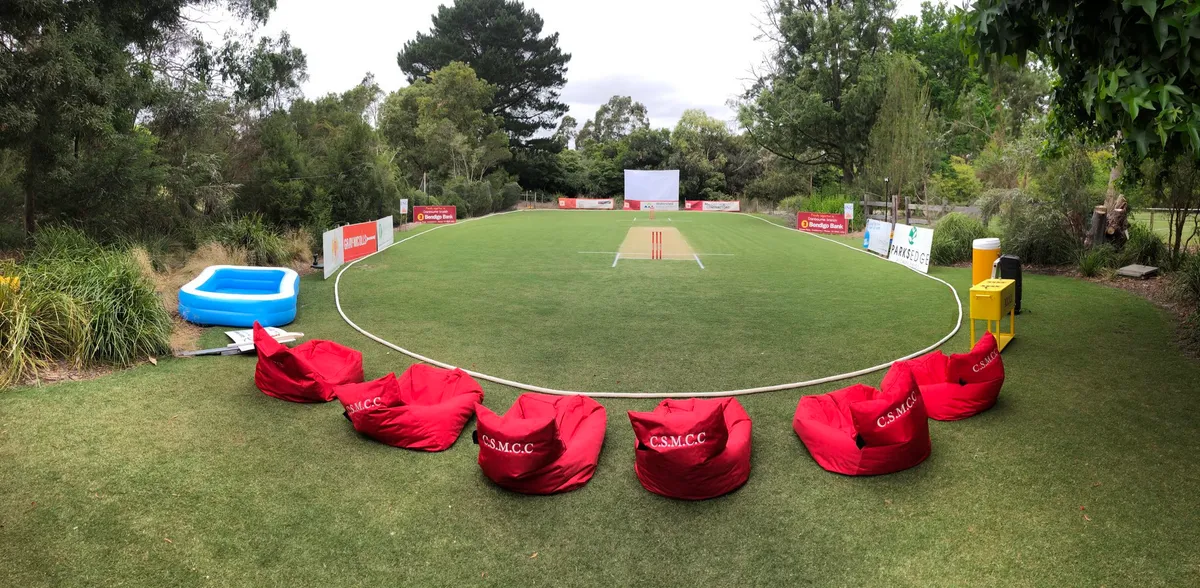
Backyard cricket is how most cricketers first fall in love with the sport. No umpires, no scorebook, no dress code. Just a bat, a ball, some improvised wickets, and whatever rules your family has invented over the years. Every backyard has its own traditions, but there are common rules and setups that make the game fun, fair, and safe for kids of all ages. Here is how to set it up and the classic rules every family should know.
What You Need to Play Backyard Cricket
You do not need full cricket gear. A basic backyard game requires:
A bat: Any size, from a proper junior cricket bat to a tennis racket in a pinch
A ball: Tennis ball is the family favourite. Safer than a leather ball and cheap to replace
Stumps or a substitute: A real set of stumps, a bin, a chair, or a chalk mark on a wall
Boundary markers: Usually the fence, hedge, or specific trees decided before play
Open space: A lawn, driveway, beach, park, or even a hallway
Classic Backyard Cricket Rules
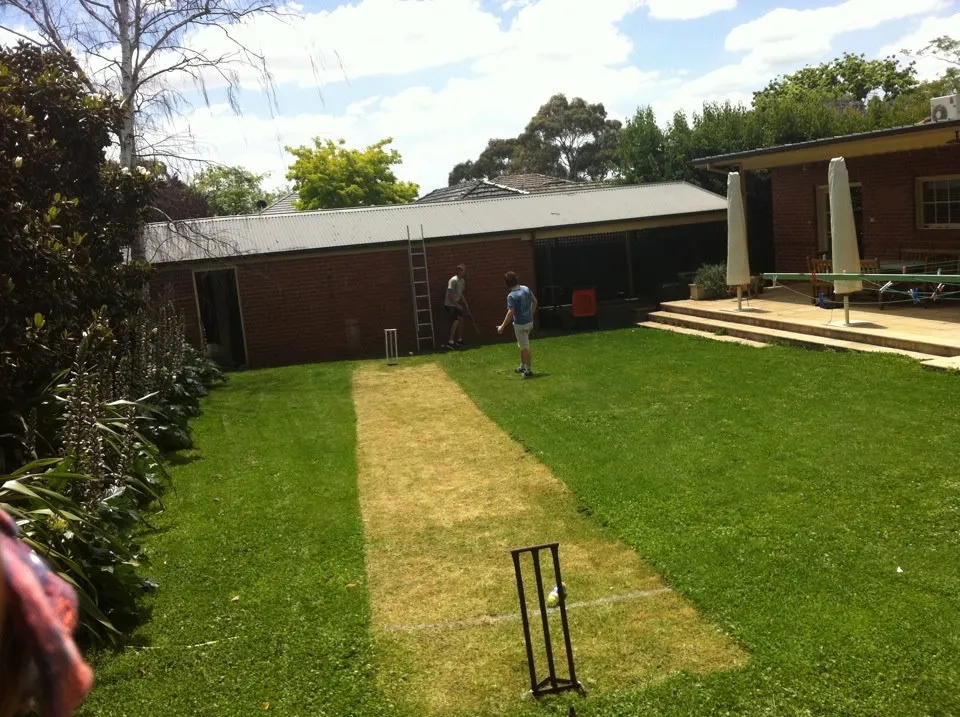
Every family modifies these, but the core rules are:
1. One Hand, One Bounce
The most famous backyard rule. If you catch the ball with one hand after one bounce, the batter is out. This keeps fielders actively trying to catch and gives bowlers an extra dismissal option.
2. Over the Fence is Out
If the batter hits the ball over the fence, into a pool, or onto the roof, they are out. This stops the game turning into a slogfest and saves broken windows. Alternatively, some families make it six and out, six being automatic and then dismissal.
3. Tip and Run
Once the ball touches the bat, the batter must run. No leaving deliveries. This speeds up the game and creates plenty of run-outs.
4. Dad Rule / Auto Wicketkeeper
If there are not enough fielders, nominate a wall, bin, or older sibling as auto-wicketkeeper. Any ball that hits them is caught.
5. Last Batter Stands Alone
When only one batter is left, they can bat with no runner by hitting the ball and then running to either end. They are out if caught, bowled, or run out normally.
6. Electric Wicket Keeper
A ball that hits the wall or fence behind the batter on the full is automatically out (no wicket keeper needed). This tests defensive technique.
From experience: My earliest cricket memories are playing tape-ball and backyard cricket with cousins in Pakistan. We had our own rule: if you hit the ball onto the neighbour's roof, you had to fetch it yourself. That rule taught better shot selection than any coach ever could. Every family invents something similar, and these are often the rules kids remember decades later.
Setting Up the Pitch
A proper backyard pitch is shorter than a real cricket pitch. You do not need the full 22 yards. Here is a good guide by age:
Age Group | Pitch Length | Notes |
|---|---|---|
Under 7 | 8-10 metres | Short enough for kids to reach with tennis ball |
8-12 years | 12-14 metres | Builds proper bowling action and pacing |
Teens / adults | 16-20 metres | Close to real pitch, keeps game competitive |
Mark the batting crease with a line of tape, a hose, or a scuff in the grass. Set stumps at both ends if you can, or improvise with bins and chairs.
Safety Tips for Backyard Cricket
Backyard cricket is safer than club cricket, but a few precautions matter:
Use a tennis ball or soft cricket ball with kids under 10. Never a proper leather ball without helmets
Play in an open area away from windows and glass
Keep very young kids off the field when bigger kids bat. The ball travels faster than you expect
Watch for pets. Dogs love cricket but can trip players
No full-pace bowling from adults to young kids. Keep it fun, not bruising
Variations Every Family Invents
Backyard cricket is built on homemade rules. Common ones:
No LBW: Too hard to judge without umpires. Most families ditch it
Rule by the umpire: Whoever is batting next sometimes judges close decisions, and their decision is final
Pool Rule: Hit in the pool means you retrieve the ball plus give up your innings
Garden Bed Boundary: Ball into the flowers means out plus lost ball
Reverse Rules for Parents: Adults can only bat one-handed to even the contest with kids
Why Backyard Cricket Matters
Nearly every professional cricketer grew up playing some form of backyard cricket. It teaches:
Natural hand-eye coordination without coaching pressure
Shot selection when the penalty for a bad shot is losing the ball
Creativity, because improvised conditions force improvised shots
Love for the game, which is the single biggest factor in whether a kid sticks with cricket long-term
If your child enjoys backyard cricket, they are already on the path. Our guide on how to get your child into cricket covers how to take the next step from backyard fun to club cricket.
Credit: Backyard Cricket UK
Conclusion
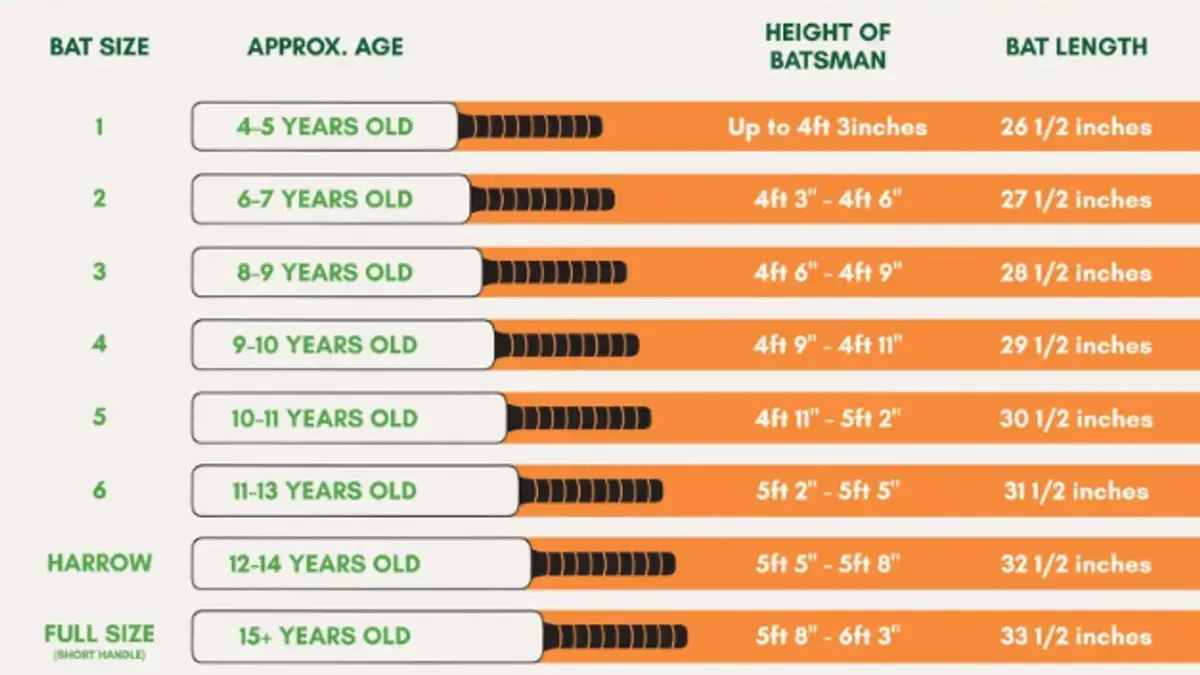
Backyard cricket does not need fancy rules or expensive gear. A tennis ball, any bat, some open space, and your family's own set of traditions are enough. Start with the classic rules like one hand one bounce and over the fence is out, adjust pitch length for age, and let kids invent their own variations. Once they want to play with a proper leather ball, make sure to check their bat size and read up on cricket safety rules for the right protective gear.
FAQs
What are the basic rules of backyard cricket?
Most families use one hand one bounce (catch with one hand after one bounce means out), over the fence is out, and tip and run. Everything else is family tradition.
What ball should you use for backyard cricket?
A tennis ball for families with young kids. Safer, cheaper, and easier to catch. Tape-ball (tennis ball wrapped in tape) adds weight if older kids want more challenge.
How long should a backyard cricket pitch be?
8-10 metres for under 7s, 12-14 metres for kids 8-12, and 16-20 metres for teens and adults. You do not need the full 22 yards.
Is backyard cricket good practice for real cricket?
Yes. It builds hand-eye coordination, shot selection, and love for the game. Most professional cricketers started in backyard or street cricket.