Choosing the right cricket batting pads comes down to three things: fit, weight, and protection level. Pads that are too long restrict running. Pads that are too heavy slow down footwork. Pads with weak protection hurt when you face fast bowling. The good news is junior, club, and professional pads cover the same areas in similar ways, the differences are in foam density, materials, and finish. Here is how to pick the right pads for your level.
Cricket Batting Pad Sizes
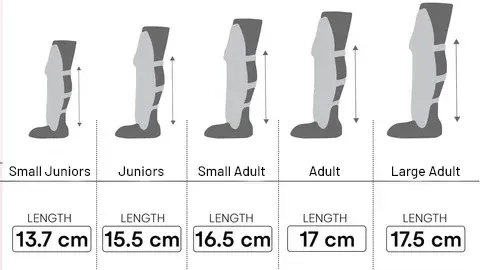
Pads come in standard sizes that match player height. The size chart is similar to cricket bat sizes but uses different labels:
Pad Size | Player Height | Typical Age |
|---|---|---|
Small Junior | Under 4'6" | 5-8 years |
Junior | 4'6" to 4'11" | 8-10 years |
Youth | 4'11" to 5'4" | 10-12 years |
Boys | 5'4" to 5'8" | 12-14 years |
Mens (most common) | 5'8" to 6'1" | 14+ / Adult |
Mens LH (Long) | 6'1" and above | Tall adults |
For young players, follow the same sizing logic as junior bat sizes, match the pad to current height, not future growth.
How to Check Pad Fit?
Once you have the right size, fit matters more than brand or price. Here is what to check:
Top of pad: Should sit just above the kneecap, not halfway up the thigh
Bottom of pad: Should reach the top of the foot when wearing batting shoes
Knee roll: The bend should align exactly with your knee joint, not above or below
Side wing: Should curve around the inside of your front leg without gaping
Straps: All three should fasten comfortably. If straps are at maximum length and still loose, the pad is too big
Try the pads on with batting gloves and shoes. Walk a few steps, take guard, play a forward defensive shot. If the pad shifts, slips, or restricts movement, it is the wrong fit.
From experience: The first pair of proper club pads I bought were a size too large. I thought they would last longer if I bought big. Within two innings, the pads had slid down my shins, the knee roll sat halfway up my thigh, and the side wing kept catching on my bat during defensive shots. I had to buy new pads after one season. Right size first, no exceptions.
Pad Weight: The Trade-Off
Modern pads range from under 1kg per pair (lightweight) to over 1.5kg (traditional). Lighter is not always better:
Lightweight pads (under 1kg): Faster running between wickets, less leg fatigue, better for limited-overs cricket. Use thinner foam, slightly less impact protection
Mid-weight pads (1-1.3kg): Best all-round option. Good protection without restricting movement. Suit most club cricket
Traditional heavy pads (1.5kg+): Maximum protection, mostly used by Test players facing pace. Slower to run in
For club cricket and most recreational play, mid-weight pads are the sweet spot. Save the heavy pads for facing 140+ km/h pace bowling.
Protection Levels by Material
Pad protection comes from layered foam construction. The materials matter:
Foam Type | Protection | Weight | Used In |
|---|---|---|---|
EVA foam | Good | Light | Junior and entry-level pads |
HDF (high-density foam) | Excellent | Medium | Club and pro pads |
PE (polyethylene) | Excellent | Medium-heavy | Pro pads, traditional construction |
Cane reinforcement | Maximum | Heavy | Premium pads facing high pace |
Look for pads with multiple foam layers rather than a single thick layer. Layered foam absorbs impact in stages, reducing the force that reaches your shin.
Cover Materials: PVC vs Leather
PVC (synthetic): Lighter, cheaper, easier to clean, fades faster in sun. Used in 90% of modern pads
Leather: Premium feel, traditional appearance, more durable in long use. Mainly found in high-end pro pads
Mesh inserts: Most pads now have mesh on the back for ventilation. Worth having for hot conditions
Strap Types: Velcro vs Buckle
Modern pads use velcro straps almost exclusively because they are faster, lighter, and easier to adjust. Older traditional pads used leather buckles, which are more durable but slower to put on. Some premium pads still use buckles for a classic look.
For practical use, velcro is the better choice. Just make sure the straps are thick and well-stitched. Cheap velcro tears within a season.
Wicket Keeping Pads vs Batting Pads
Wicket keeping pads are different from batting pads in three ways:
Lighter: Keepers squat for hours, so weight matters more
Less knee protection: Keepers do not face the bat, so the knee roll is softer and lower-profile
More flexible: Designed to allow deep squats without restriction
Never use batting pads for keeping or vice versa. The protection profile is wrong for the role.
How Long Pads Last?
With normal use, expect:
Junior pads: 1 season (kids outgrow them anyway)
Club-level mid-weight pads: 2-3 seasons
Premium pads: 4-5 seasons with proper care
Signs you need new pads: foam compresses and feels soft to the touch, straps lose grip, knee roll cracks, side wing tears at the seams.
Conclusion
The right batting pads protect your shins, fit comfortably, and let you run between wickets without slowing down. Match the size to your height, choose mid-weight pads for most club cricket, and pick layered HDF or PE foam for proper protection. Once you have the pads sorted, you also need correctly sized batting gloves, which we cover in our glove sizing guide. New gloves often need breaking in before they feel right, so check our guide on how to break in batting gloves after you buy. For full safety information including helmet and neck guard rules, see our cricket safety rules guide.
Credit: Serious Cricket
FAQs
What size cricket pads do most adults wear?
Mens (Adult Standard) fits players from 5'8" to 6'1". This is the most common size. Tall players (6'1"+) need Mens LH (Long).
How heavy should batting pads be?
1 to 1.3kg per pair is the sweet spot for most club cricket. Lighter for limited-overs, heavier only when facing high pace.
Can I use batting pads for wicket keeping?
No. Keeping pads are lighter, more flexible, and have a different protection profile. Wrong pads slow your keeping and offer no real benefit.
How long do cricket batting pads last?
Club-grade pads last 2-3 seasons with normal use. Premium pads can last 4-5 seasons with proper care and storage.