Cricket safety rules exist because a leather ball travelling at 140+ km/h can cause serious injury or worse. Since the tragic death of Phillip Hughes in 2014, safety regulations have tightened dramatically. Helmets are now mandatory for all batters facing pace bowling in most competitions worldwide. But the exact rules vary by level, international, domestic, club, and junior cricket all have different requirements. Here is exactly what protection is required, who enforces it, and what happens if you do not comply.
Mandatory Protection by Level
Equipment | International | Domestic / First-Class | Club / League | Junior (U18) |
|---|---|---|---|---|
Helmet (batting) | Mandatory | Mandatory | Mandatory (most leagues) | Mandatory |
Helmet (close fielding) | Mandatory (within 7m) | Mandatory | Recommended | Mandatory |
Neck guard / stem guard | Mandatory (ICC, since 2024) | Varies by board | Recommended | Mandatory (many boards) |
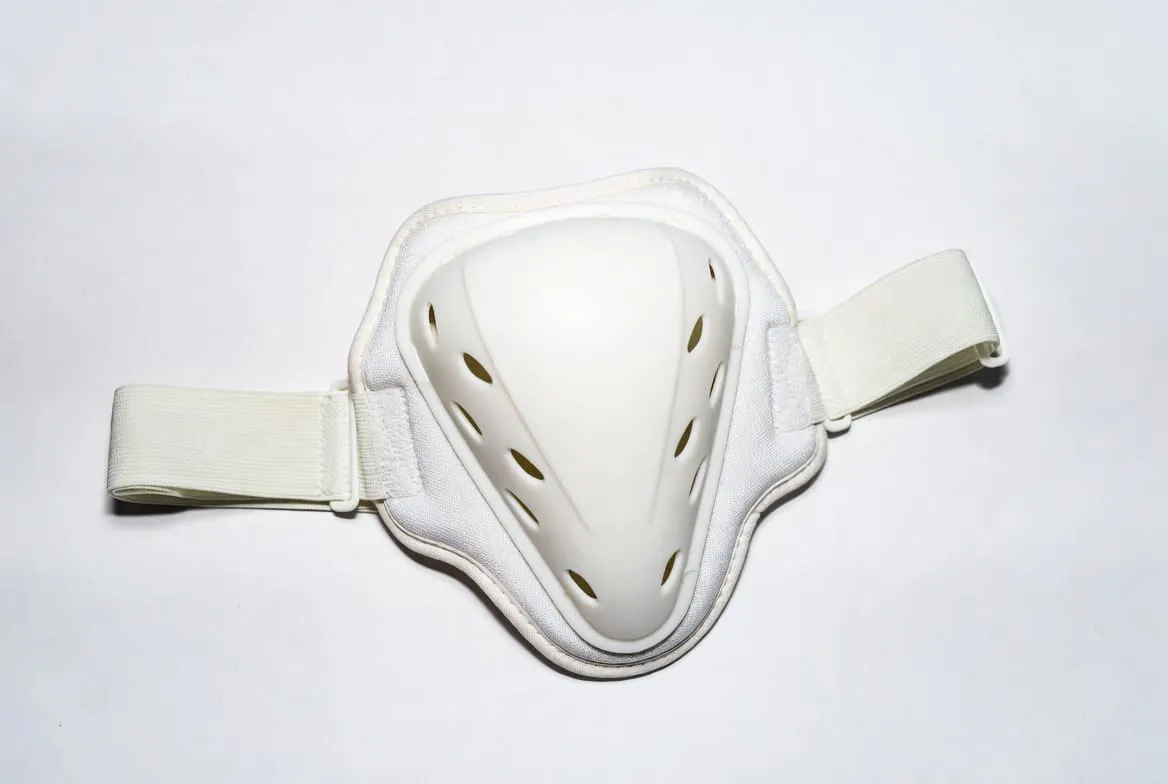
Abdominal guard (box) | Required | Required | Strongly recommended | Mandatory |
Batting pads | Required | Required | Required | Required |
Batting gloves | Required | Required | Required | Required |
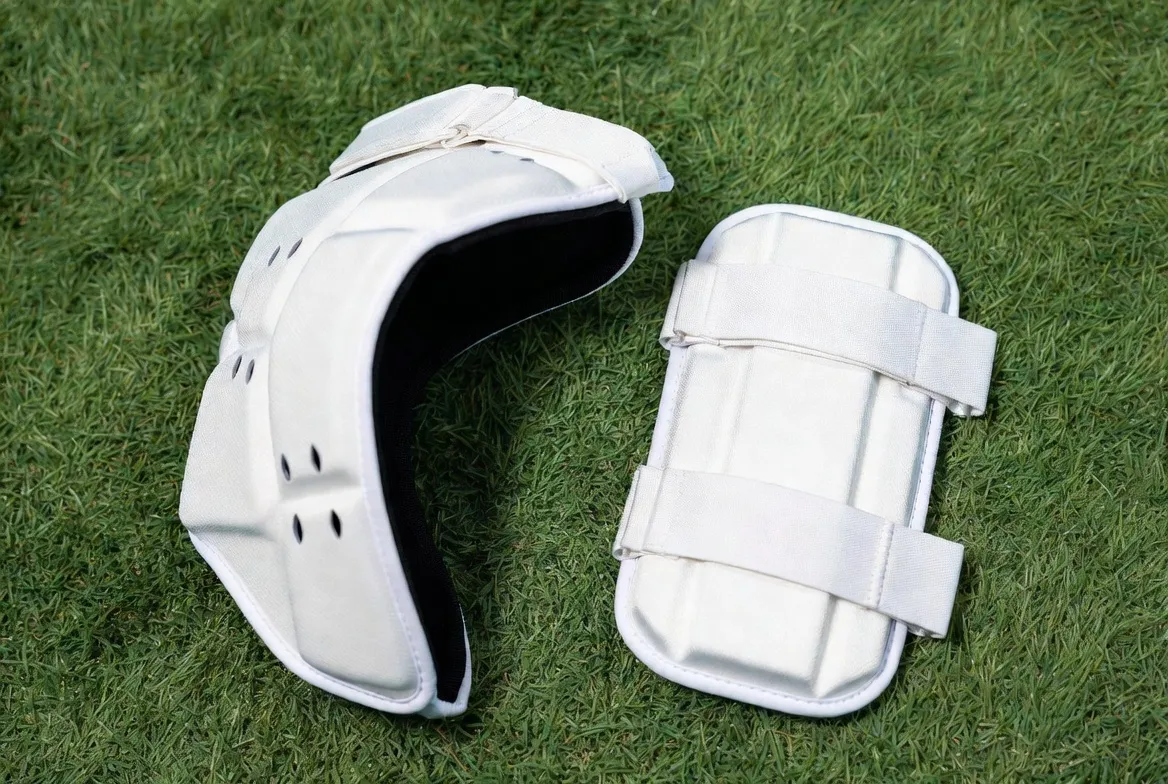
Thigh pad | Recommended | Recommended | Optional | Recommended |
Arm guard | Optional | Optional | Optional | Recommended |
Chest guard | Optional | Optional | Optional | Recommended |
Helmet Rules: The Most Important Regulation
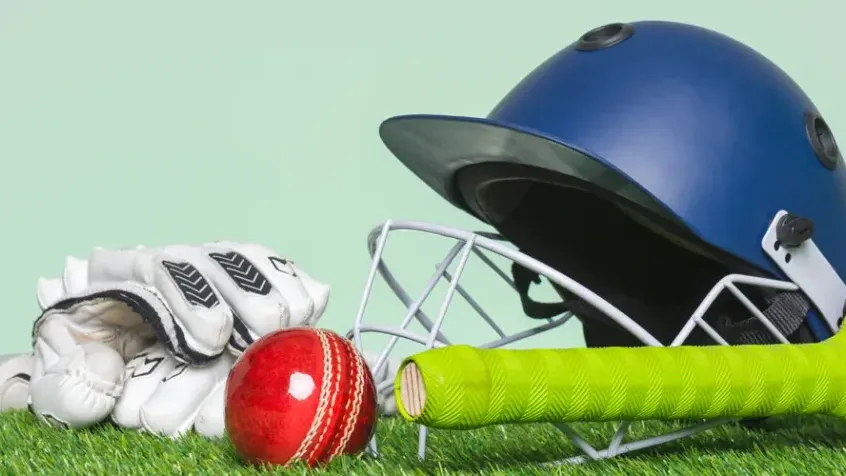
Since 2016, the ICC requires all helmets used in international cricket to meet the BS 7928:2013 British Safety Standard. This standard ensures helmets can withstand a ball impact at speeds up to 100+ mph and that the gap between the peak and the grille is narrow enough to prevent the ball from striking the face.
Key helmet rules:
Batters must wear a helmet when facing pace bowling at any level above social cricket
Close fielders within 7 metres of the bat (slip, short leg, silly point) must wear a helmet
Wicket keepers standing up to the stumps should wear a helmet (required at junior level)
Helmets must have the manufacturer's compliance stamp showing they meet BS 7928 or equivalent
A helmet that does not meet the safety standard can be rejected by the umpire. The batter will not be allowed to face bowling until they get a compliant helmet. For proper sizing and selection, see our helmet fitting guide.
Junior Cricket: Stricter Rules
Junior cricket has the strictest safety requirements because young players are still developing physically and their reaction times are slower. Most national boards require:
All juniors (U18) must wear helmets when batting, wicket keeping, and fielding close to the bat
Abdominal guards are mandatory for all junior players
Bowling speed restrictions, many junior leagues limit the pace at which bowlers can deliver, particularly for U12 and under
Neck guards are increasingly mandatory, Cricket Australia and the ECB now require them for all junior cricket
Parents should check with their specific league, as rules vary by country and age group. The trend is toward more protection, not less.
What Happens If You Do Not Wear Required Gear?
At the international and domestic level, umpires can stop play and refuse to let a batter face bowling until they have proper equipment. At club level, enforcement depends on the league, but most insurers now void liability cover if a player is injured while not wearing mandatory protection.
This is important: if your club league requires helmets and you bat without one and get hit, your league's insurance may not cover you. Always check your competition's regulations.
From experience: At district level, I have seen players walk out to bat without a helmet in warm-up matches, thinking it does not matter because it is not a "real" game. One bouncer to the temple changed that attitude instantly. It does not take a 150 km/h delivery to cause damage - even medium pace on a bouncy pitch is enough. I learned early: helmet on from ball one, no exceptions.
How Safety Standards Have Changed?
Year | Change | Triggered By |
|---|---|---|
2014 | Renewed focus on helmet safety | |
2016 | ICC mandates BS 7928 helmet standard | Safety review post-Hughes |
2019 | Neck guards introduced by major boards | Ongoing bouncer injuries |
2022 | Saliva ban (COVID-related, now permanent) | Hygiene and player health |
2024 | ICC mandates neck guards for international cricket | Continued push for player safety |
Conclusion
Cricket safety rules are not suggestions - they are there because the sport has learned from tragedy. A correctly fitted helmet with a neck guard is the minimum for anyone facing a leather ball. Junior players have even stricter requirements, and clubs should enforce them without exception. If you are unsure what your league mandates, ask your captain or league administrator before the season starts - it is better to over-protect than to learn the hard way.
FAQs
Is a helmet mandatory in cricket?
Yes, for batters facing pace bowling in virtually all organised cricket worldwide. Also mandatory for close fielders within 7 metres of the bat.
Are neck guards mandatory?
At international level, yes (since 2024). At domestic and club level, rules vary by board - check your local competition regulations.
Can an umpire stop play if a batter has no helmet?
Yes. The umpire can refuse to let the batter face bowling until they have compliant protective equipment.
What safety standard should cricket helmets meet?
BS 7928:2013 (British Safety Standard). Check for the compliance stamp on the helmet before purchasing.