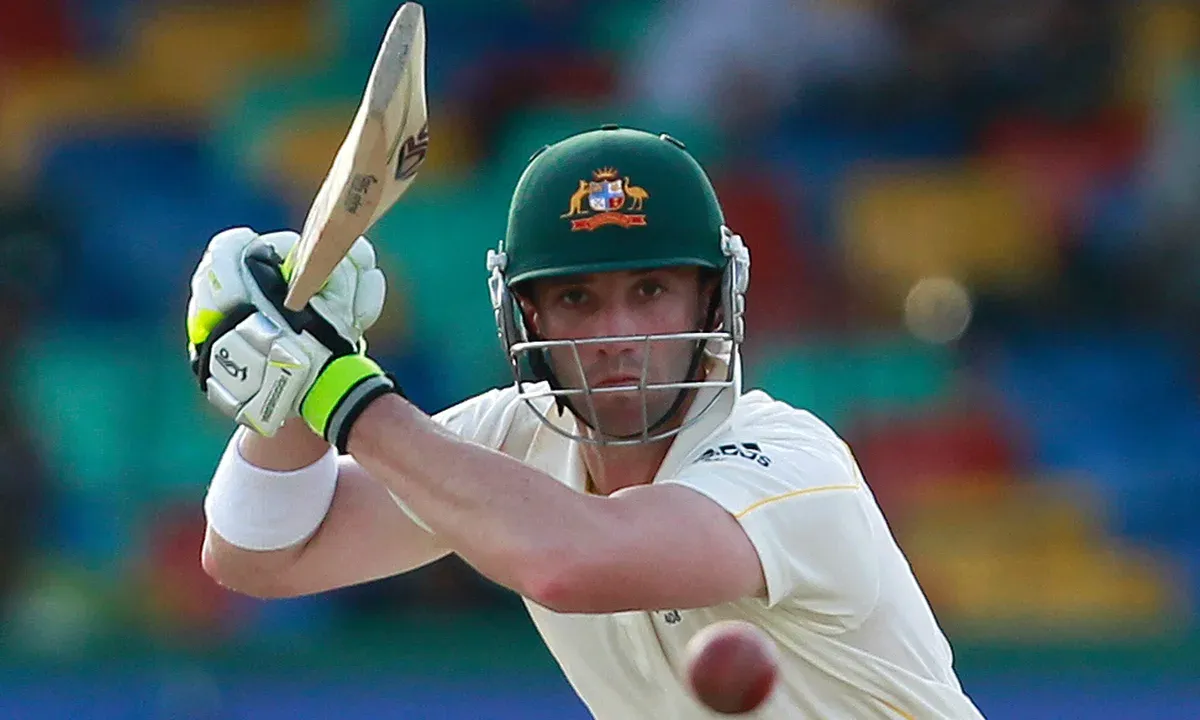
A cricket helmet neck guard (also called a stem guard) is a protective attachment that covers the back and sides of the neck below the helmet. It was invented after the death of Phillip Hughes in 2014, who was fatally struck in the unprotected gap between his helmet and collar. Neck guards are now mandatory in international cricket (since 2024) and increasingly required at domestic and junior levels. Here is how they work, which types exist, and how to choose one that fits your helmet.
How Neck Guards Work?
A neck guard attaches to the back of a cricket helmet using clips or a built-in mounting system. It hangs down to cover the vertebral arteries, base of skull, and upper neck - the exact area that was exposed in older helmet designs.
Most neck guards use high-density foam or honeycomb polymer that is flexible enough to move with the batter's head but rigid enough to absorb and distribute the force of a ball impact. The goal is to prevent the ball from directly striking the neck at full velocity.
Types of Neck Guards
Type | Design | Pros | Cons |
|---|---|---|---|
Clip-on (aftermarket) | Attaches to existing helmet via clips/velcro | Works with most helmets, replaceable | Can shift if poorly fitted |
Integrated (built-in) | Factory-fitted as part of the helmet | Seamless fit, no shifting | Must buy the specific helmet model |
Rigid shell | Hard plastic outer, foam inner | Maximum protection | Heavier, less comfortable in heat |
Flexible foam | Foam-only construction | Lightweight, more comfortable | Slightly less impact protection |
Which Neck Guard Fits Your Helmet?
Not all neck guards are universal. Compatibility depends on your helmet brand and model:
Masuri: Makes both integrated helmets (Vision Series with built-in StemGuard) and clip-on guards that fit most Masuri models
Shrey: Offers helmets with pre-fitted neck guards and aftermarket clip-ons for older models
Gray-Nicolls: Most recent models have integrated neck protection or compatible clip-on options
Ayrtek: Specialises in high-end helmets with integrated neck guard systems
Before buying, check compatibility with your specific helmet model. An aftermarket guard that does not clip securely is worse than useless - it can shift during play and create a false sense of protection. For help choosing the right helmet in the first place, read our helmet fitting guide.
Are Neck Guards Mandatory?
The rules vary by level:
International cricket: Mandatory since 2024 (ICC ruling)
Domestic / first-class: Required by most major cricket boards (ECB, CA, BCCI). Some boards allow exemptions with written consent
Club / league: Varies - check your specific competition's safety rules. Increasingly required
Junior cricket (U18): Mandatory in most countries. Cricket Australia and ECB require them at all junior levels
Even where not yet mandatory, neck guards are strongly recommended. The protection they offer costs under $30 for a clip-on and weighs virtually nothing. There is no performance reason to skip one.
Do Neck Guards Affect Batting?
This is the most common objection. Some batters feel the guard restricts head movement, particularly when looking over the shoulder at the bowler's delivery stride. Here is the reality:
Initial discomfort: Yes, the first few sessions feel different. The guard touches the collar and you are aware of it
After 2-3 nets sessions: Most batters stop noticing it entirely
Head movement: Modern flexible foam guards allow full range of motion. Only rigid shell guards on poorly fitted helmets cause restriction
Heat: The guard adds a small amount of warmth around the neck. In hot conditions, foam guards are more comfortable than rigid ones
From experience: When neck guards first came into club cricket, half the team complained about comfort. I was one of them - the first clip-on guard I tried kept shifting sideways and it was distracting. I switched to a helmet with an integrated guard, and within two net sessions I forgot it was there. Now I would never bat without one. The discomfort of a piece of foam on your neck is nothing compared to what it protects against.
How to Fit a Neck Guard?
Put on your helmet first and adjust it to the correct fit (see our fitting guide)
Attach the neck guard using the clips or velcro provided. It should sit snug against the back of the helmet shell
Check coverage: The guard should cover the base of the skull and the sides of the neck down to the collar line
Test movement: Look left, right, up, and down. The guard should move with your head, not restrict it
Check for gaps: There should be no significant gap between the helmet shell and the top of the guard where a ball could fit through
Shake test: Shake your head vigorously. The guard should not shift, rattle, or come loose
Conclusion
Neck guards exist because cricket lost a player to an injury that better equipment could have prevented. They are now mandatory at the highest level and spreading to every tier of the game. Whether you use a clip-on or integrated guard, the key is proper fit and compatibility with your helmet. Combined with a correctly fitted helmet that meets the BS 7928 standard, a neck guard closes the last major safety gap in cricket batting equipment. Check your league's safety rules to see if they are already required at your level, and wear one regardless.
FAQs
Do I need a neck guard for club cricket?
Check your league's rules, it is increasingly mandatory. Even if not required, it is strongly recommended. A clip-on guard costs under $30.
Can I add a neck guard to any helmet?
Not always. Check compatibility with your specific helmet brand and model. Aftermarket clip-ons fit most modern helmets, but older models may not have mounting points.
Do professional cricketers wear neck guards?
Yes, mandatory in international cricket since 2024. Most professional players now wear integrated helmets with built-in neck protection.
Does a neck guard affect batting performance?
Minimal impact. After 2-3 net sessions, most batters stop noticing it. Modern flexible foam guards allow full head movement.