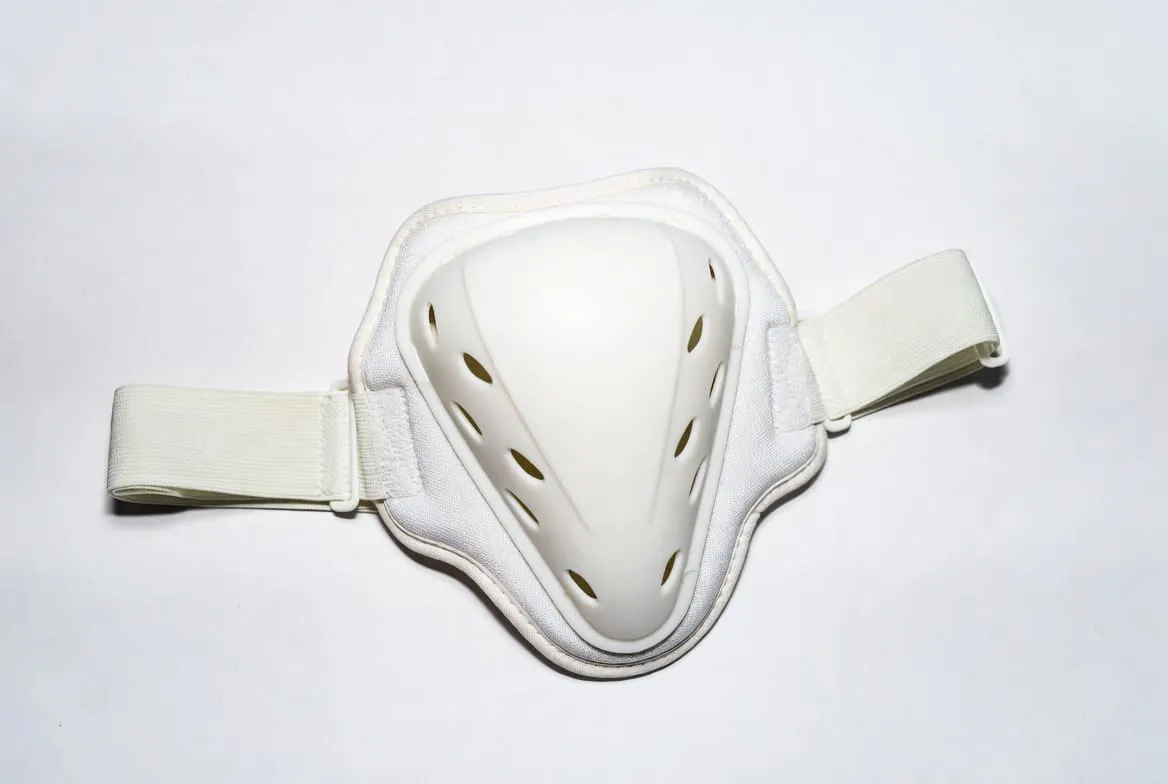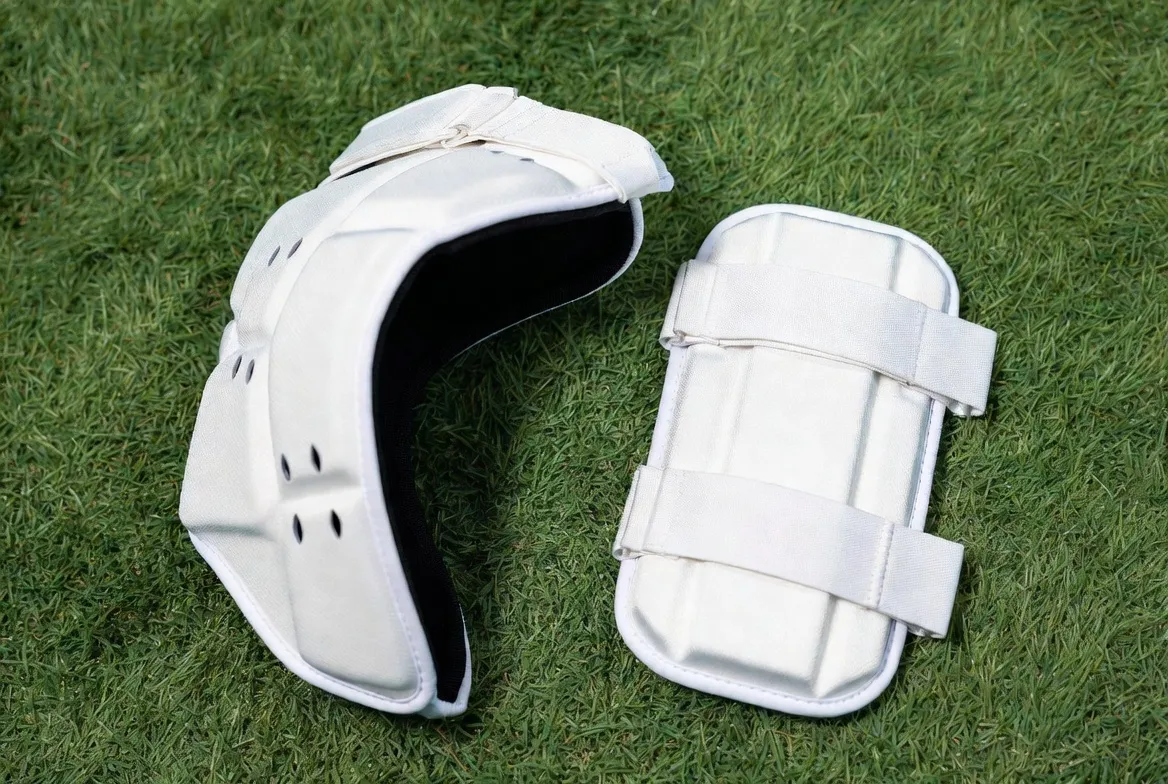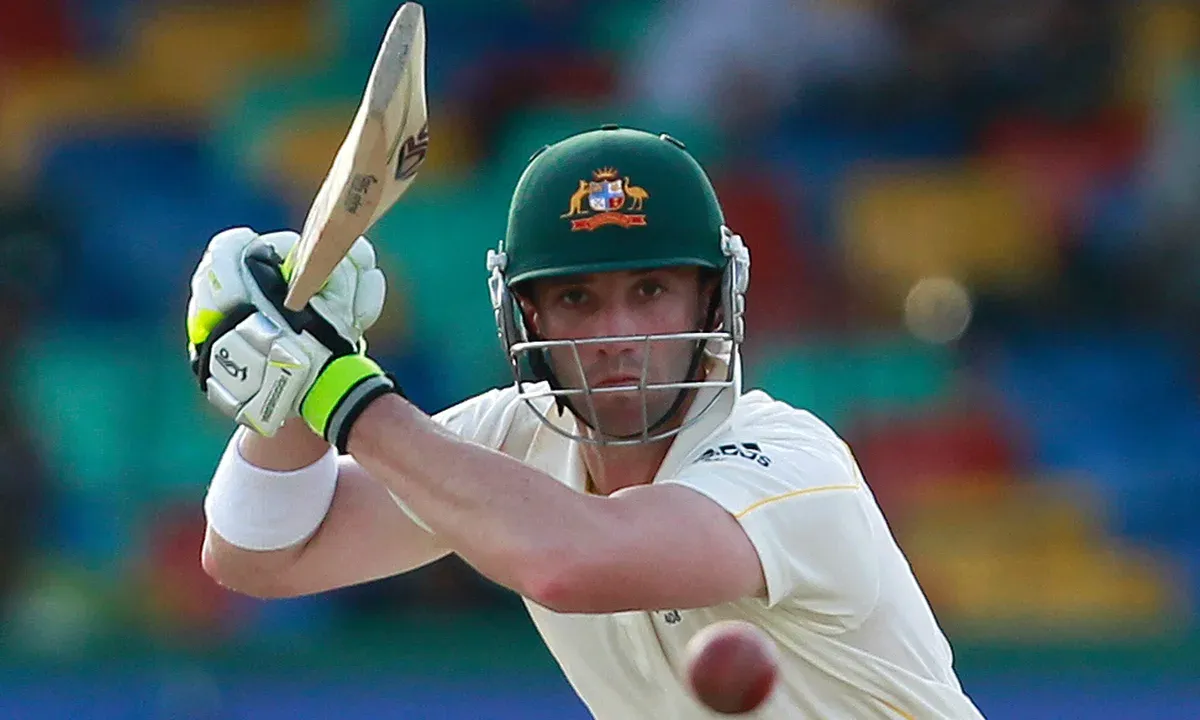
On 25 November 2014, Australian cricketer Phillip Hughes was struck on the neck by a bouncer during a Sheffield Shield match at the SCG. The ball hit the unprotected area between his helmet and collar, rupturing a vertebral artery. He lost consciousness on the pitch and never regained it. He died two days later at the age of 25. His death was the catalyst for the most significant safety overhaul in cricket's history - from the invention of neck guards to mandatory helmet standards that protect every player today.
What Happened on 25 November 2014
Hughes was batting on 63 not out for South Australia against New South Wales. A short-pitched delivery from Sean Abbott struck him on the left side of the neck, just below the ear - an area no helmet at the time was designed to protect. The ball hit the vertebral artery, causing a massive subarachnoid haemorrhage (bleeding in the brain).
He collapsed face-first onto the pitch. Players from both teams immediately rushed to help. Paramedics performed CPR on the ground before he was airlifted to St Vincent's Hospital in Sydney. He was placed in an induced coma and underwent emergency surgery, but the damage was too severe.
Phillip Hughes was pronounced dead on 27 November 2014. His death shook cricket worldwide and raised a question the sport had never truly confronted: were cricket helmets actually safe enough?
The Safety Gap That Killed Him
The helmet Hughes was wearing was legal, properly fitted, and met the existing standards of the time. But those standards had a critical flaw: they did not protect the back and sides of the neck. The gap between the bottom of the helmet shell and the collar of the shirt was completely exposed.
A ball travelling at speeds of just 80-90 km/h could cause fatal damage to this area if it struck the vertebral artery. The delivery that hit Hughes was not exceptionally fast - it was a standard bouncer in domestic cricket. This meant the vulnerability was not about extreme pace; it was about helmet design.
How Cricket Changed After Hughes?
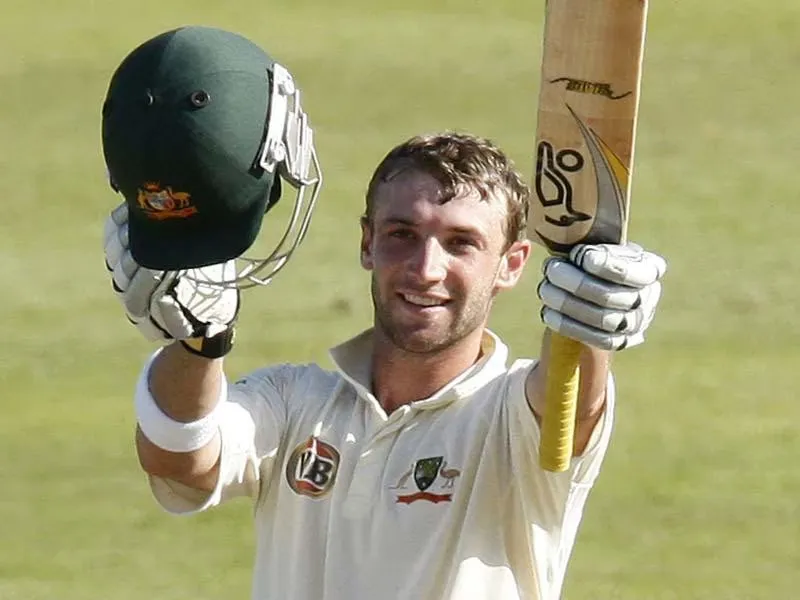
1. The BS 7928 Helmet Standard (2016)
The ICC, in conjunction with the British Standards Institute, revised the BS 7928 safety standard for cricket helmets. The updated standard introduced:
Reduced gap between peak and grille - the ball can no longer fit through to strike the face
Higher impact testing thresholds - helmets must withstand impacts at speeds up to 100+ mph
Mandatory compliance stamp - all helmets used in ICC-sanctioned cricket must carry the BS 7928 mark
This became the baseline for all organised cricket. For details on choosing a compliant helmet, see our helmet fitting guide.
2. The Invention of Neck Guards (2019)
The most direct response to Hughes' death was the creation of the neck guard (also called a stem guard). This is an attachment that clips to the back of a helmet and covers the exposed area between the helmet shell and the neck.
The first commercial neck guard was developed by Australian company Masuri, working with Cricket Australia. It uses a flexible flap of high-density foam that hangs from the back of the helmet, covering the vertebral artery area that was exposed when Hughes was struck.
Neck guards were initially optional but adoption grew rapidly. By 2024, the ICC made neck guards mandatory for all international cricket. Many national boards now require them at domestic and junior levels too.
3. Close Fielding Rules Tightened
After Hughes' death, the ICC also strengthened rules for fielders close to the bat:
Helmets mandatory for any fielder within 7 metres of the bat (short leg, silly point, etc.)
No fielder without a helmet can stand in the forward short leg area
Umpires given authority to enforce these rules mid-match
4. Mental Health and Player Welfare
Hughes' death also triggered a broader conversation about player mental health. Sean Abbott, the bowler who delivered the ball, and many of Hughes' teammates suffered severe trauma. Cricket Australia established dedicated mental health support programs for players, and most cricket boards worldwide now have similar services.
From experience: I was playing club cricket when the news broke. The ground went silent. For weeks afterward, every bouncer felt different. Batters flinched. Bowlers pulled their length. It affected everyone at every level. That period changed how our entire club thought about helmets. Before Hughes, some senior players would bat without a helmet against medium pacers. After, nobody questioned it. Every player, every level, every ball - helmet on.
"63 Not Out" - Cricket's Tribute
Hughes' final score of 63 not out became cricket's most emotional symbol. The hashtag #PutOutYourBats trended worldwide as players, fans, and even non-cricket followers placed bats outside their front doors in tribute. The number 63 has since been retired by several cricket teams and competitions in his memory.
Cricket Australia's Test at the Adelaide Oval the following month became one of the most emotional matches ever played, with both teams and fans honouring Hughes' memory.
Conclusion
Phillip Hughes' death changed cricket permanently and for the better. The sport confronted a safety gap it had ignored for decades, and the result was stronger safety rules, better helmet standards, mandatory neck guards, and a culture shift in how every player approaches protection. No piece of equipment can eliminate all risk in a sport where a hard ball is bowled at pace, but the changes made since 2014 mean the area that killed Hughes is now protected for every player who wears a compliant properly fitted helmet.
Credit: Danny Dom
FAQs
How did Phillip Hughes die?
He was struck on the neck by a bouncer during a Sheffield Shield match in 2014. The ball ruptured a vertebral artery, causing a fatal brain haemorrhage. He died two days later aged 25.
What changed after Phillip Hughes' death?
The ICC introduced mandatory BS 7928 helmet standards, neck guards, and stricter close fielding rules. Cricket boards also established player mental health programs.
Are neck guards mandatory because of Hughes?
Yes. Neck guards were invented specifically to protect the area where Hughes was struck. They became mandatory in international cricket in 2024.
What does "63 not out" mean in cricket?
It was Phillip Hughes' final score when he was fatally struck. The number became a tribute symbol - fans worldwide placed bats outside their doors under the hashtag #PutOutYourBats.