If you want to get your child into cricket, you don't need expensive gear or professional coaching from day one. Cricket is one of the best team sports for developing hand-eye coordination, discipline, and confidence in kids. The key is making it fun first and formal later. In this guide, I'll cover what age to start, how much equipment you actually need, ways to keep it enjoyable, and how to find the right junior program when your child is ready.
What Age Can Kids Start?
- Ages 3-5: Throwing, catching, and hand-eye coordination games with soft balls
- Ages 5-7: Introduce basic batting and bowling with a plastic/soft ball cricket set
- Ages 7-9: Join a junior cricket program or local club. Start with proper technique coaching
- Ages 9+: Transition to hard ball cricket with full protective gear
Equipment to Start With
Don't over-invest early. Start cheap and upgrade as interest grows.
| Age | Equipment Needed | Budget |
|---|---|---|
| Under 7 | Plastic bat + soft ball set | Under $12 |
| 7-9 | Size 3-4 bat, soft ball, basic pads | $35 - $60 |
| 9-12 | Size 5-6 bat, helmet, pads, gloves, box | $100 - $180 |
| 12+ | Full junior kit with proper helmet | $180+ |
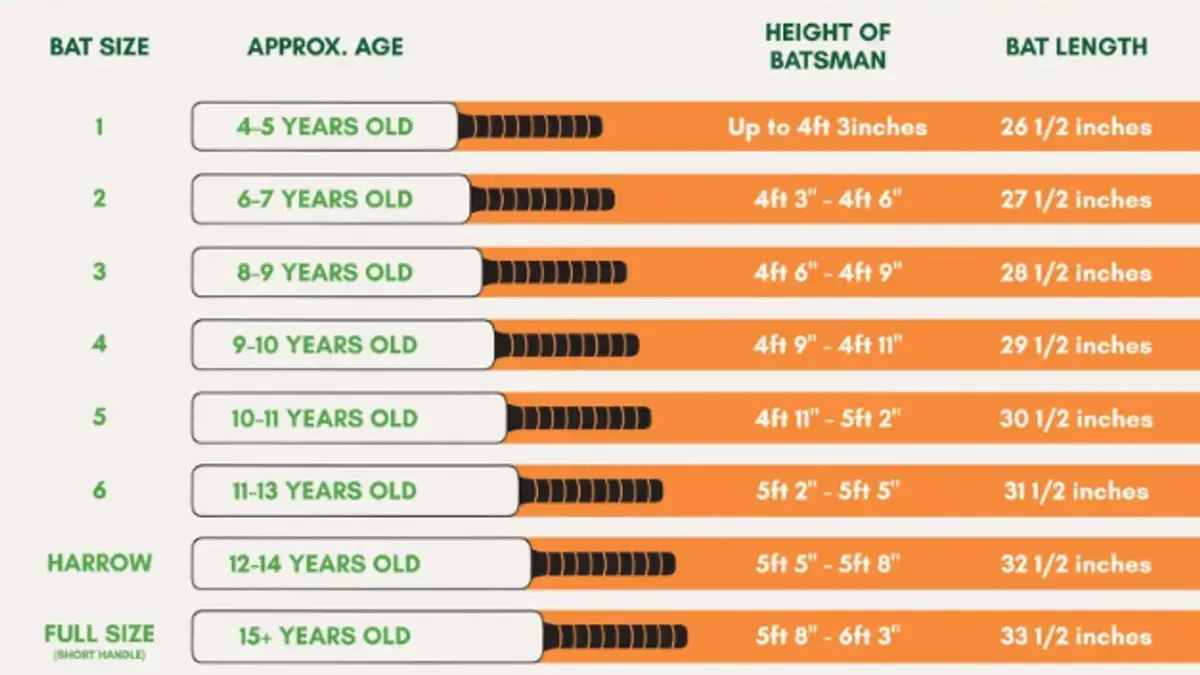
Critical: The bat must be the correct size for your child's height. Use a cricket bat size chart, a Size 1 fits ages 4-5, while a Size 6 suits ages 11-13. A bat that's too heavy or too long ruins technique.
How to Make Cricket Fun for Your Child
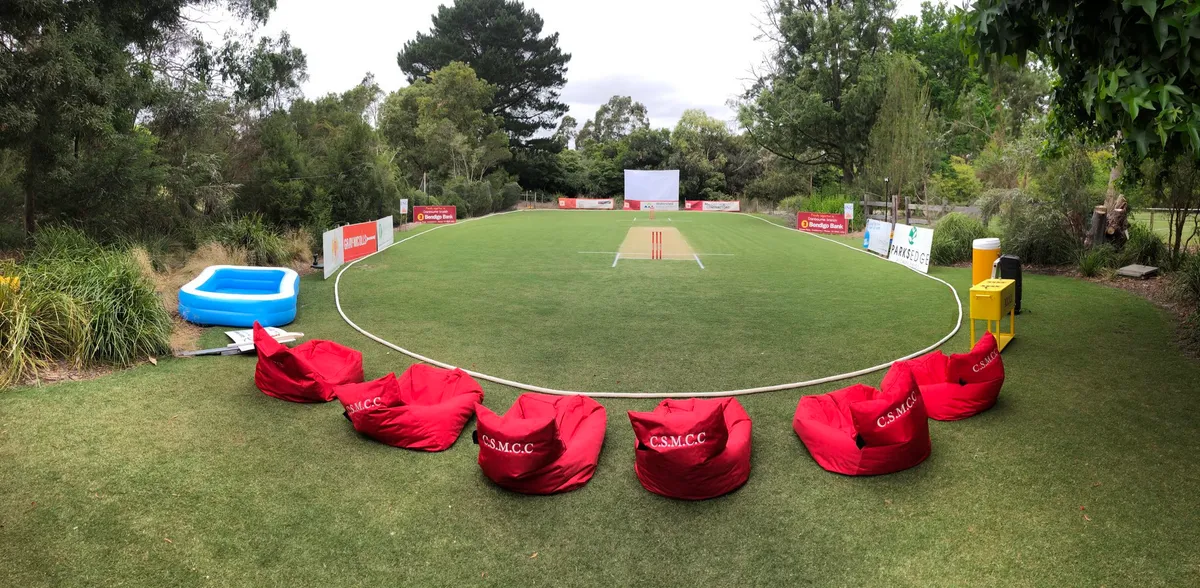
- Backyard cricket, set up stumps in the garden. No rules, just hit and run
- Let them choose their role, batting, bowling, or keeping. Don't force a specialism
- Watch cricket together, T20 matches are perfect for kids (short, exciting, lots of boundaries)
- Play with them, your involvement matters more than any coaching session
- Focus on hand-eye coordination, catching, throwing, and hitting develop skills that transfer to all sports
- No pressure, at young ages, fun beats performance. Technique comes later
- Encourage girls too, women's cricket is growing fast, and most clubs now have girls cricket programs
From experience: I started playing in the streets of Pakistan at age 5 with a tape ball and a plank of wood. No coaching, no proper gear, just pure fun. That's where the love for the game begins. The formal training came later when I joined a cricket academy at 9.
Finding a Local Cricket Program
- Check your local cricket club for junior programs
- Look for programs that offer free taster sessions (most good ones do)
- Ideal coach-to-child ratio for beginners: 1:8 or better
- Prioritise coaches who focus on fun and fundamentals over winning at young ages
Safety First, Before Your Child Steps on the Field
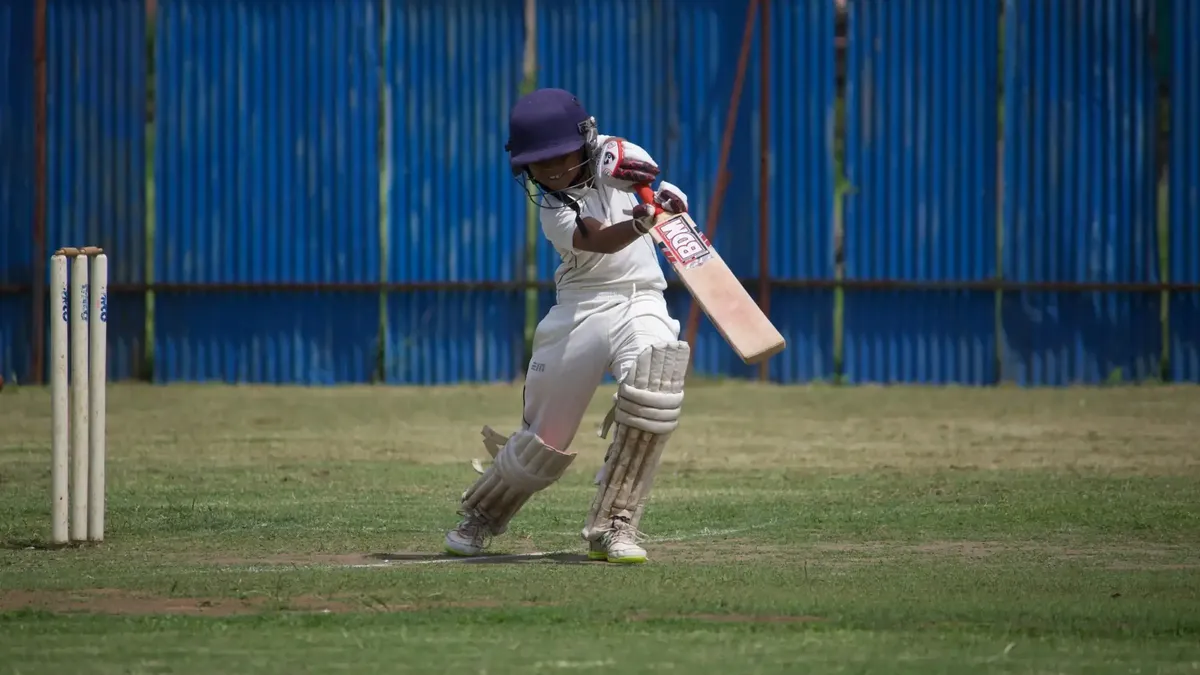
- Helmet is mandatory from the moment your child faces a hard ball
- Box (abdominal guard) is non-negotiable for boys
- Proper pads and gloves, even at junior level, balls can hurt
- Ensure all protective gear is the correct size, oversized gear doesn't protect properly
Watch: Getting Kids Into Cricket
Credit: Melbourne Cricket Coaching
Conclusion
The best way to get your child into cricket is to keep it fun, start with basic gear, and play with them. Don't rush into expensive equipment or serious coaching, let the love for the game develop naturally first. When they're ready, find a good junior program and invest in properly fitted safety gear.
FAQs
What age should a child start using a hard ball?
Most clubs transition to hard ball around age 9-10, but only with proper protective gear and under supervision.
How much does junior cricket cost?
A basic starter kit costs $35-5,000. Club fees vary but most junior programs are affordable. Many clubs offer equipment loans for beginners. Expect to upgrade bat size every 1-2 years as your child grows, don't invest heavily in the first kit.
My child isn't sporty, can they still play cricket?
Absolutely. Cricket has roles for every body type, you don't need to be athletic to be a great spinner, strategic batsman, or wicket keeper.