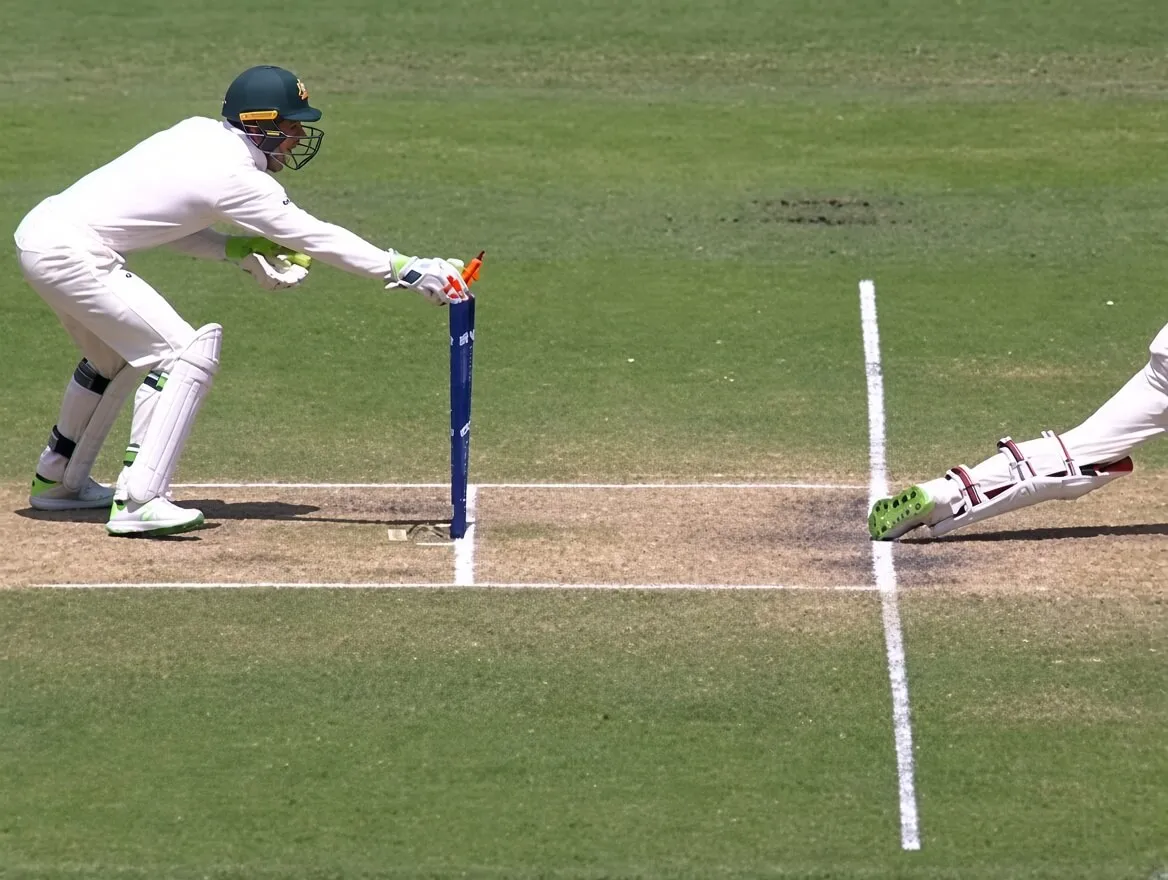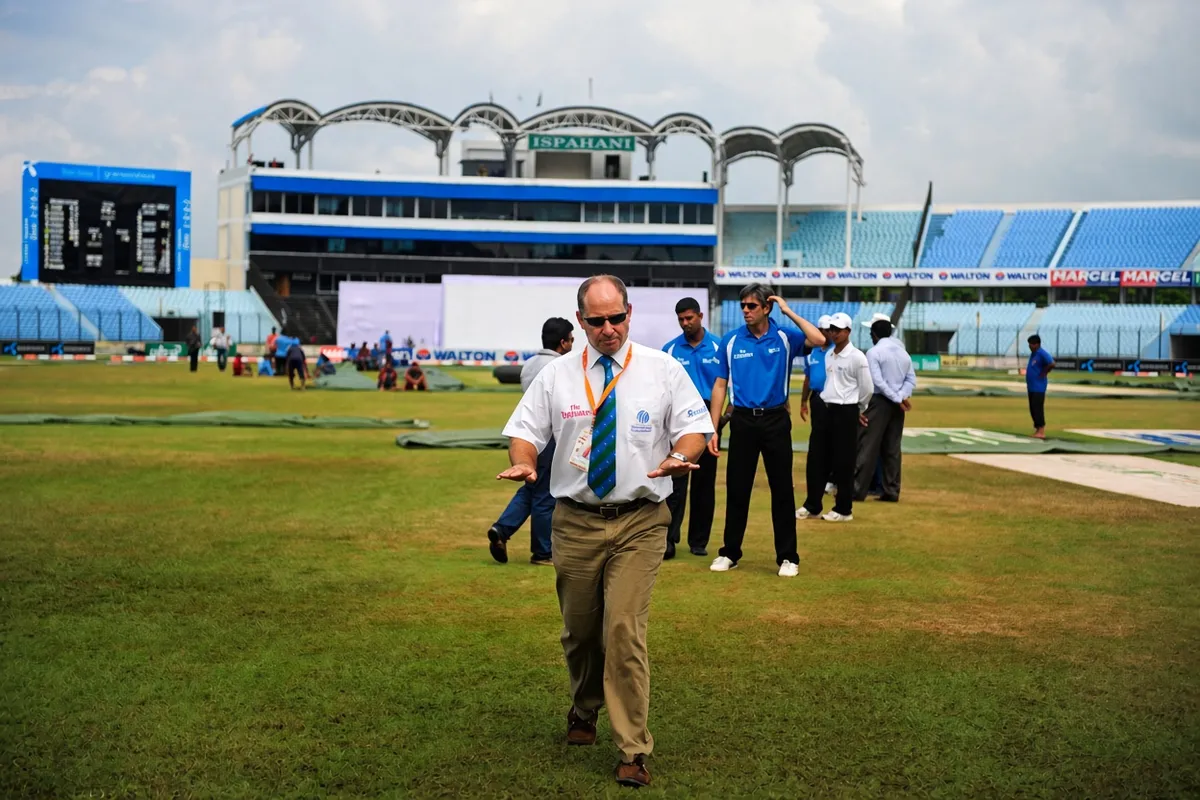
A match referee in cricket is the ICC official appointed to enforce the Code of Conduct, watching every international match from a spectator area rather than the field itself.
Unlike an umpire, a match referee never decides how the game is played. Here is exactly what the role covers, how it differs from an umpire, and the reporting process most fans never see.
What Does a Match Referee Actually Do?
The role centers on discipline, not decisions. A match referee handles breaches of the ICC Code of Conduct, things like dissent, sledging, or unsportsmanlike conduct, and can issue fines or bans depending on the severity.
After every international match, the referee files a report to the ICC covering the conduct of players and umpires, and also rates the quality of the pitch and outfield.
Offenses are graded from Level 1 to Level 4, with penalties running from a small match-fee fine right up to a lengthy ban for the most serious breaches.
Match Referee vs Umpire in Cricket:

The two roles work side by side, but they are built to do completely different jobs.
Aspect | Match Referee | Umpire |
|---|---|---|
Location | Off the field | On the field |
Affects the result? | Never | Yes, directly |
Main focus | Conduct and discipline | Laws of the game |
Appointed by | ICC only | ICC or the home board |
The clearest way to remember it: the umpire rules on what happened during the ball, while the match referee rules on how everyone behaved around it.
How a Suspect Bowling Action Gets Reported:
Bowling actions work differently from most rulings. A blatant throw is called live as a no-ball, but a merely suspect action is not.
Instead, the umpires and match referee file a joint report, and the bowler is sent for biomechanical testing, checked against the ICC's 15-degree elbow extension limit. The result can take weeks, not seconds.
The First Woman to Hold the Role:
India's G.S. Lakshmi made history in 2019, becoming the first woman named to the ICC's Elite Panel of Match Referees.
She went on to become the first woman to oversee a men's ODI, a milestone that opened the role to a wave of female officials across the sport.
Conclusion:
A match referee never touches the outcome of a game, yet the role shapes how the sport is played, watched, and remembered. From conduct reports to bowling action reviews, it is the quiet discipline behind every international match.
(FAQs):
Q1: Can a match referee overturn an umpire's decision?
A: No. The referee has no authority over on-field decisions like LBW or run outs, only over conduct and discipline after the fact.
Q2: What happens if a player breaches the Code of Conduct?
A: The match referee can issue a fine of up to 100 percent of the match fee, or a ban, depending on how serious the offense is rated.
Q3: Does every cricket match have a match referee?
A: No. The role is reserved for international cricket. Domestic and club matches almost never have one.
Q4: Who rates the pitch after a match?
A: The match referee. Their report to the ICC includes a formal rating of the pitch and outfield conditions used throughout the game.