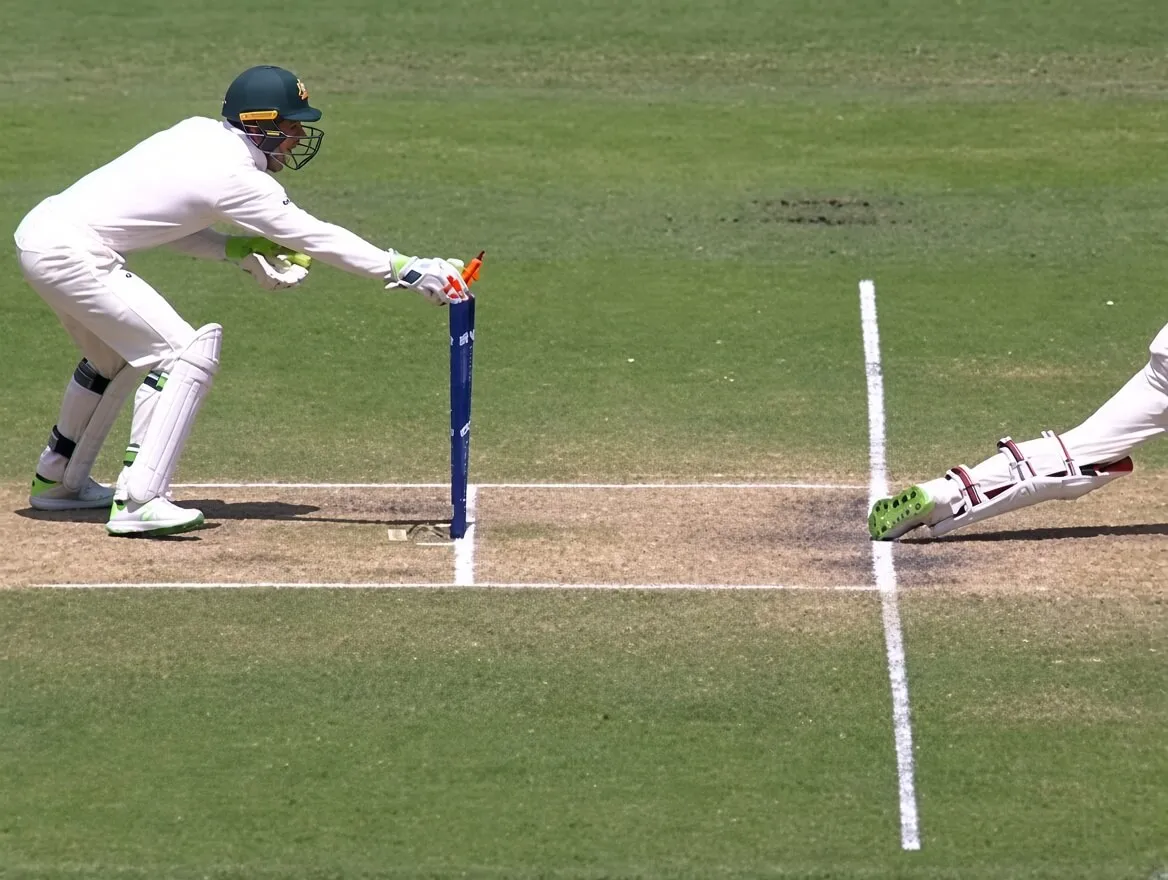
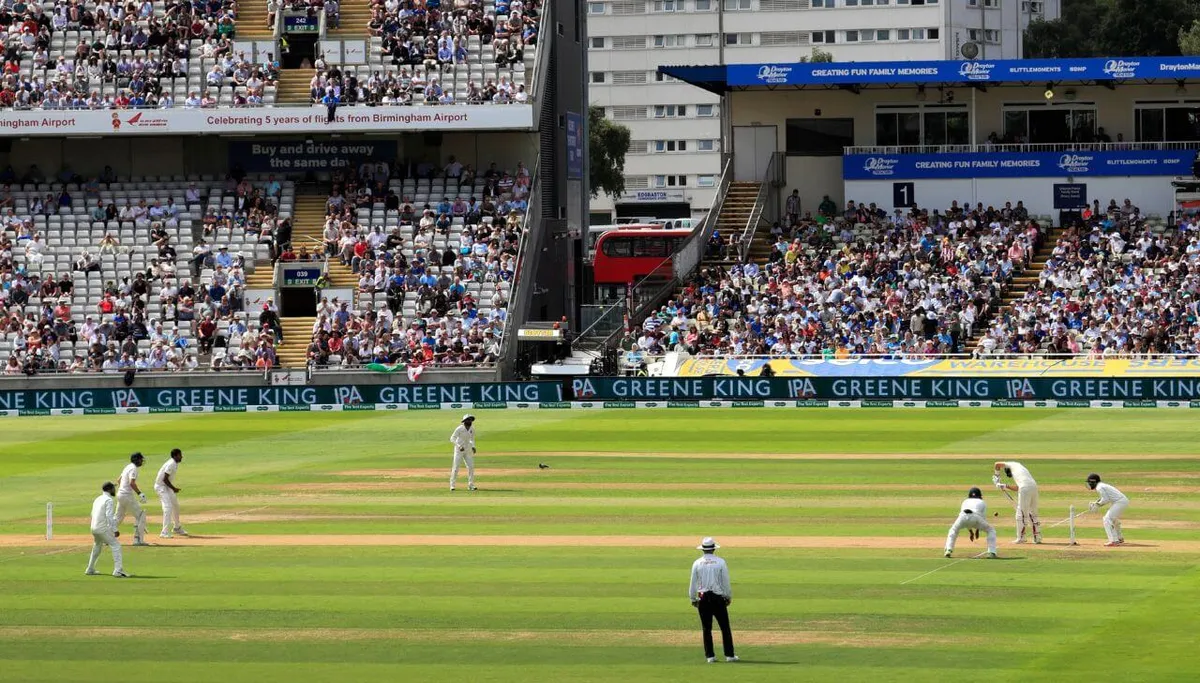
Short leg in cricket is a close catching fielding position on the leg side, just a few feet from the batter. It exists purely to catch bat-pad chances, balls that flick the bat and pad together and loop up for an easy catch.
It is the leg-side mirror of silly point, and just as risky. Here is exactly what it catches, why the nickname stuck, and a law change that surprises even longtime fans.
Where Short Leg Stands:
Short leg sits on the leg side, close in front of the batter, crowding right up to the edge of the pitch. Against a right-handed batter, that puts the fielder to their leg side; the captain shifts it across the moment a left-hander comes in.
The position also goes by bat-pad, a nod to exactly what it is built to catch: the ball flicking off the bat and onto the pad in the same motion.
Why Do Captains Use Short Leg?
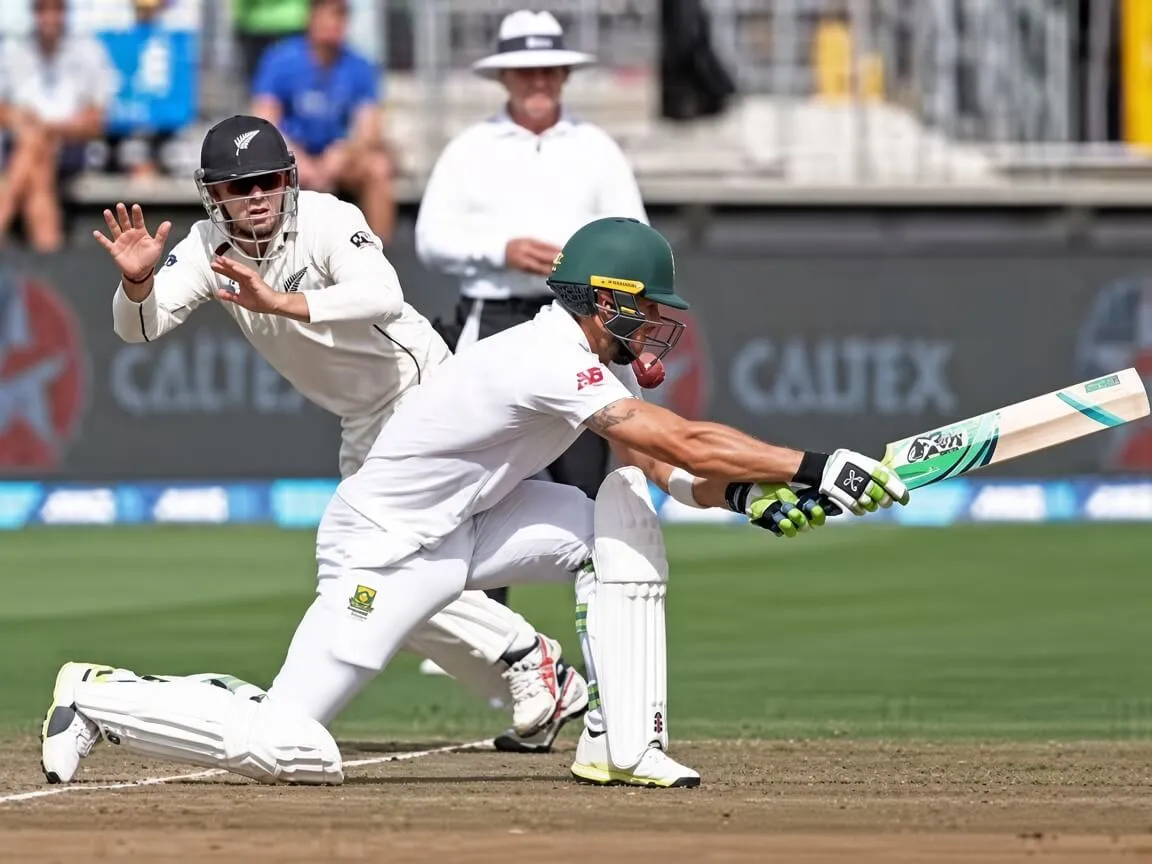
Short leg is almost always brought in against spin. As a spinning ball grips and turns, a batter playing forward defensively can get an inside edge that pops off the pad, straight into the fielder's hands.
Fielding at short leg in club cricket, the hardest part was not catching the ball, it was trusting the helmet enough to stay still when a batter swung hard.
Flinching cost more chances than slow hands ever did.
It chokes off easy singles on that side too, so a batter facing short leg has to think twice before nudging anything square.
The Helmet Rule That Changed the Game:
Since a 2017 law change, a batter can be given out caught if the ball strikes a fielder's helmet and is caught by someone else before it touches the ground.
Short leg is exactly where this comes up most, since fielders there wear a helmet only a few feet from the bat. Before 2017, a ball that deflected off a helmet this way was simply dead, no dismissal possible at all.
Short Leg vs Silly Point:
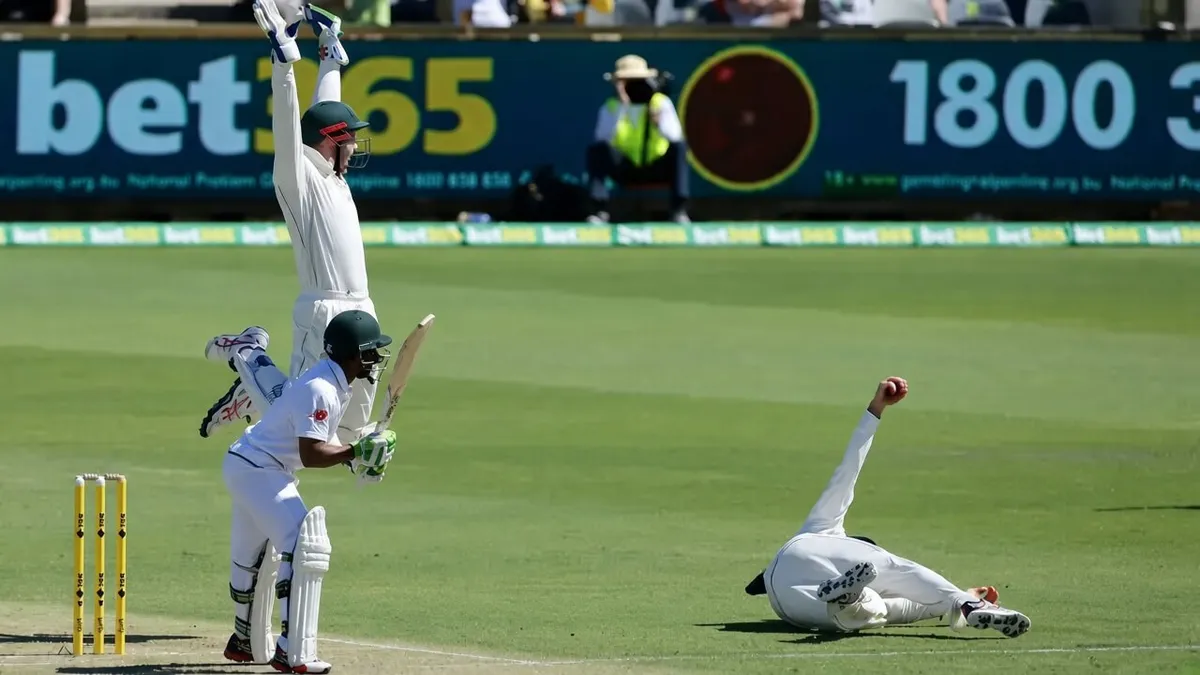
The two positions share almost everything except which side of the pitch they sit on. Both crouch close to the bat, both hunt bat-pad chances, and both are used almost exclusively against spin.
Captains sometimes set both at once on a heavily turning pitch, boxing the batter in with close catchers on either side, ready for whatever pops up off the pad.
The Greatest Short Leg Fielder of All Time:
India's Eknath Solkar is widely regarded as the finest short leg fielder the game has seen, a fearless presence at forward short leg through the 1970s.
His numbers back it up: 53 catches in just 27 Tests, the best catches-per-Test ratio of any non-wicketkeeper with 20 or more Tests. Teammate Tony Greig called him simply "the best forward short leg I've ever seen."
Conclusion:
Short leg is one of cricket's bravest jobs, a fielder crouched inches from a swinging bat purely to snap up a mistimed nudge. Between the risk, the helmet rule, and the sheer nerve it takes, it remains one of the game's most demanding positions to field.
(FAQs):
Q1: What is forward short leg?
A: Another name for the same position, emphasizing that the fielder stands slightly in front of the batter rather than directly square.
Q2: Is short leg used against fast bowling?
A: Rarely. It is almost always a spin position, since pace bowling gives the fielder far less time to react to anything popping up off the bat and pad.
Q3: Why is short leg considered such a dangerous position?
A: A firm shot leaves almost no time to react, since the fielder stands just a few feet away. Full protective gear is compulsory for exactly that reason.
Q4: What are the main short leg in cricket rules?
A: A helmet is compulsory within about seven metres of the bat, the ball must touch the bat before the pad for a valid catch, and since 2017, a deflection off the fielder's helmet can still be caught out.