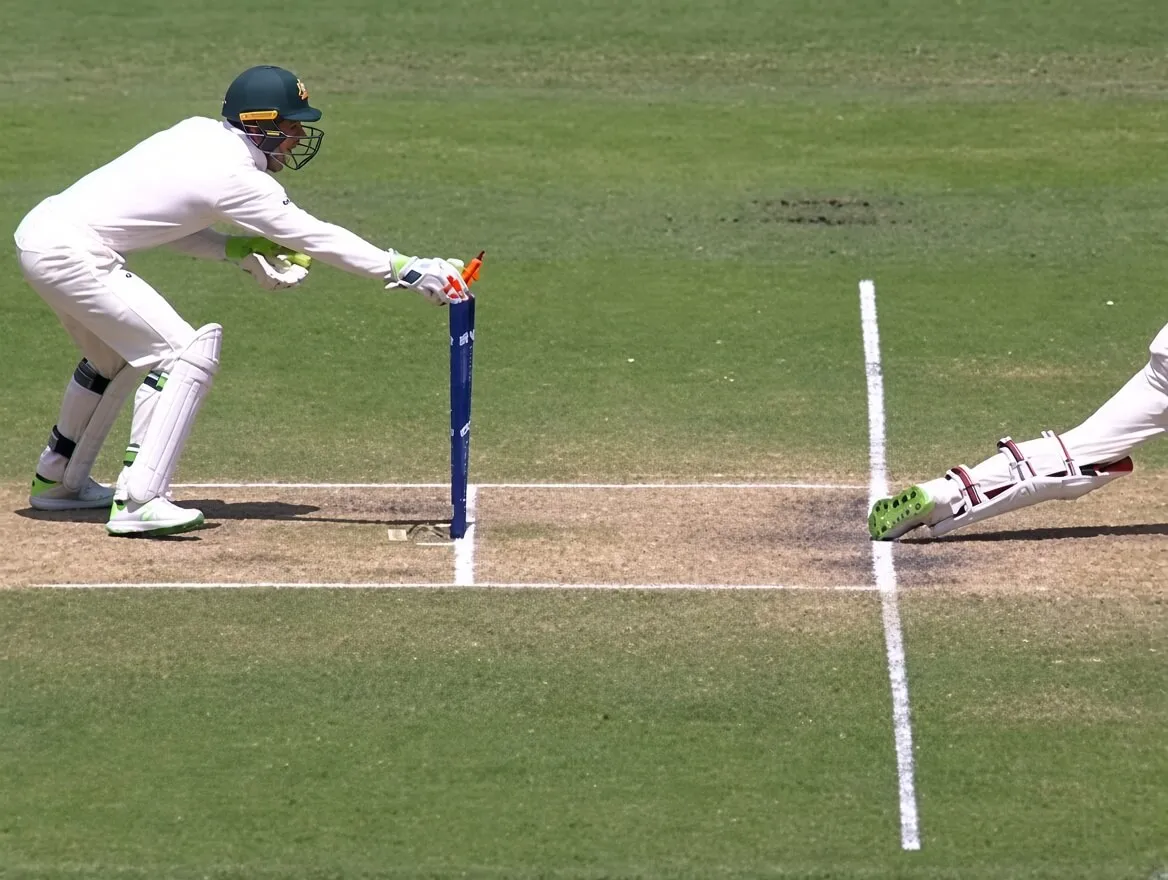
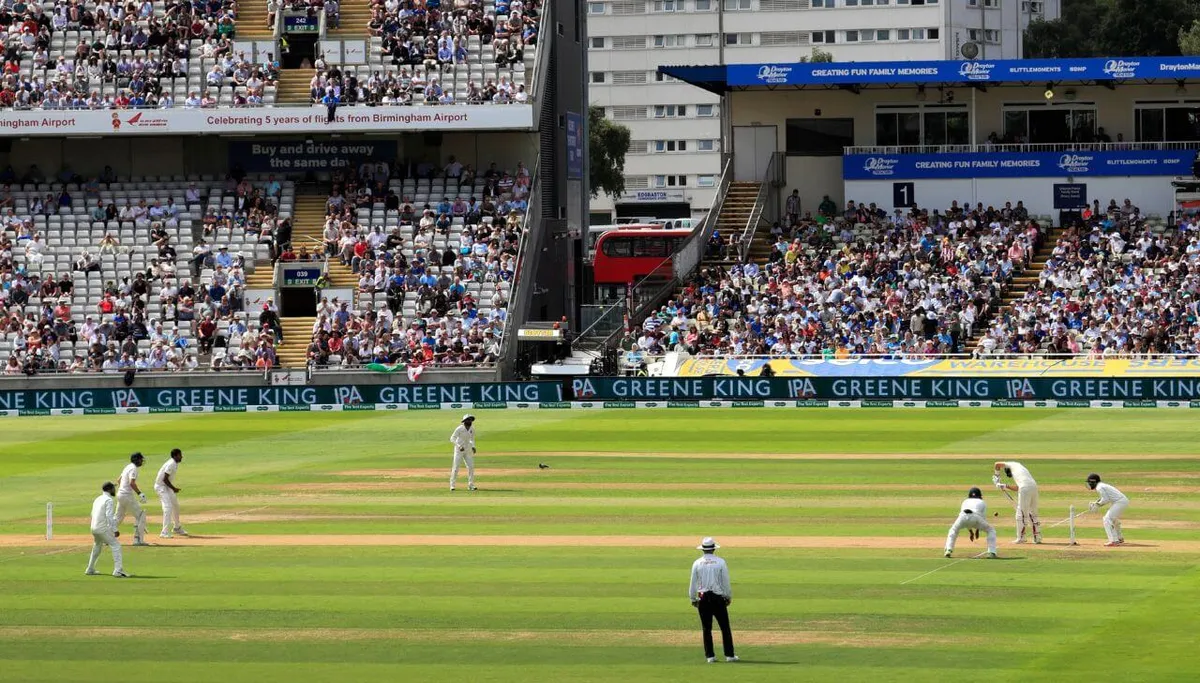
Fine leg in cricket is a fielding position on the leg side, behind the batter and close to their line, set to stop flicks, glances, and hooks from reaching the boundary.
Unlike short leg, this is a defensive job, not an attacking one. Here is exactly where it stands, the shot invented to attack it, and the rule that limits how many fielders can join it, in every format that uses it.
Where Fine Leg Stands:
Fine leg sits well behind square on the leg side, close to the line between the batter and the sightscreen. The word fine describes the angle, close to the batter's own line rather than out to the side.
The position comes in two depths. Short fine leg stands in the inner ring to cut off quick singles, while deep fine leg patrols the boundary rope to stop the four.
Why Is Fine Leg a Defensive Position?
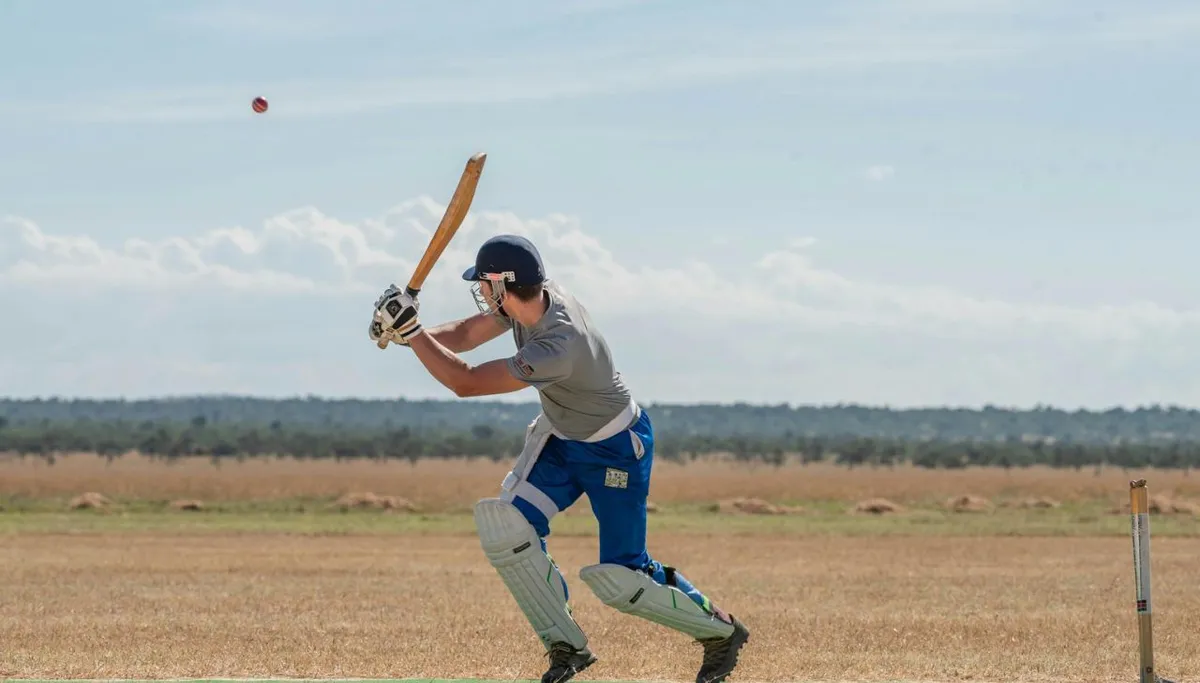
Fine leg exists to protect one specific gap: the space behind square on the leg side, exactly where a flick off the pads or a top-edged hook tends to travel.
Watching from the boundary in club cricket, fine leg often felt like the loneliest job on the field, minutes of standing still followed by one sudden sprint if the ball finally came your way.
Captains often use it to hide a weaker fielder, since the position needs fewer sharp reflexes than a slip or short leg, just reliable hands and a strong arm back to the keeper.
The Shot Invented to Attack Fine Leg:
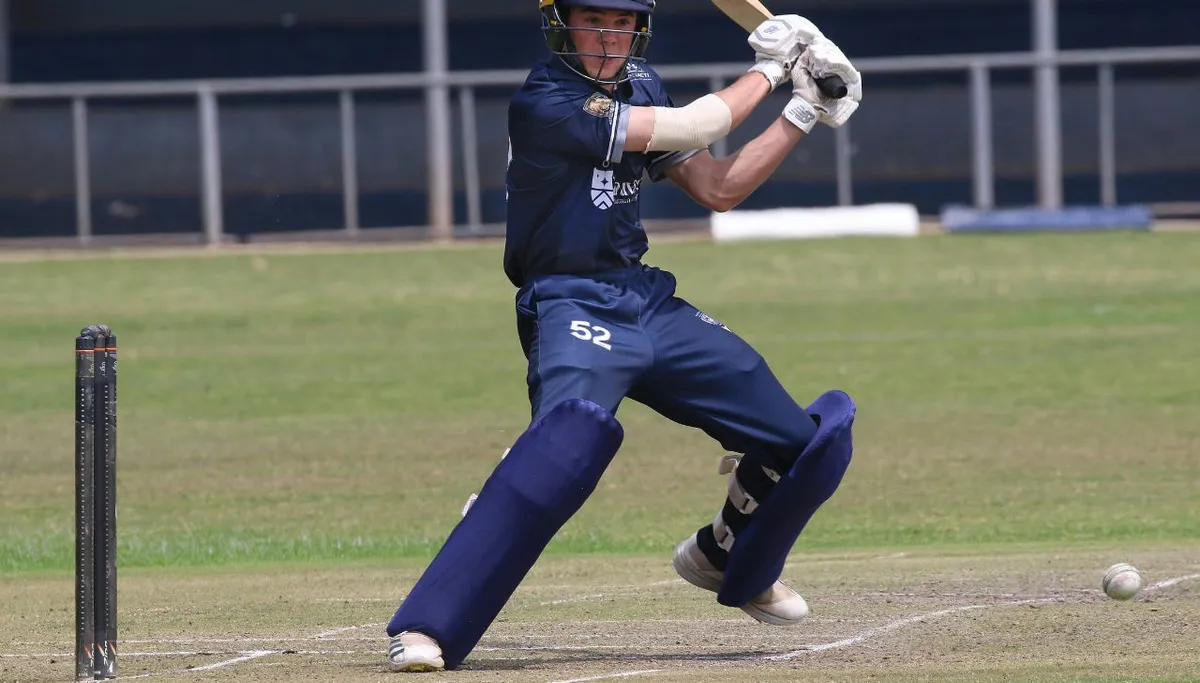
Modern batting has turned fine leg from a quiet corner into a genuine target. The ramp shot, also called the Marillier shot, is played specifically to send the ball over the keeper's head into that exact space.
It is named after Zimbabwe's Douglas Marillier, who first tried it in a nail-biting 2001 defeat to Australia, then perfected it in 2002 against India, scooping 56 not out to seal a stunning one-wicket win.
In today's T20 cricket, a batter's scoops and ramps can force a captain to move fine leg squarer, finer, or even into the ring, depending on how the shot is being played.
How Many Fielders Can Join Fine Leg?
In limited-overs cricket, no more than two fielders can stand behind square on the leg side at any point in the innings, a group that includes both fine leg and square leg together, not just during the powerplay.
The rule exists to stop bowlers stacking that side with catchers and firing an endless barrage of short balls at the body, the tactic once known as bodyline.
That forces captains to choose. Load up protection behind square, and there is less cover for shots played in front of the wicket instead.
Conclusion:
Fine leg is cricket's quiet insurance policy, a fielder stationed to save the boundary rather than take the wicket. Once a hiding spot for the weakest fielder, the ramp shot has turned it into one of the most tactically important positions in the modern game.
(FAQs):
Q1: How many fine leg fielders can a team use?
A: Usually just one at a time, though a captain can post a short fine leg and a deep fine leg together, provided the total behind square on the leg side stays at two or fewer.
Q2: What are the main fine leg rules in cricket?
A: No more than two fielders are allowed behind square on the leg side at once, and the position must stay within the boundary rope, the same as any other fielder.
Q3: Is fine leg important in T20 cricket?
A: Very. With batters attacking the ramp and scoop shot constantly, captains rely on fine leg to guard the boundary in exactly the area those shots are aimed at.
Q4: Can fine leg take a catch?
A: Yes. A top-edged hook or a mistimed ramp can loop straight to fine leg, making it an occasional catching position as well as a boundary saver.