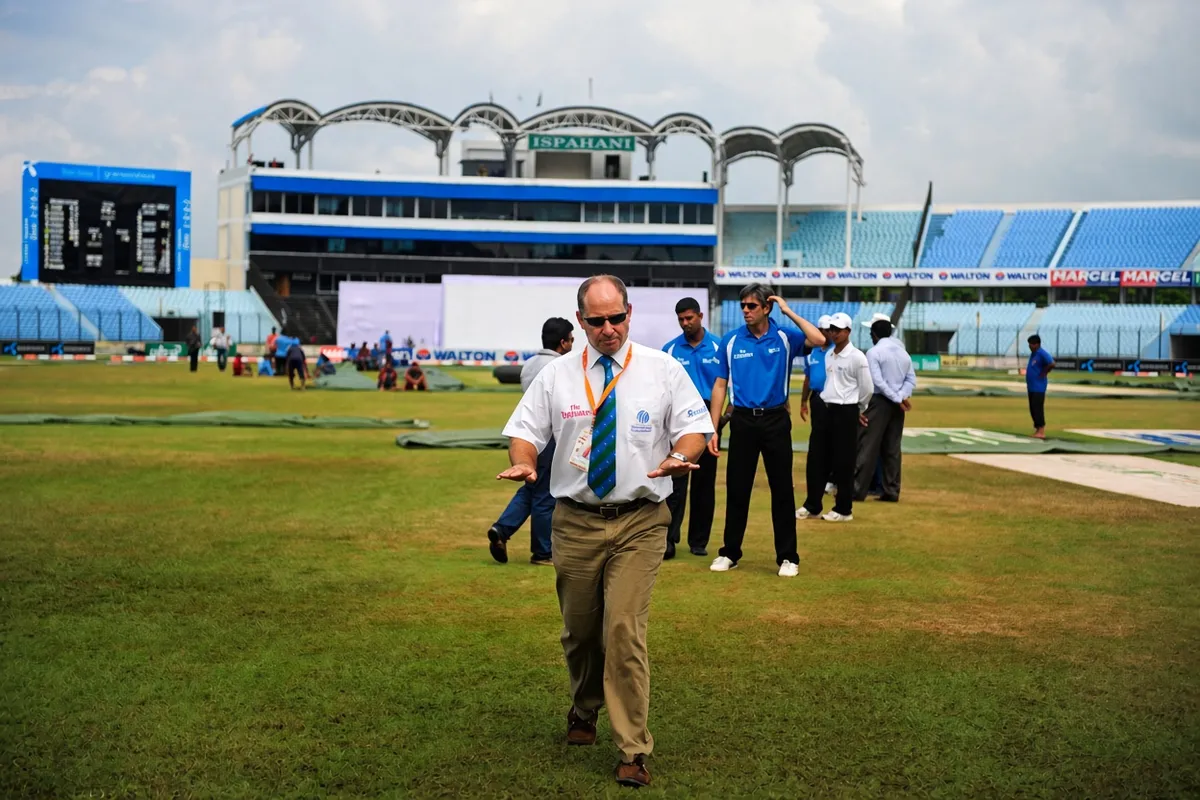
Timed out in cricket is a dismissal where an incoming batter is given out for not being ready to face the ball within the allowed time. The batter is out before facing a single delivery.
It is one of the rarest dismissals in the game, and it stayed almost unheard of for over a century, until one World Cup moment dragged it into the spotlight. Here is how the rule works and the story that made it famous.
How a Batter Gets Timed Out:
When a wicket falls or a batter retires, the next batter must be ready within a set time. Law 40 covers it: the incoming batter, or their partner, has to be ready to receive the ball inside the limit.
If they are not, the fielding side can appeal, and the umpire can send the new batter back before a ball is bowled.
The rule is there to keep the game moving and to stop deliberate time-wasting between wickets. It takes both a genuinely slow batter and a fielding side willing to appeal.
In club cricket I have never once seen it given. Umpires simply wave the incoming batter to hurry along, and everyone gets on with the game.
How Long Does the New Batter Have?
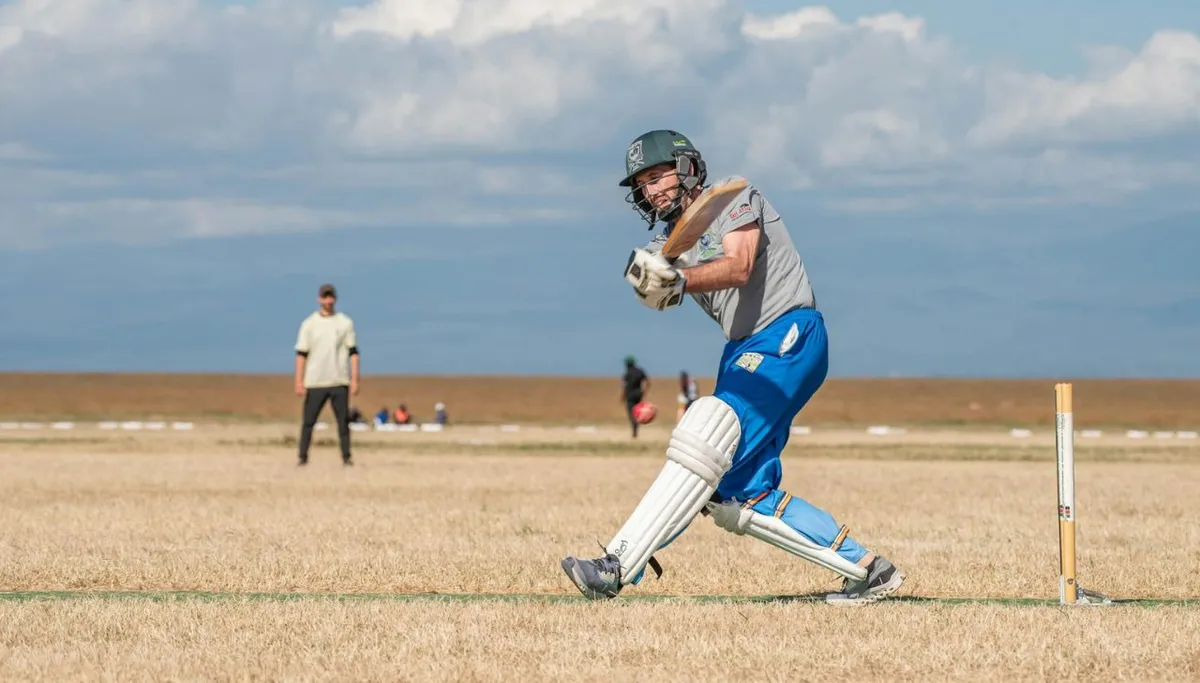
The time limit depends on who is running the game. The MCC Laws of Cricket allow three minutes, while international cricket is stricter, dropping to just 90 seconds in T20 internationals.
Setting | Time to be ready |
|---|---|
MCC Laws of Cricket | 3 minutes |
T20 Internationals | 90 seconds |
The clock starts the moment the previous wicket falls. A slow walk to the middle, or a last-second gear check, can be all it takes to bring an appeal from the fielders.
The Angelo Mathews Timed Out:
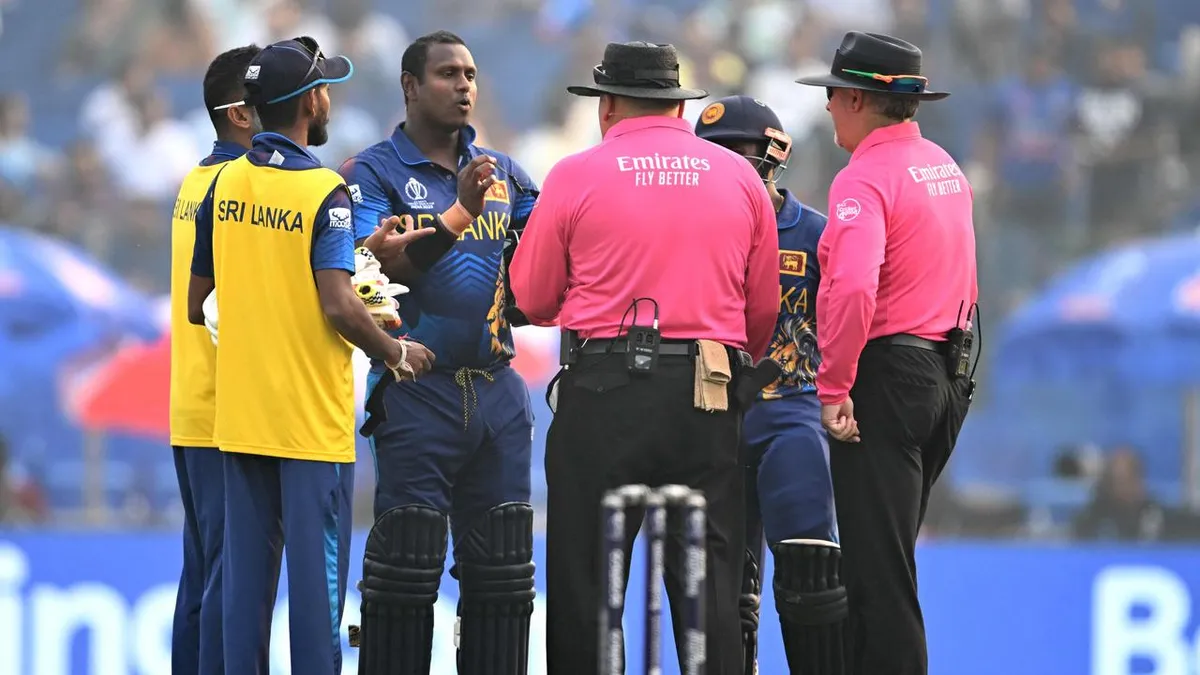
For 146 years, no batter had ever been timed out in international cricket. That changed on November 6, 2023 in Delhi, when Sri Lanka's Angelo Mathews was given out against Bangladesh at the World Cup.
He was already at the crease, in his final preparations, when the strap of his helmet broke as he tightened it.
As he called to the dressing room for a replacement, Bangladesh captain Shakib Al Hasan appealed. By then more than two minutes had passed, beyond the tournament limit, and Mathews had to walk back.
The dismissal split opinion. Charith Asalanka, who made 108 in the same innings, was among those left fuming, and many felt the appeal went against the spirit of the game. Bangladesh won the match by three wickets, and an obscure law became headline news overnight.
Can a Timed Out Be Withdrawn?

Yes. The fielding captain can call off the appeal and send the batter back in, and the umpires can ask them to reconsider.
That is exactly what the umpires offered in Delhi. Shakib declined to withdraw, so by the letter of the law they had no choice but to give Mathews out.
Timed Out Cases After Mathews:
Mathews was not the last. About a month later, Ghana's Godfred Bakiweyem was timed out against Sierra Leone, the first case in men's T20 internationals.
Then in June 2026, Bhutan's Ritshi Choden became the first player timed out in women's international cricket, taking over 90 seconds to reach the crease against Nepal. Nepal's board later apologised for the appeal.
Even so, no batter has ever been timed out in a Test, and first-class cricket has seen fewer than ten cases in all.
Conclusion:
Timed out is cricket's quiet reminder to keep moving: be ready in time, or risk being out before you have faced a ball. It is almost never seen, but as Angelo Mathews found at the World Cup, the clock is always running.
(FAQs):
Q1: Is a timed out batter given a duck?
A: Yes. The batter is out for zero off zero balls, so it counts as a duck. It is often called a diamond duck, though that is an informal term used loosely.
Q2: Does the bowler get credited with the wicket?
A: No. Timed out is one of the dismissals not credited to any bowler, alongside run out, obstructing the field, and retired out.
Q3: Is timed out the only way to be out without facing a ball?
A: No. A non-striker can be run out backing up, and a batter can be retired out. Timed out stands apart because it happens before the batter is even in play.
Q4: Can a batter be timed out over a gear problem?
A: Yes. Equipment trouble does not automatically stop the clock, so a delay to fix a broken helmet or pad can still leave a batter open to an appeal.