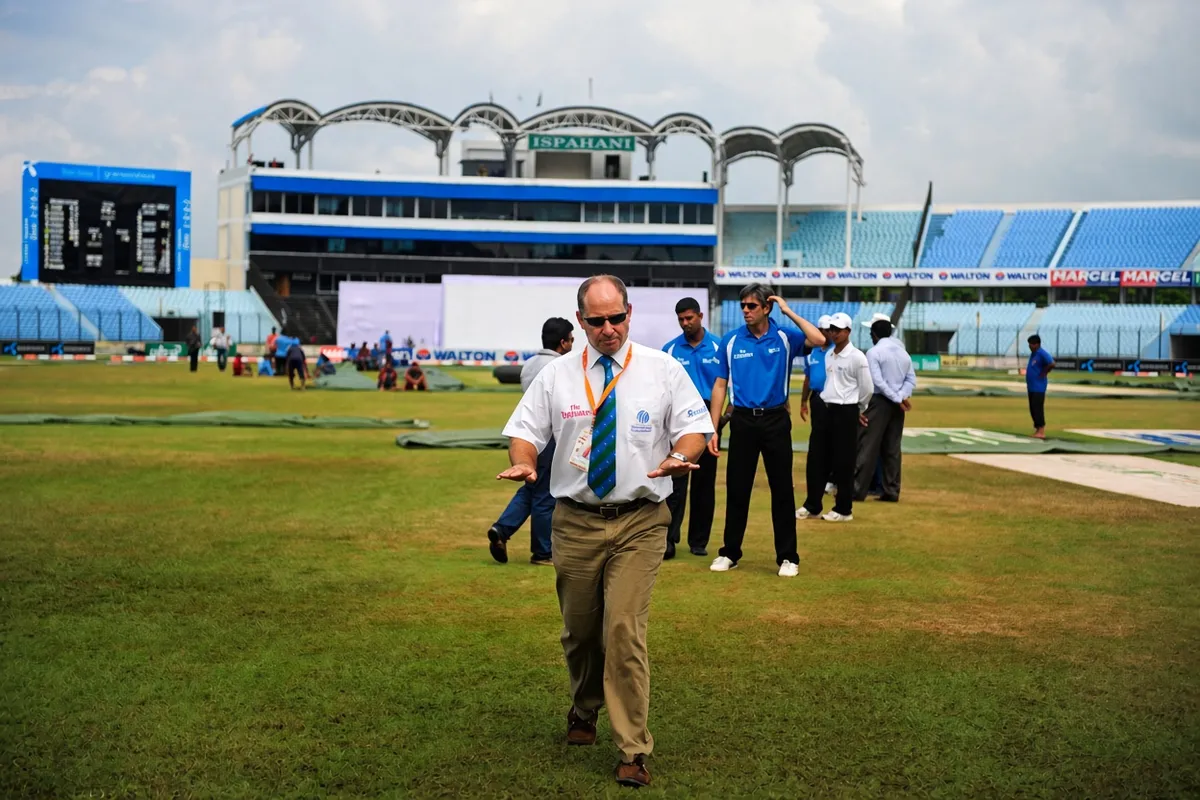
A soft signal in cricket was the on-field umpire's initial "out" or "not out" call, given before a close decision was sent up to the third umpire. It carried real weight, because the replays had to clearly prove it wrong to overturn it.
For years it decided some of the game's most argued dismissals, until the controversy grew too loud. Here is how the soft signal worked, why it caused such friction, and why it is no longer part of the game.
How the Soft Signal Worked:
When a fielding side appealed for a close call the umpires could not settle with the naked eye, the standing umpire still had to commit to a verdict. That first call, out or not out, was the soft signal.
The decision then went to the third umpire for review. The key was that the replays had to show clear evidence to overturn the soft signal. If the footage was not conclusive, the umpire's original call stood.
When Umpires Gave a Soft Signal:
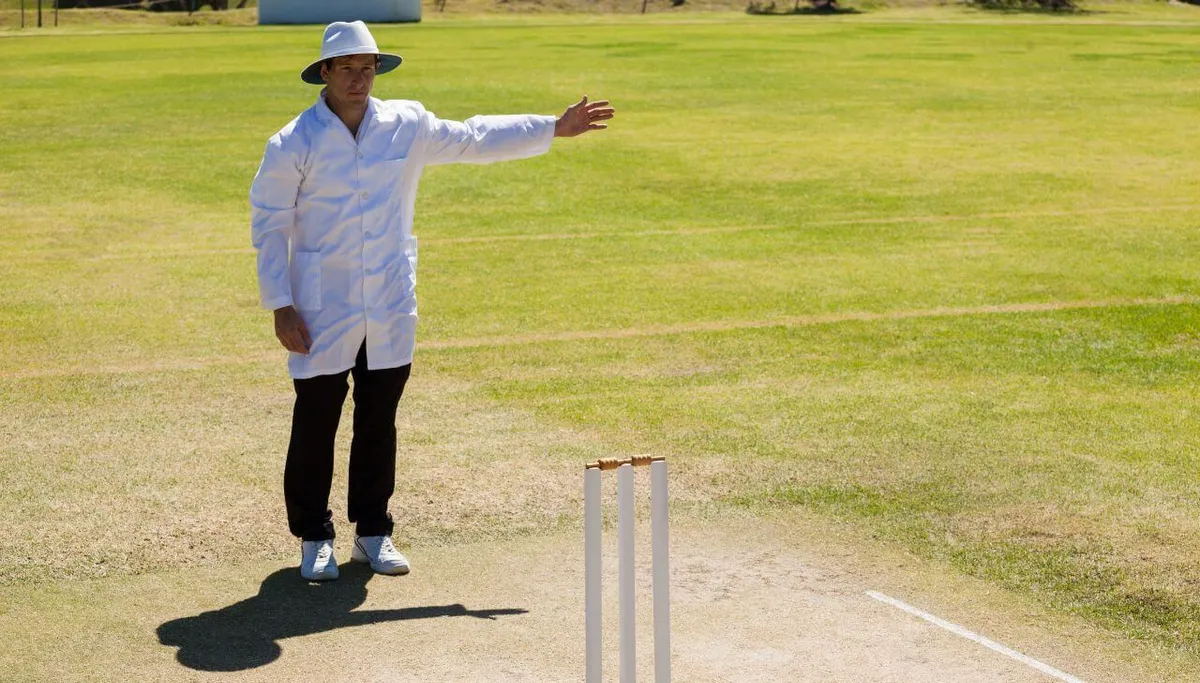
The soft signal came up most often for low catches, the ones taken inches off the turf where nobody could be sure the ball had carried cleanly.
It was not only for catches, though. Any close call the naked eye could not settle, such as a tight run-out or a stumping, could get a soft signal before the review began.
What Made the Soft Signal Controversial?
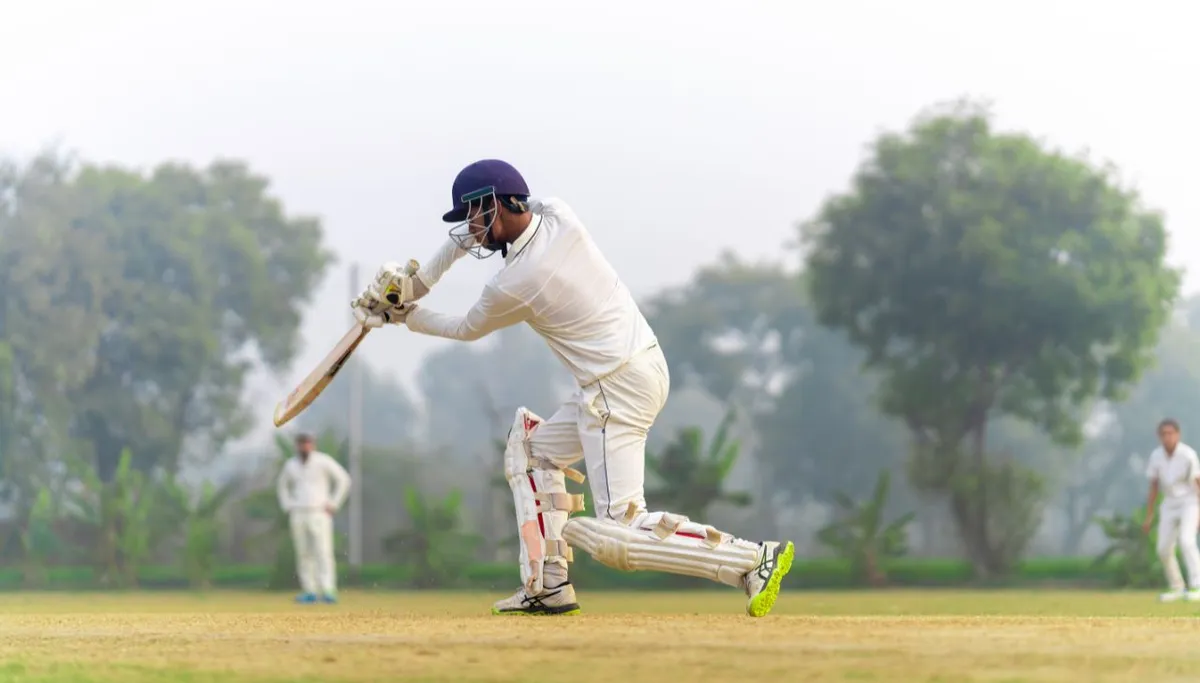
The trouble was fairness. A batter's wicket could rest on nothing more than the umpire's naked-eye guess, even with a bank of super slow-motion cameras trained on the very same moment.
As a fan, those moments were maddening to watch. A batter could be sent off on a soft signal of out while the replays showed nothing conclusive either way, with no way back.
The 2021 dismissal of Suryakumar Yadav, given out off a Dawid Malan catch despite an unclear replay, was one such flashpoint. It left India's captain openly questioning why a soft signal could decide a wicket at all.
Why the Soft Signal Was Scrapped:
The mounting criticism worked. In 2023 the ICC removed the soft signal from international cricket, calling it unnecessary and often confusing.
Now, on a close catch, the on-field umpire can send the decision straight upstairs with no initial verdict. The third umpire weighs the evidence, and if it is inconclusive, uses their own judgment rather than leaning on a soft signal.
Conclusion:
The soft signal asked umpires to guess first and check later, and that backwards order is what finished it. It handed technology a call to beat rather than a clean slate. Cricket wanted reviews to start fresh, so in 2023 it was gone.
(FAQs):
Q1: Why did cricket use a soft signal at all?
A: To keep the on-field umpire's judgment at the heart of close calls, rather than handing every tight decision straight to technology. It was meant to protect the human umpire's role.
Q2: What signal did the umpire give for out or not out?
A: Out was the usual raised finger, and not out was shown by crossing the hands in front of the body. The standing umpire made the gesture to the third official.
Q3: Did the soft signal apply to LBW?
A: No. Leg before wicket had its own ball-tracking technology, so it was judged a different way and never needed a soft signal. The signal was mainly for catches.
Q4: Who gave the soft signal?
A: The on-field umpire standing at the bowler's end. He made the call after talking it through with his square-leg colleague, then passed it to the third umpire.