List A cricket is the official classification for top-level limited-overs matches, the one-day equivalent of first-class cricket. It covers games of 40 to 60 overs a side, most often 50.
But that label hides a few surprises: which famous matches count, which do not, and why a player's List A record sits apart from everything else they have done. Here is what the term really means.
Why Is It Called List A?
The name is simply a label from cricket's record-keepers. When statisticians first sorted limited-overs matches into ranked groups, the top group was tagged List A, and the label has stuck ever since.
Which Matches Count as List A Cricket?
List A status is granted by the governing body, and only recognized competitions qualify. Every List A game runs to a single innings per side, decided inside a single day.
It covers One Day Internationals along with the leading domestic one-day tournaments, such as England's One-Day Cup or India's Vijay Hazare Trophy.
List A vs First-Class, ODI and T20 Cricket:
For records, the ICC recognizes three main forms: first-class, List A, and T20. The table adds the ODI as well, to show how the international one-day game fits alongside them.
Match type | Length | Innings per side |
|---|---|---|
First-class | Multi-day, 3 days or more | Two |
List A | One day, 40 to 60 overs | One |
ODI | One day, 50 overs | One |
Twenty20 | 20 overs a side | One |
Alongside first-class and T20, List A completes the set of formats used to sort a player's career. A cricketer can hold three separate records, one in each.
Why List A Cricket Records Matter:
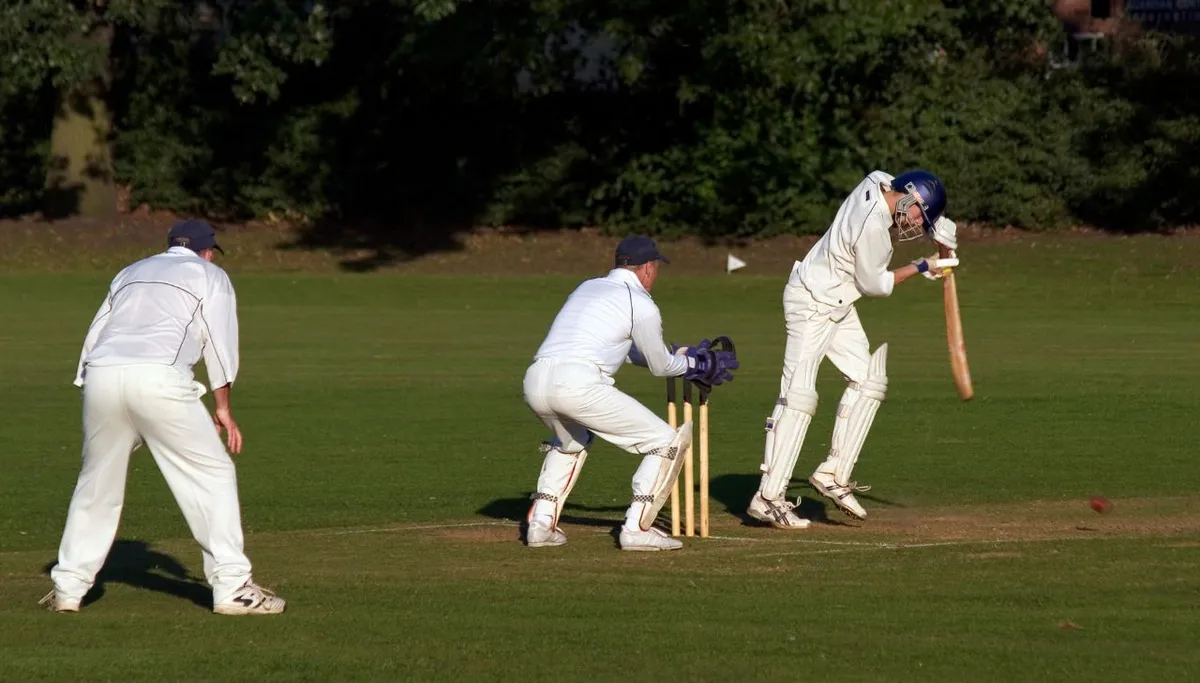
List A gives one-day cricket its own statistical home. Runs, wickets, and averages in these matches build a record kept apart from Tests and T20.
Following domestic cricket, I always check a player's List A record before a one-day call-up. It says far more about their white-ball pedigree than a couple of eye-catching international games.
Selectors think the same way. Heavy List A run-scorers and wicket-takers tend to be the ones who earn a one-day international chance.
List A vs ODI: What Is the Difference?
It is easy to assume List A and ODI mean the same thing, but they do not. Every ODI is a List A match, yet many List A matches are not.
Aspect | List A | ODI |
|---|---|---|
Includes | Domestic one-day and internationals | International matches only |
Overs allowed | 40 to 60, usually 50 | Always 50 |
Scope | The wider category | One type of List A match |
So List A is the wider umbrella, and ODIs are simply its top international layer.
Is List A Cricket Still Relevant Today?
With T20 leagues booming, some argue List A cricket has lost its shine. Franchise tournaments now pull in the crowds, the money, and often the biggest names.
Yet it still matters. Fifty-over cricket is the format of the World Cup, so List A remains the training ground for the game's biggest one-day event. Its future is tied to the fifty-over game itself.
Conclusion
List A cricket comes down to one idea: it is the official top tier of one-day cricket, logged in the record books beside first-class and T20. Once that clicks, the rest, from which matches qualify to why the stats carry weight, falls neatly into place.
Frequently Asked Questions
Q1: Is List A the same as one-day cricket?
A: Almost. List A is the official, high-standard tier of one-day cricket. Casual and lower-level one-day games are still one-day cricket, but they do not carry List A status.
Q2: Does List A cricket include T20?
A: No. T20 is a separate classification with its own records. List A covers only the longer one-day format of 40 to 60 overs a side.
Q3: When was List A cricket introduced?
A: The ICC formally defined List A in 2006. Before that, cricket statisticians had already grouped earlier one-day matches under the same idea.
Q4: Is women's cricket included in List A?
A: Yes. In 2021 the ICC gave top women's one-day matches List A status, so those games and the records in them now count the same way.
Q5: Is a World Cup match a List A match?
A: Yes, for the 50-over World Cup. Those games are One Day Internationals, and since every ODI is a List A match, they carry the status too.