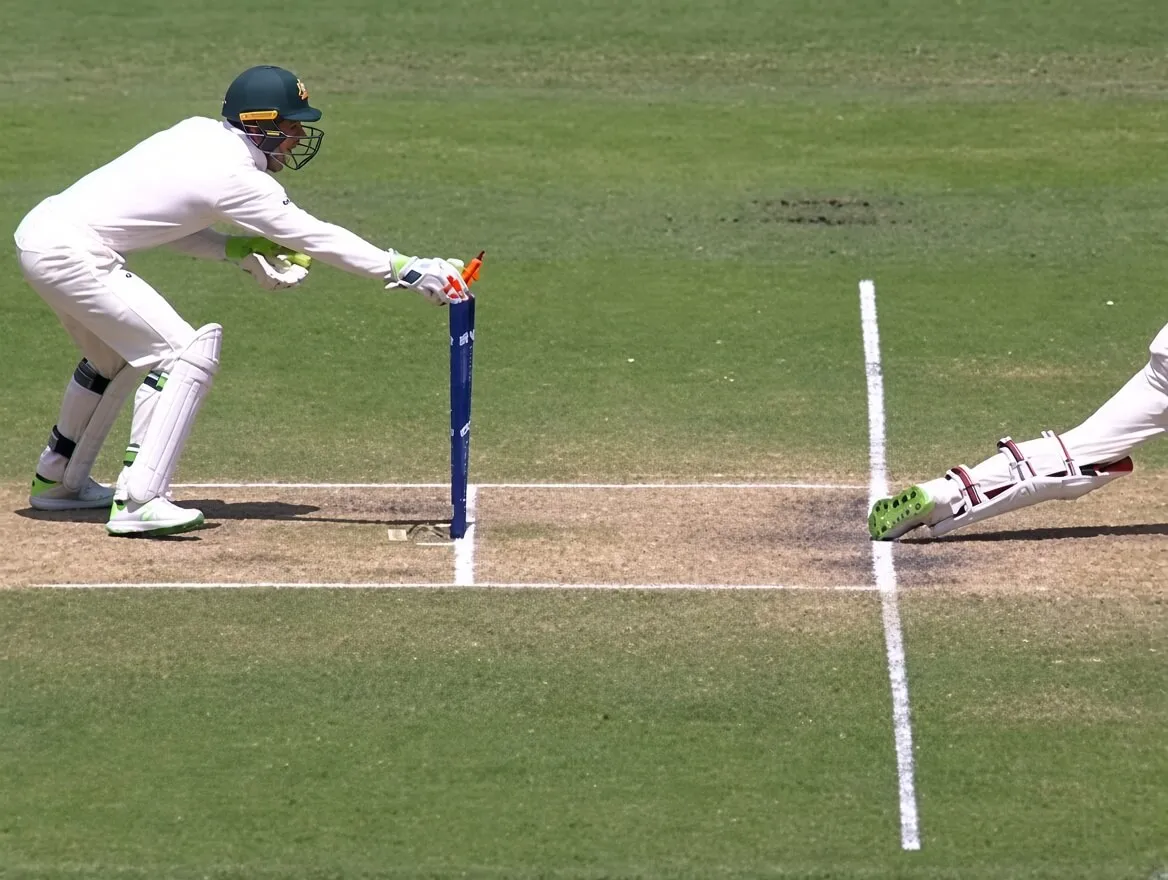
A free hit in cricket is a bonus delivery awarded to the batting side after a no-ball. On a free hit, the batter cannot be bowled, caught, or stumped, so they can swing away with almost no risk.
It is one of limited-overs cricket's most exciting moments. The bowler is punished twice for the no-ball, first with an extra run and a re-bowl, then with a ball the batter is free to attack.
When Is a Free Hit Awarded?
A free hit is given straight after a no-ball in limited-overs cricket, in both T20 and one-day games. The very next delivery becomes the free hit.
Today, any type of no-ball earns a free hit, whatever the reason for the call. You can read more about the no-ball rule itself in our no-ball guide.
How Dismissals Work on a Free Hit:
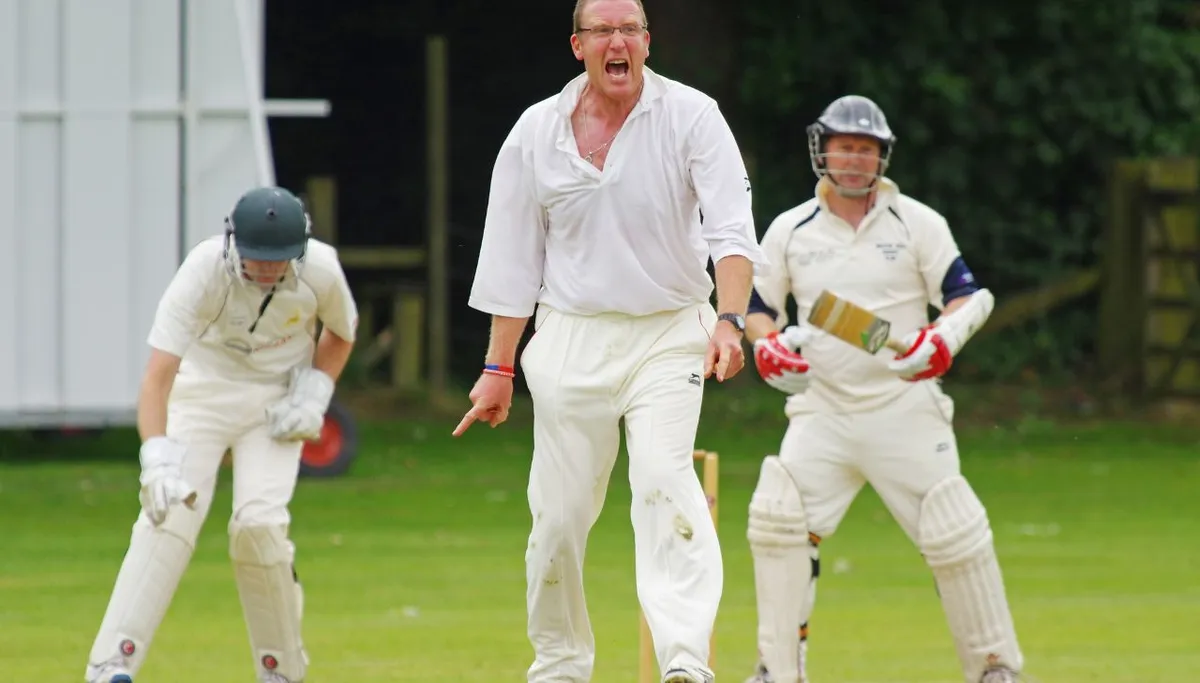
The whole point of the rule is that the batter is almost impossible to dismiss. Only a couple of ways to lose a wicket still apply.
What You Can Be Out From
On a free hit, a batter cannot be bowled, caught, stumped, or given leg before. The one common way to lose a wicket is being run out while going for a run.
Why Batters Attack
Batting in club T20 games, the free hit is the one ball where you can swing without fear. Knowing you can only be run out, you go for your biggest shot, since even a mistimed hit that would normally be caught cannot get you out.
Does the Field Change on a Free Hit?
The fielding side usually cannot change its field for the delivery. It must stay as it was for the no-ball, so the bowler cannot set a special trap.
The one exception is when the striker changes, for example if the batters ran an odd number off the no-ball. The field may then be adjusted for the new batter on strike.
Why the Free Hit Rule Exists:
The rule was brought in to punish no-balls harder and to keep the game moving. Before it existed, a no-ball cost only a single run and a re-bowl.
By giving the batting side a risk-free swing, the rule makes bowlers far more careful about their front foot. It also hands fans a guaranteed moment of drama.
(FAQs):
Q1: Can you be bowled on a free hit?
A: No. A batter cannot be bowled, caught, stumped, or given leg before on a free hit. The only common way to lose a wicket is being run out.
Q2: What happens if the free hit is a no-ball or wide?
A: It carries over. If the free-hit delivery is itself a no-ball or wide, the next ball stays a free hit until a legal ball is finally bowled.
Q3: Do free hits apply in Test cricket?
A: No. Free hits belong to limited-overs cricket, such as T20 and one-day games. In Tests, a no-ball simply adds a run and is bowled again, with no free hit. See our formats guide.
Q4: Does a free hit follow every no-ball?
A: In limited-overs cricket, yes. Every no-ball now brings one. The rule once applied only to overstepping no-balls before being widened to cover them all.
Q5: How does the umpire signal a free hit?
A: The umpire raises one hand above the head and moves it in a circle. It is one of the easiest signals to spot from the stands.