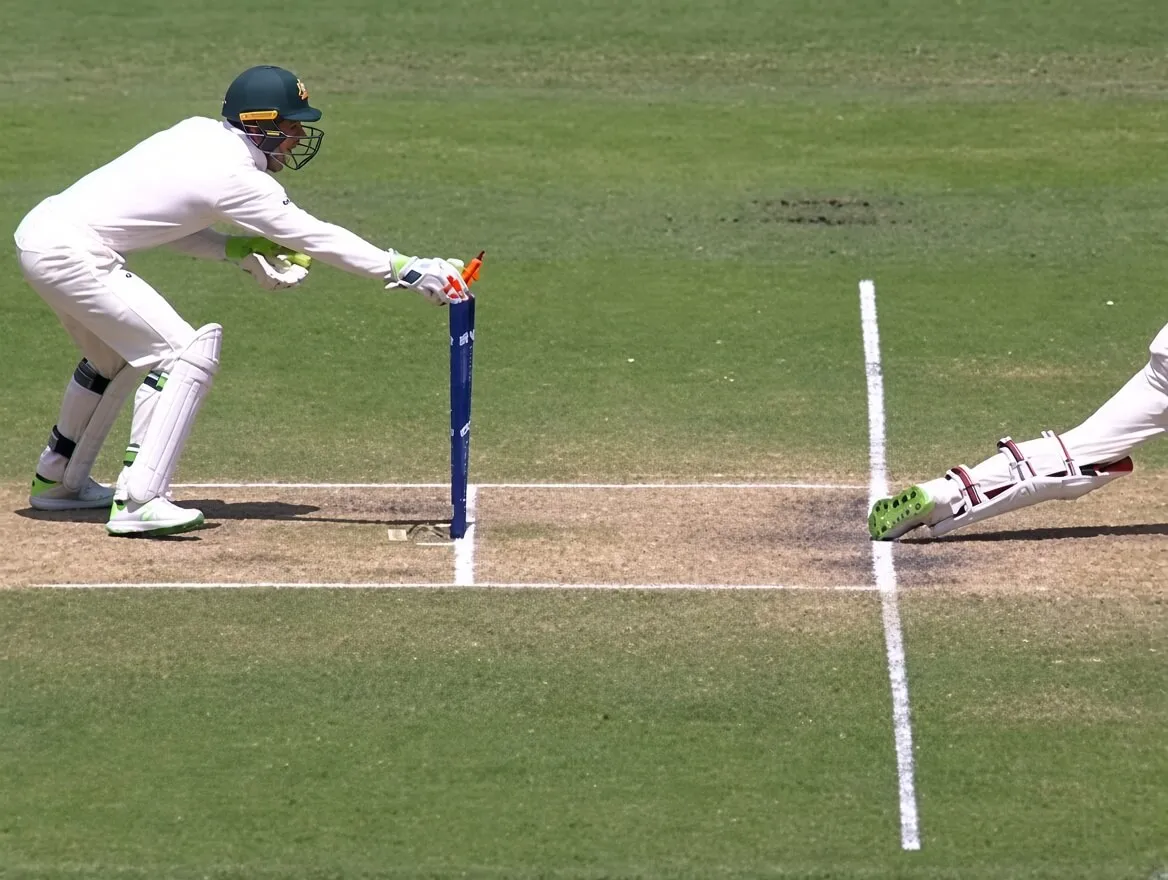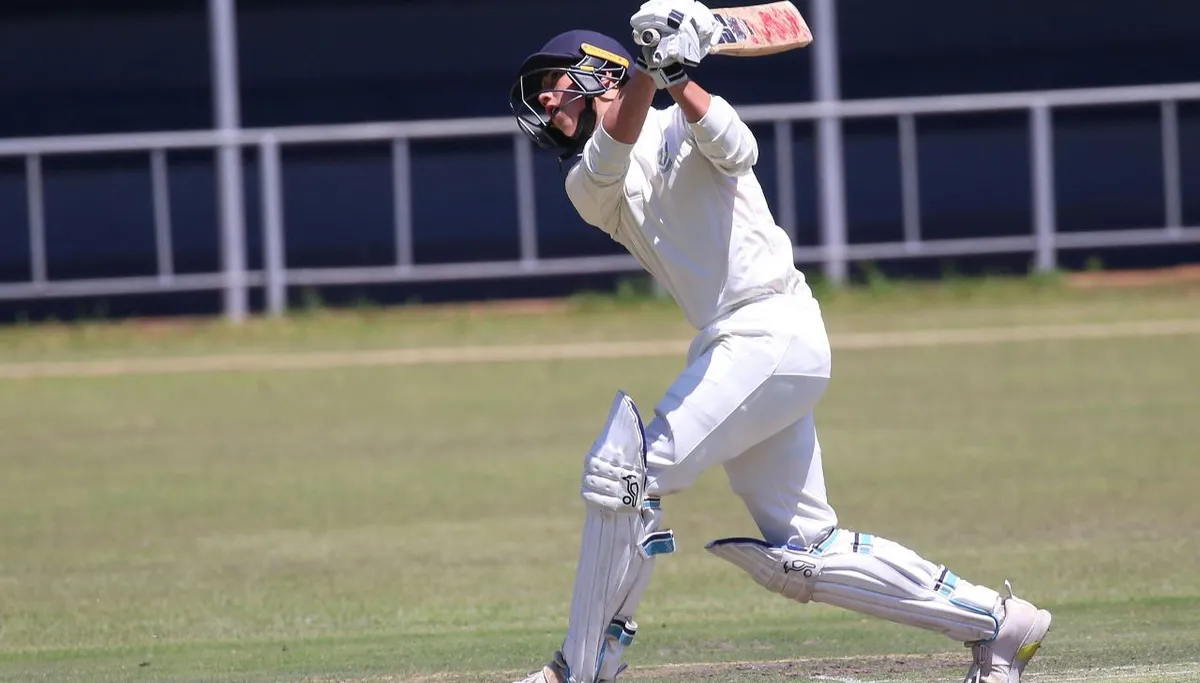
A dead ball in cricket is a moment when the ball is out of play. While it is dead, no runs can be scored and no batter can be dismissed, so nothing that happens counts.
It sounds simple, but the ball can go dead in more ways than most fans realize, some automatic and some the umpire has to call. Knowing the difference explains a lot of the pauses you see in a match.
When Is the Ball Live or Dead?
The ball comes to life the moment the bowler starts their run-up. From then on, runs can be scored and wickets can fall, right up until the ball goes dead again.
Between deliveries, the ball is dead. Play only restarts when the next run-up begins, which is why the action seems to pause and resume with every single ball.
What Makes the Ball Go Dead?
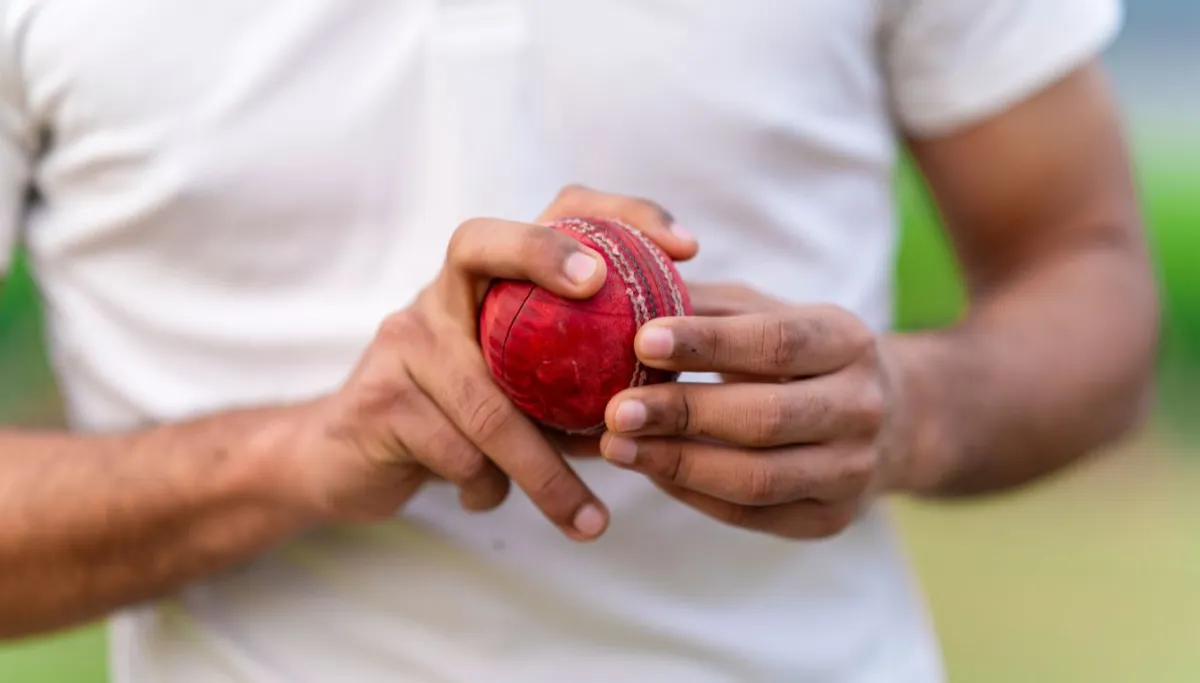
There are two kinds of dead ball. Some happen automatically, while others have to be spotted and called by the umpire.
Automatic, no signal | Called by the umpire |
|---|---|
End of the over | Batter not ready |
A wicket falls | Bowler aborts the run-up |
A boundary is scored | A distraction, like a spectator moving |
Ball settles with keeper or bowler | Ball lodges in kit or a helmet |
Automatic Dead Balls:
These need no signal, because everyone can see play has stopped. The end of an over and a fallen wicket are the most common, and the game simply moves on to the next moment.
Dead Balls the Umpire Calls:
The rest depend on the umpire spotting a problem. Most involve someone not being ready or an outside distraction, and the umpire decides on the spot whether play should be stopped.
How Does the Umpire Signal a Dead Ball?
When a dead ball has to be called, the umpire crosses and waves both hands low in front of the body. It is one of the less common signals, so it often catches newer fans by surprise.
Can Players Call for a Dead Ball?
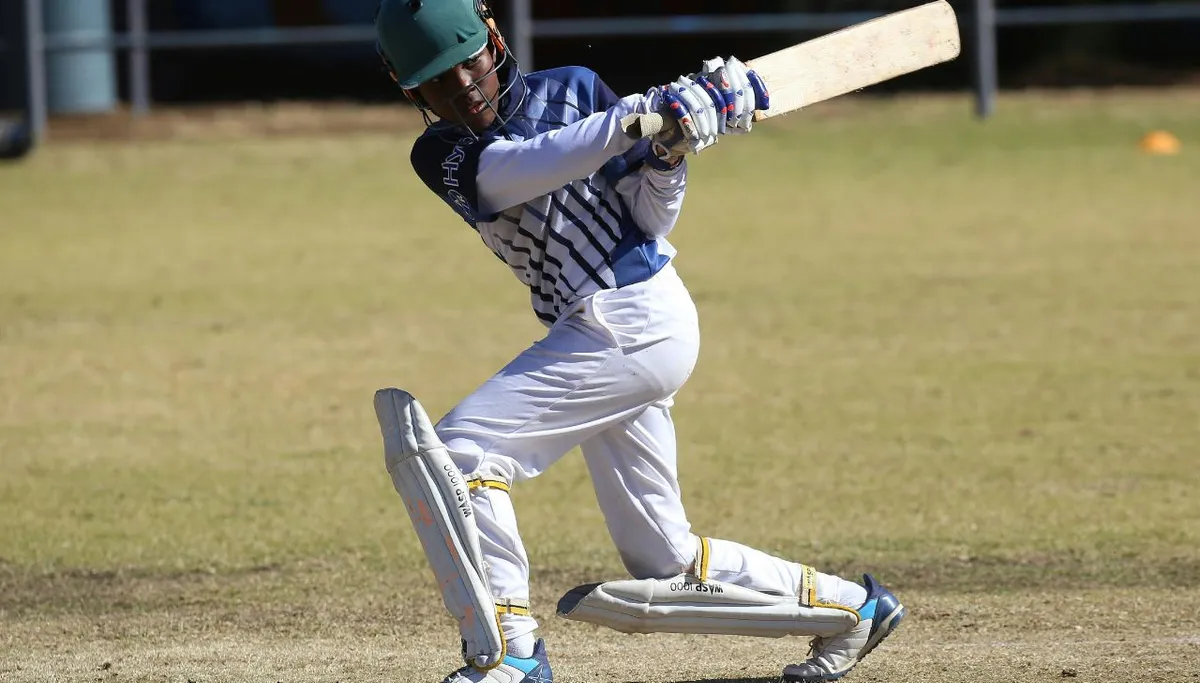
Not directly. Only the umpire can declare the ball dead, so a player cannot simply shout for it and expect play to stop.
What players can do is prompt the call. A batter who backs away, or a bowler who pulls out of the run-up, signals that something is wrong, and the umpire then decides whether to step in.
Why the Dead Ball Rule Matters:
The rule keeps the game fair. Once play has genuinely stopped, a batter cannot be run out after everyone has relaxed, and no freak runs come from a stray moment.
In club cricket, I have seen how quickly things turn messy when a dead ball is not called in time. A batter backs away, someone throws down the stumps anyway, and suddenly there is an argument nobody needed.
Conclusion:
A dead ball is simply cricket's way of pressing pause. Whether it happens on its own or the umpire calls it, the result never changes: play stops, and nothing that follows counts. Once you can spot it, the game's quiet little gaps stop being a mystery.
(FAQs):
Q1: Is a no-ball a dead ball?
A: No. A no-ball is a live delivery, not a dead one. The ball stays in play, runs can still be scored, and in limited-overs cricket it even brings a free hit.
Q2: What happens to runs already taken when the ball goes dead?
A: Any runs completed before the ball went dead still count. Only what happens after the dead ball call is ignored, so batters keep what they had fairly earned.
Q3: Can a batter be out off a dead ball?
A: No. Once the ball is dead, no dismissal can happen. That is why a run out attempt after a dead ball has been called simply does not count.
Q4: What is the most common dead ball?
A: The end of the over. It happens after every six legal balls and needs no signal, since the umpire simply calls "over" and both sides reset for the next one.