A cricket sidearm ball thrower is a light plastic arm that flings a ball down the pitch at real pace. One person can give a batter throwdowns for hours without straining their shoulder, which is why coaches, parents, and players love them. It is the cheap, portable alternative to a bowling machine, and it fits straight into a kit bag.
These sticks are similar in design, so the real differences come down to price, reviews, speed control, and whether a ball is included. Here are the 5 best cricket sidearm ball throwers on Amazon right now - covering the best overall, the best premium, the best for speed control, the best budget, and the best-known brand.
CricketerGuru is reader-supported. Some links below are affiliate links, which means we may earn a small commission at no extra cost to you. See our affiliate disclosure.
Quick Links
# | Product | Buy on Amazon |
|---|---|---|
1: Best Overall | GRS Cricket Side Arm Ball Thrower | |
2: Best Premium | RapidArm USA Cricket Ball Thrower | |
3: Best for Speed Control | Crommie SL Adjustable SideArm | |
4: Best Budget | SNICK Side Arm Ball Thrower Stick | |
5: Best-Known Brand | Leverage SpeedArm Cricket Ball Thrower |
5 Best Cricket Sidearm Ball Throwers:
1. GRS Cricket Side Arm Ball Thrower - (Best Overall):

The GRS is our best overall pick, mainly because it is the most proven sidearm here. It has 125 reviews at a solid 3.9 stars, far more feedback than any rival on this list, so you know what you are getting. Like all sidearms, it is a handheld arm that throws a cricket ball at real pace with very little effort. Its patented finger-cup design holds the ball securely for a clean release. At $36.43 it sits mid-priced for the group.
Pros | Cons |
|---|---|
Suits both juniors and professionals | A 3.9 rating is solid but not the best here |
Works for full-pitch and half-pitch practice | Near-identical in design to cheaper sticks |
Most players master it within minutes | Sold in multicolor only, no color choice |
Delivers consistent pace once you find your action | Still needs practice to place throws well |
2. RapidArm USA Cricket Ball Thrower - (Best Premium):
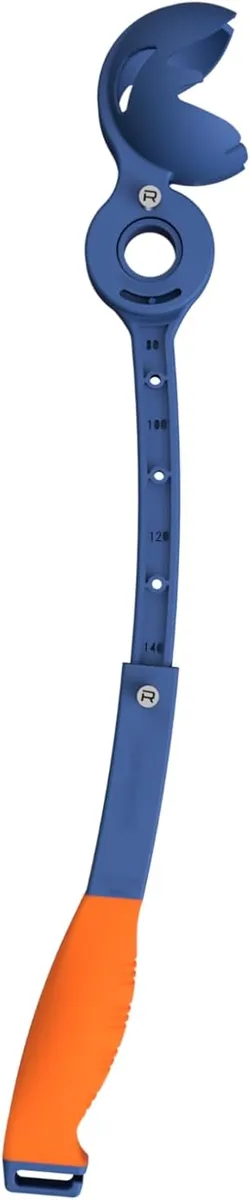
The RapidArm is the premium choice and the highest-rated stick here, with 4.1 stars from 81 reviews. It is also the priciest at $50, but it earns that with features the cheaper sticks skip. The headline one is four adjustable arm lengths, from 35cm to 52cm, so you can raise or lower the speed and distance to match the batter. Free returns are included, which is reassuring at this price. It is aimed at players who practice often and want to fine-tune each session.
Pros | Cons |
|---|---|
Flexible cup fits different ball sizes | Overkill for occasional backyard use |
Ergonomic handle gives a smooth release | Heavier and bulkier than a basic stick |
Reduces fatigue during long sessions | Extra features add little for a total beginner |
Built for regular, committed practice | Still a hand-thrown aid, not a machine |
3. Crommie SL Adjustable SideArm - (Best for Speed Control):
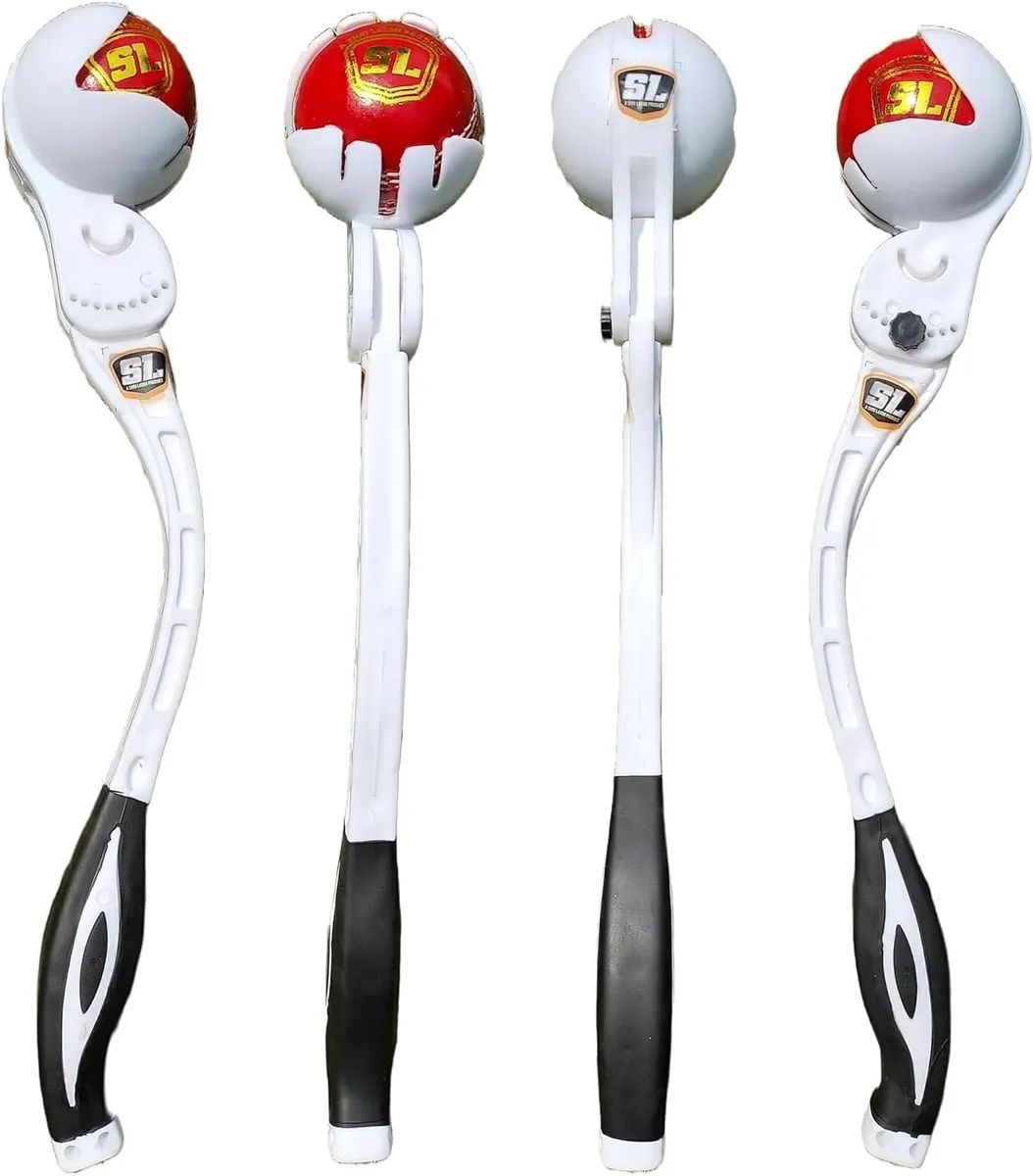
The Crommie SL is the pick if you want to control the pace. It adjusts from 60 up to 160kmph, the widest speed range on this list, so one stick can serve up gentle or genuinely quick deliveries. Its short body gives a natural throwing action, which makes the ball easier to read. At $29.99 it is fairly priced, but it is a newer listing with no reviews yet, so there is little buyer feedback so far.
Pros | Cons |
|---|---|
Works for full-pitch and half-pitch practice | No reviews yet on this listing |
Needs just 30ft of space to use | Works best only with new leather balls |
Light at 150 grams and easy to swing | Aimed mainly at under-16 players |
Simple for coaches, parents, and players | Takes practice to control the release |
4. SNICK Side Arm Ball Thrower Stick - (Best Budget):

The SNICK is the cheapest way into sidearm practice at just $19.99, which makes it a low-risk first buy. It is also the most flexible on balls, working with leather, PVC, softball, and tennis balls, so the one stick covers cricket and casual backyard games. The handle is shaped to be shoulder-friendly, so a parent or coach can feed balls for a while without aching afterward. It is a newer listing with no reviews yet, so there is no track record to check.
Pros | Cons |
|---|---|
Easy to carry and store | No reviews yet on this listing |
Simple for players of any age to operate | Durability is unproven with no feedback |
Consistent throws solo or with a partner | A basic, no-frills design |
Short design helps the batter sight the ball | Takes practice to throw accurately |
5. Leverage SpeedArm Cricket Ball Thrower - (Best-Known Brand)
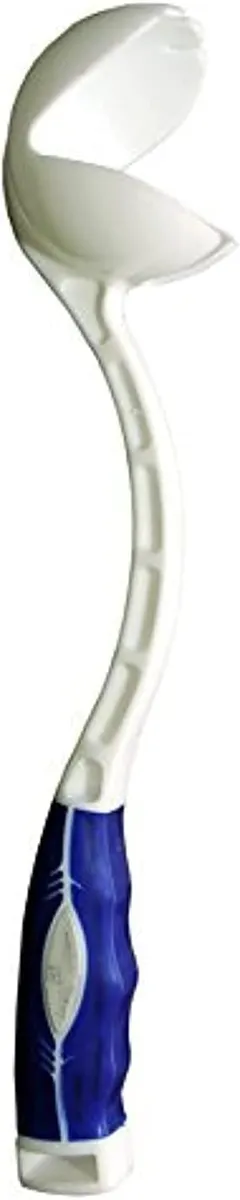
The Leverage SpeedArm is the original sidearm, the design that nearly every other stick here copies, and that heritage is the main reason to consider it. But honesty comes first: it carries the lowest rating on this list, just 2.9 stars from 27 reviews, so read the recent ones closely before you buy. At $32.19 it is priced right in the middle of the group. You are weighing the trust of a familiar name against a review score that sits below its rivals.
Pros | Cons |
|---|---|
Lightest stick here at just 110 grams | Marked non-returnable by the seller |
Flexible synthetic rubber build | Color may vary from the photos |
Rated for players of all ages | Fixed design with nothing adjustable |
Reaches up to 110kmph with little effort | Slower top speed than the adjustable sticks |
Buying Guide: How to Choose a Cricket Sidearm:
What Is a Cricket Sidearm Ball Thrower?
A sidearm ball thrower is a light plastic arm with a cup on the end that holds a cricket ball. You load a ball, swing the arm like a throw, and it flings it down the pitch at pace.
Because the arm is longer than your own, it adds speed. That lets you send down fast deliveries with very little effort, which is the whole point.
It was made as a cheap way for a coach, parent, or teammate to give a batter throwdowns without wearing out their shoulder. Some people call it a speed arm or a "dog stick."
It is one of the most popular practice tools in cricket, because it is small, cheap, and easy to carry anywhere.
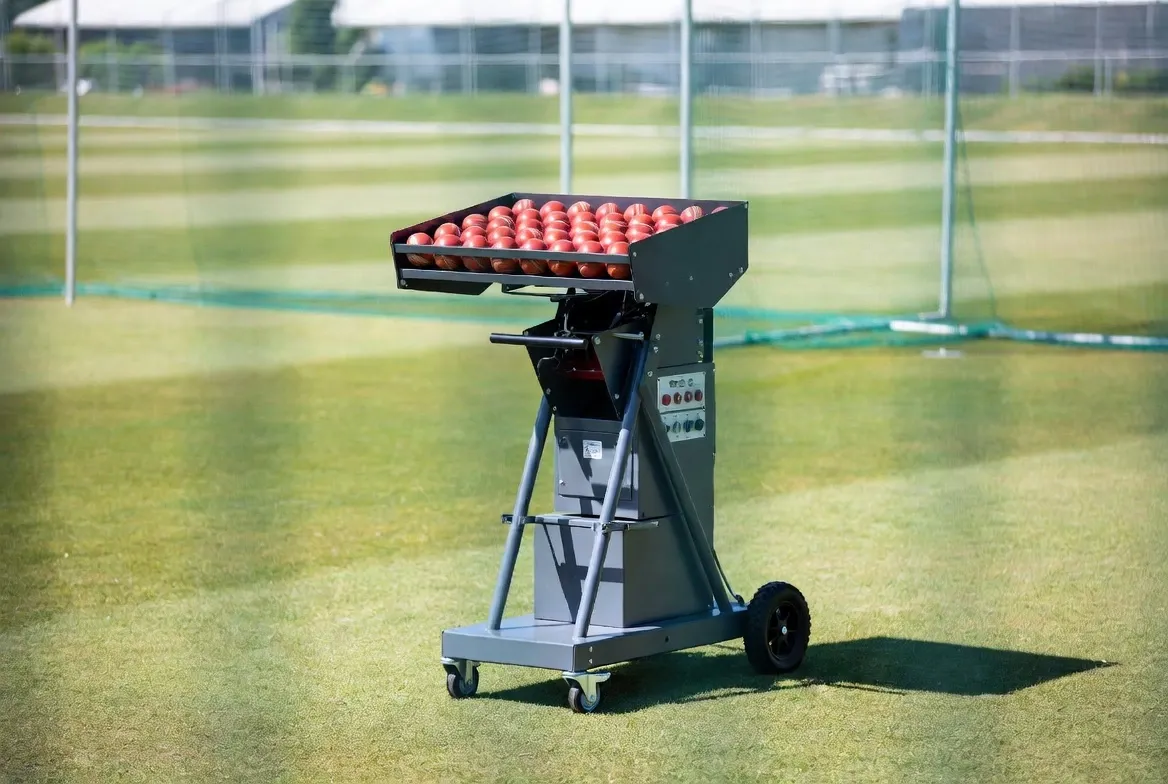
Sidearm vs Bowling Machine
The big question most buyers have is whether to get a sidearm or save up for a bowling machine. A sidearm is cheap, light, and needs no power, so you can use it almost anywhere in seconds.
The trade-off is that it still needs a person to throw. The pace also changes depending on how strong and skilled that thrower is.
A bowling machine is the opposite. It fires the same delivery every time, at a set speed, so it is far more consistent. But it costs much more, needs power, and takes time to set up.
Pick a sidearm for quick, low-cost, flexible practice. If you want machine-like repeatability, see our guide to the best cricket bowling machines.
Speed and Adjustability
How fast a sidearm throws depends on two things: the length of the arm and the strength of your swing. A longer arm creates more speed, which is why some models let you change the length.
Fixed sidearms throw within one broad pace band, set mostly by your action. They are dead simple to pick up and use, with nothing to adjust.
Adjustable ones, like the Crommie SL and RapidArm, let you shorten or lengthen the arm. That raises or lowers the speed and distance to suit the batter.
This matters most when players of different levels share one stick. A junior can use a slower setting while a senior winds it up. If only one person will use it, a fixed model is fine and cheaper.
Ball Type and Fit
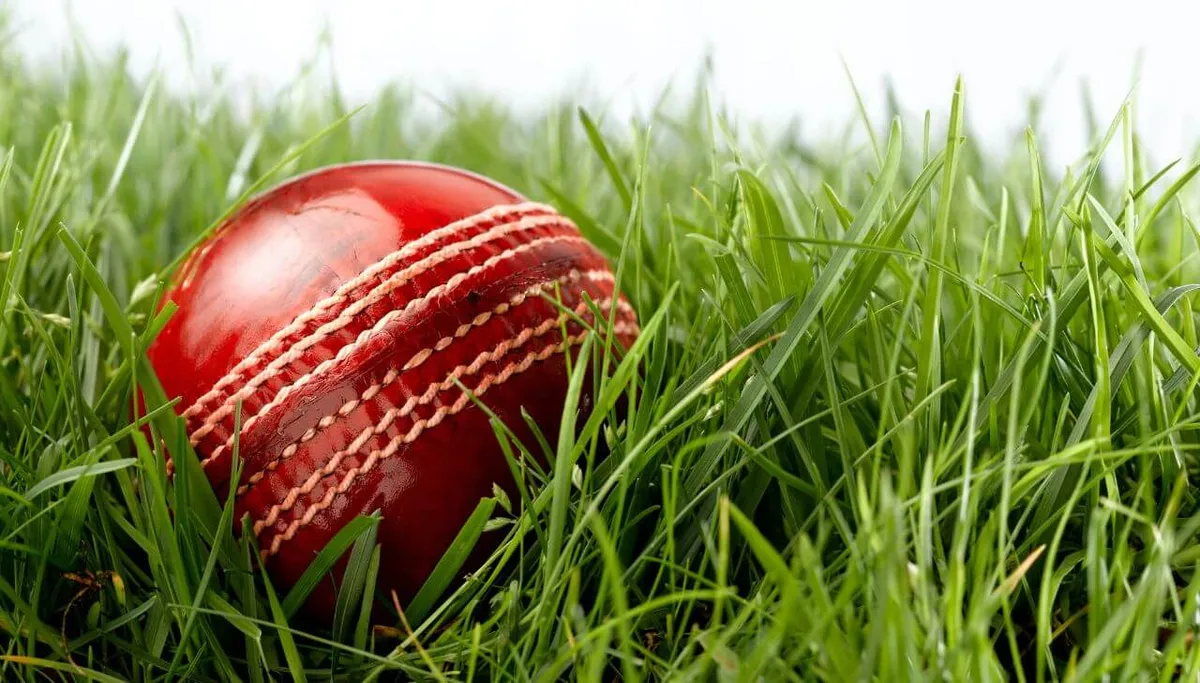
Sidearms are built around the ball that sits in the cup, so ball choice matters more than you might think. Most throw a new leather cricket ball best, because its firm, round shape sits snugly and flies true.
As a ball ages and softens, it can grip the cup less well and fly less accurately.
Many sidearms also handle lighter training balls, like incrediballs or wind balls. Some take tennis balls too, which are handy for indoor or younger practice.
Before buying, check the cup fits the balls you plan to use, because a poor fit costs accuracy. If you will mix ball types, a model that lists several, like the SNICK, is most flexible.
Price
Sidearms are among the cheapest pieces of cricket practice gear you can buy. On this list, prices run from $19.99 for the budget SNICK up to $50 for the premium RapidArm, with most around $30.
For casual backyard or park practice, a sub-$25 stick does the job well and is a low-risk buy.
Pay more only if you want a specific extra, like adjustable speed, a sturdier handle, or the reassurance of a stronger review score.
Even the dearest option here costs a small fraction of a bowling machine, so a sidearm is the most budget-friendly way to add pace.
Getting the Most From Your Sidearm
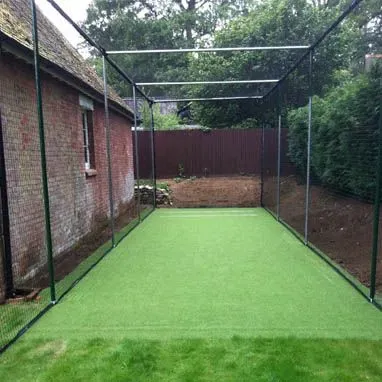
A sidearm works best as part of a simple setup, not on its own in an open field. The main thing you want is a net behind the batter, so every ball is caught, not chased across the grass.
Set the batter up in the net, stand at a safe distance, and feed a steady stream of deliveries. Start slow to find your rhythm.
Then build up the pace and vary your line and length. With practice you can mix full balls, short balls, and even a bit of swing.
Pair your sidearm with a net and you have a cheap, effective practice station. See our picks for the best cricket practice nets.
Frequently Asked Questions
Q1: How do you throw accurately with a sidearm?
A: Sit the ball in the cup with the seam upright, then use a smooth, bowling-like arm action. Aim to land the ball short of a length, and build your placement up slowly. A few sessions is usually enough to get consistent.
Q2: Can juniors use a sidearm safely?
A: Yes, with care. Use a lighter or softer ball and keep the pace low, especially at close range. An adult should supervise young players, and some models are rated mainly for under-16s.
Q3: Can you use a sidearm indoors?
A: Yes, in a sports hall or large garage with enough length. Use a softer training or tennis ball indoors, and watch the ceiling height so lofted or bouncing balls do not cause damage.
Q4: Can a sidearm swing the ball?
A: Yes. By angling the seam as you release, you can make the ball swing and seam a little. It takes practice, but it adds useful variety to throwdowns.
Q5: How long does a sidearm last?
A: A sturdy one lasts years with basic care. The cup and the flex point wear first, so store it out of direct sun and check the cup for cracks now and then.