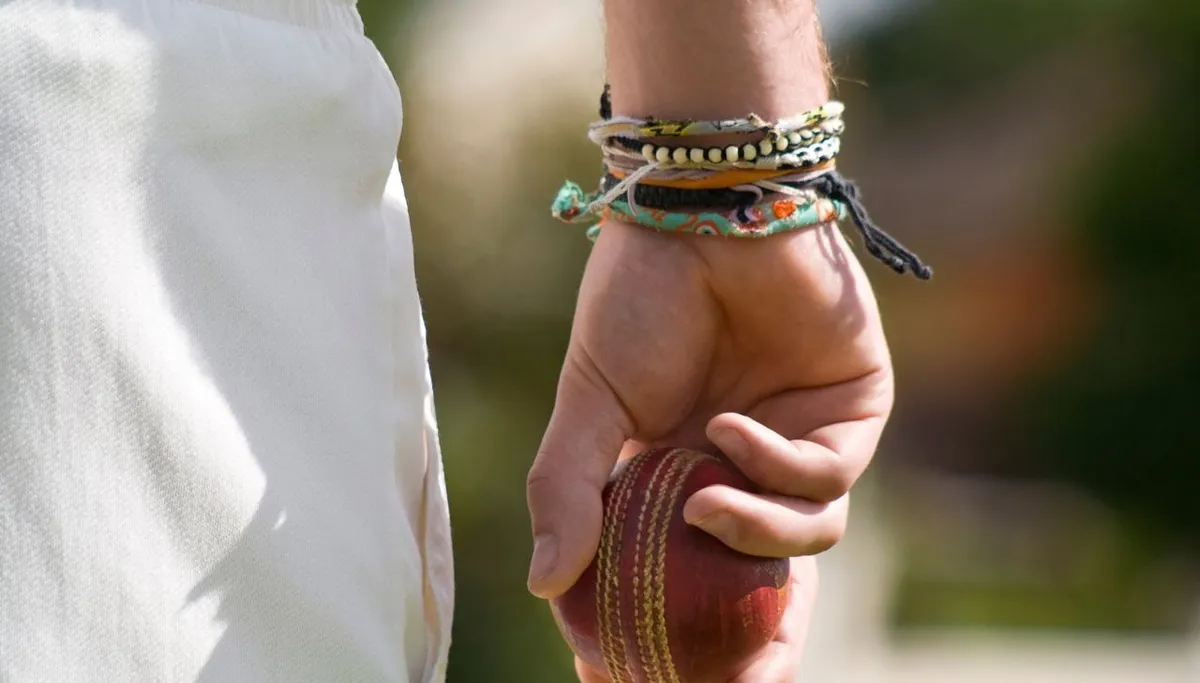
Reverse swing in cricket is when an old ball curves in the air toward its shiny side, the opposite direction to normal swing. It usually happens at high pace with a worn ball, and it can move very late, which makes it dangerous to face.
With normal swing, the ball moves toward its rough side. Reverse swing does the exact opposite, which is where the name comes from. A batter who reads the ball by its shine can be completely fooled.
Conventional Swing vs Reverse Swing:
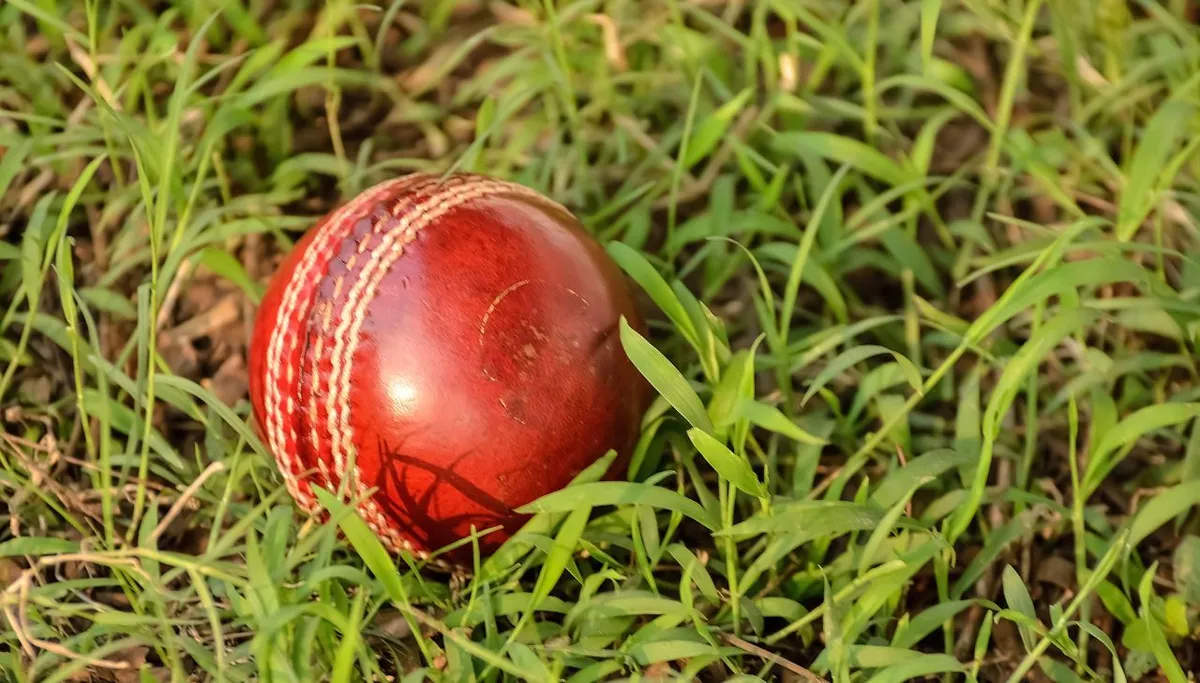
Both types make the ball curve through the air, but they need different conditions and move in opposite directions. Here is how they compare.
Aspect | Conventional Swing | Reverse Swing |
|---|---|---|
Ball needed | Newer ball | Old, worn ball |
Pace needed | Moderate | High, usually |
Swings toward | The rough side | The shiny side |
Difficulty to bowl | Common skill | Hard, expert skill |
How Reverse Swing Works:
Every cricket ball has a shiny side and a rough side. Bowlers polish one side and let the other wear down through the innings.
At normal pace, the air flows smoothly over the shiny side, while the seam roughens the airflow on the other side. This makes the ball swing toward the rough side.
With an old ball at high speed, the air becomes turbulent over both sides before it reaches the seam. Now the seam breaks the airflow away early on its own side, and the ball swings the other way, toward the shiny side.
That flip in direction is the reverse in reverse swing. The same hand and seam position that would swing a new ball one way now swings the old ball the opposite way.
Why It Suits Dry Conditions:
The ball has to be rough and scuffed for reverse swing to work. Hard, dry pitches and abrasive outfields wear the ball down much faster than green, grassy grounds.
That is why reverse swing first became famous on the dry grounds of Pakistan and the wider subcontinent. Bowlers there learned to get the ball reversing far earlier than anyone else.
Who Pioneered Reverse Swing:
Pakistan's fast bowlers are credited with developing it. Sarfraz Nawaz is often named as the pioneer in the 1970s, and Imran Khan then refined the skill and passed it on.
Wasim Akram and Waqar Younis mastered it in the 1990s. Their late reverse-swinging yorkers, which curved in at the batter's toes at high speed, were almost impossible to stop.
Is Reverse Swing Legal?
Yes. Reverse swing itself is completely legal. Bowlers are allowed to polish one side of the ball and let the other side wear down naturally as the game goes on.
What is against the rules is deliberately damaging the ball, scratching it, or using objects to rough up a side. That is ball tampering, and it is banned.
Reverse swing has picked up a bad name at times because some players cheated to produce it faster. Done with natural wear, though, it is a genuine and admired skill.
(FAQs):
Q1: How old does the ball need to be for reverse swing?
A: Traditionally around 40 overs or more, once a side is well worn. In very dry, abrasive conditions, though, skilled bowlers can get an old-looking ball reversing within 15 to 20 overs.
Q2: Why is reverse swing so hard to face?
A: It swings the opposite way to what the ball's shine suggests, and it often moves very late in flight. That gives the batter almost no time to adjust, especially when it is aimed full at the stumps.
Q3: Can spinners bowl reverse swing?
A: No. Reverse swing needs the high pace of a fast bowler to work, so it is not a spinner's weapon. Spinners beat batters with turn and flight instead.
Q4: Is saliva allowed to shine the ball?
A: Bowlers once used saliva and sweat to polish the shiny side. Saliva was banned in international cricket around 2020, so players now rely on sweat alone to keep one side shiny.
Q5: Does reverse swing happen in T20 and ODI cricket?
A: It is far more common in Test cricket, where one ball is used for many overs. One-day cricket uses two newer balls, so they rarely get worn enough to reverse.