A wide in cricket is a delivery bowled too far from the batter to hit with a normal shot. It counts as an extra, so the batting team is given a run and the ball has to be bowled again.
Wides punish loose bowling. They hand the batting side free runs and make the bowler send the ball down a second time, so bowlers work hard to keep their line tight.
How Umpires Judge a Wide:
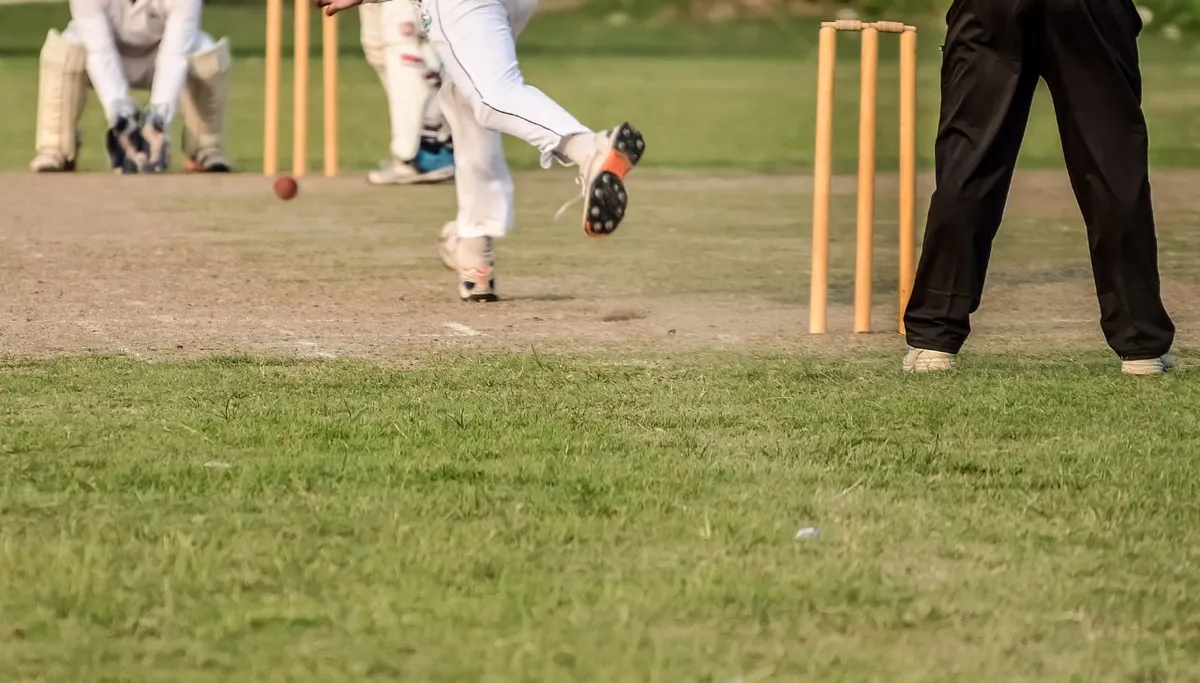
On the off-side, umpires use the wide guide-lines, the small markings on the crease, as their reference. A ball that passes outside them is usually called.
Down the leg side the rule is tighter, since a ball sliding past the batter's legs is nearly impossible to score off.
The batter's position matters too. If they shuffle across or step out, and the ball then passes wide of where they moved to, the umpire may let it go, because the batter opened up that gap themselves.
Strictness also depends on the format. In T20 and one-day cricket almost anything past the lines is called, while Test umpires are far more lenient. A ball over the batter's head is also a wide in limited-overs.
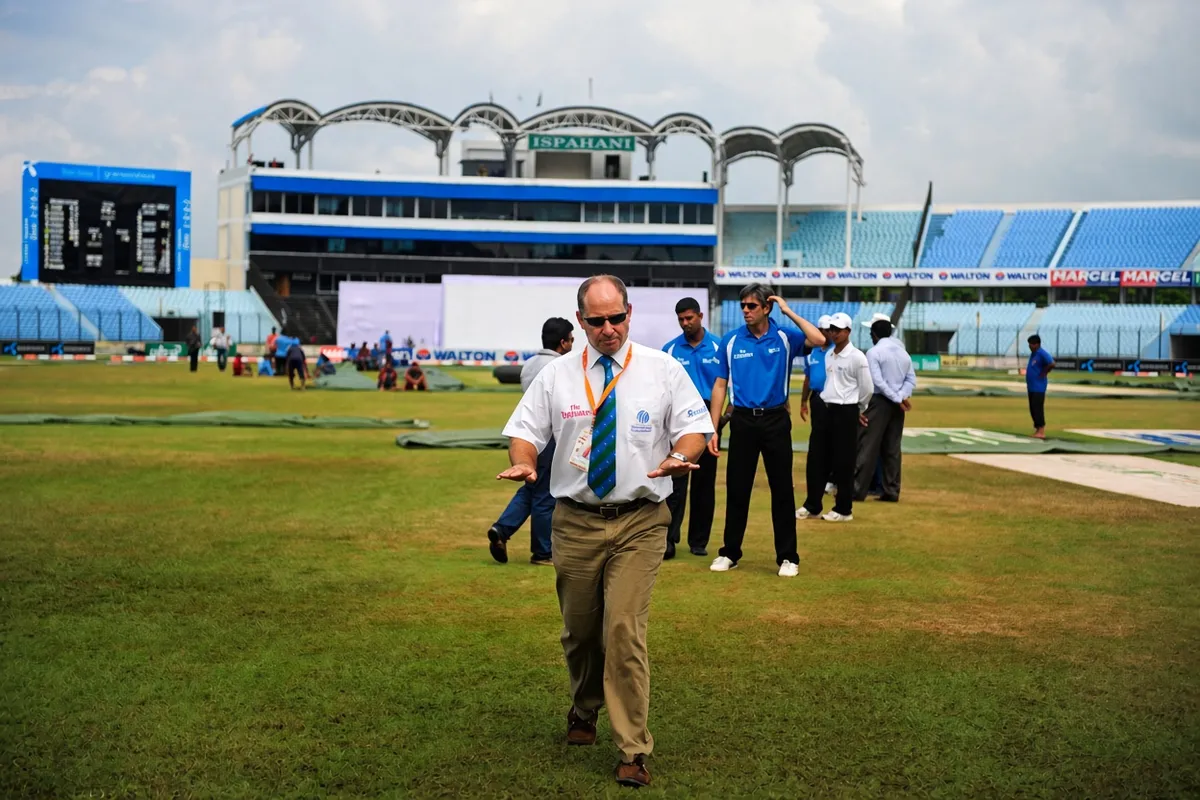
Whatever the reason, the umpire signals a wide by stretching both arms straight out to the sides.
Extra Runs From a Wide:
A wide often costs more than the single run it starts with. While the ball is loose, the batters can run as many as they safely can, and each one is added to the total.
If a wide beats the keeper and races to the boundary, it counts as five: one for the wide plus four for the boundary. That is why a single stray delivery can prove so expensive.
Wide vs No-Ball:
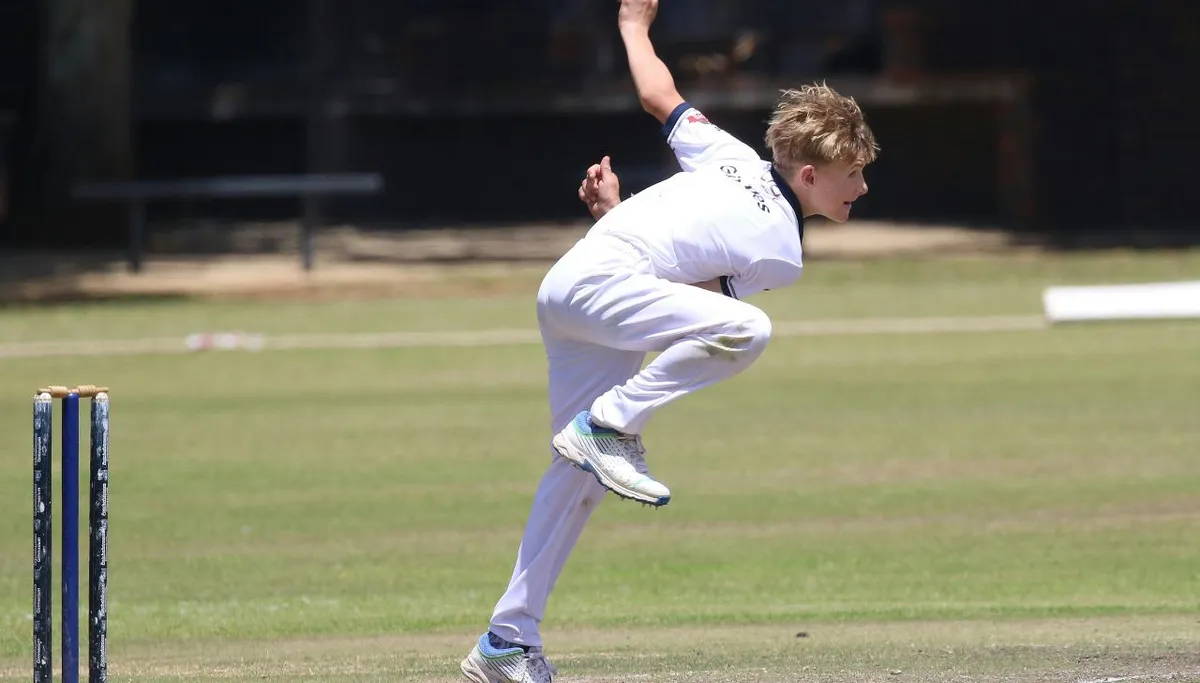
People often mix up wides and no-balls. Both are extras and both must be bowled again, but they are called for different reasons.
Aspect | Wide | No-Ball |
|---|---|---|
Why it is called | Ball too far for the batter to reach | An illegal delivery, such as a foot fault |
Runs to the batting team | One, plus any runs taken | One, plus any runs off the bat |
Ball bowled again | Yes | Yes |
Free hit follows | No | Yes, in limited-overs cricket |
How to Avoid Bowling Wides:
The simplest fix is to bowl at a target instead of just down the pitch. Many bowlers aim at the keeper's gloves or a spot just outside off stump, which keeps the line honest.
Staying calm under pressure matters too. Wides often come when a bowler chases a wicket or reacts to a batter shuffling across, so a repeatable action and a clear plan cut them out.
From my own age-group and club cricket, the wides that crept in were nearly always mental, not technical. The moment I over-corrected because a batter had moved, my line drifted. Picking one target and trusting it fixed more than any change to my action.
Frequently Asked Questions
Q1: Can a batter be out off a wide?
A: Yes, but only in certain ways. A batter can be stumped, run out, or hit wicket off a wide. They cannot be bowled, caught, or given leg before, since the ball was not hit or on target.
Q2: Does a wide count against the bowler?
A: Yes. Unlike byes and leg byes, wides are charged to the bowler and added to the runs they concede. Too many wides can quietly wreck a bowler's economy rate.
Q3: What is the difference between a wide and a bye?
A: A wide is a poor delivery the batter could not reach, and it is charged to the bowler. A bye is a legal ball that passes the batter and keeper for runs, and it is not blamed on the bowler.