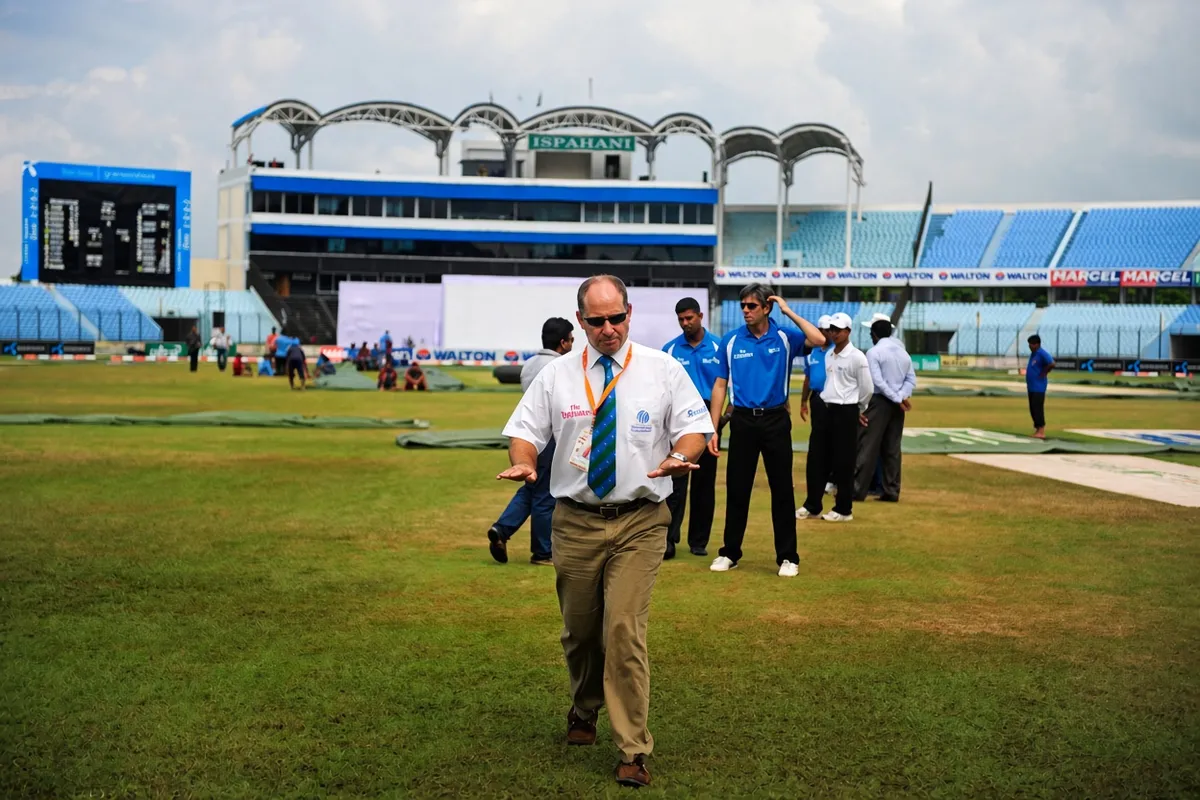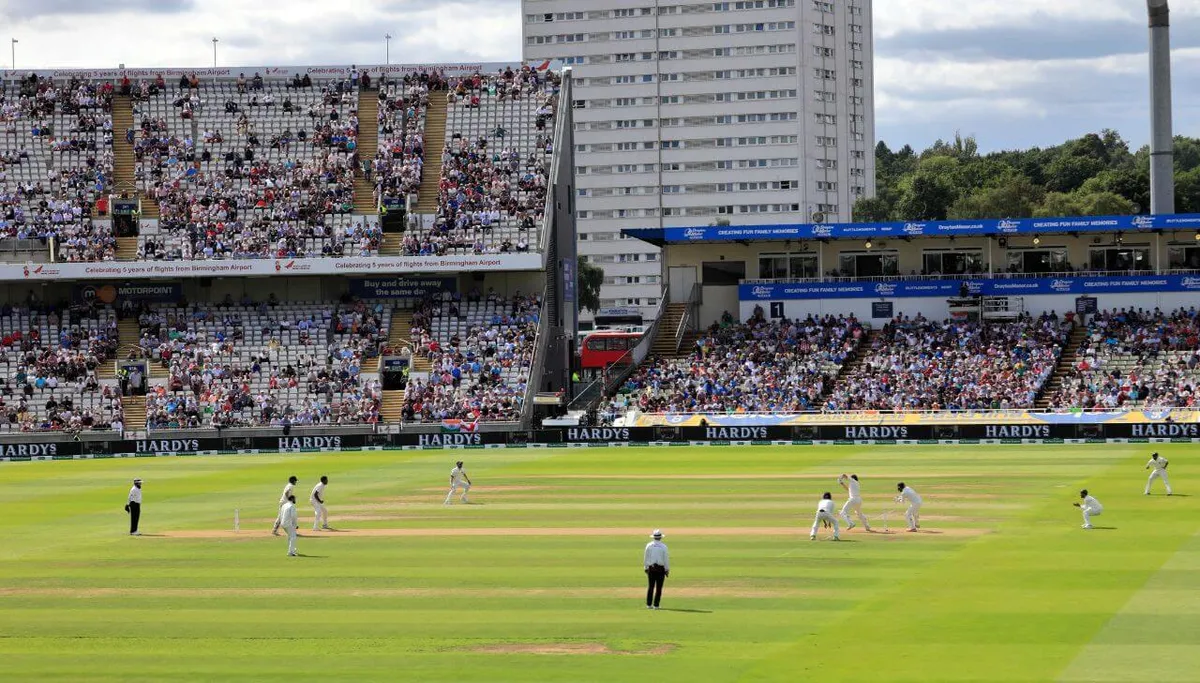
A Super Over in cricket is a one-over tie-breaker used to decide a limited-overs match that ends level. Each team bats a single over of six balls, and whoever scores more runs wins.
It turns a drawn game into a fast, dramatic shootout. With so few balls to play, one big hit or one wicket can decide everything.
How a Super Over Works:
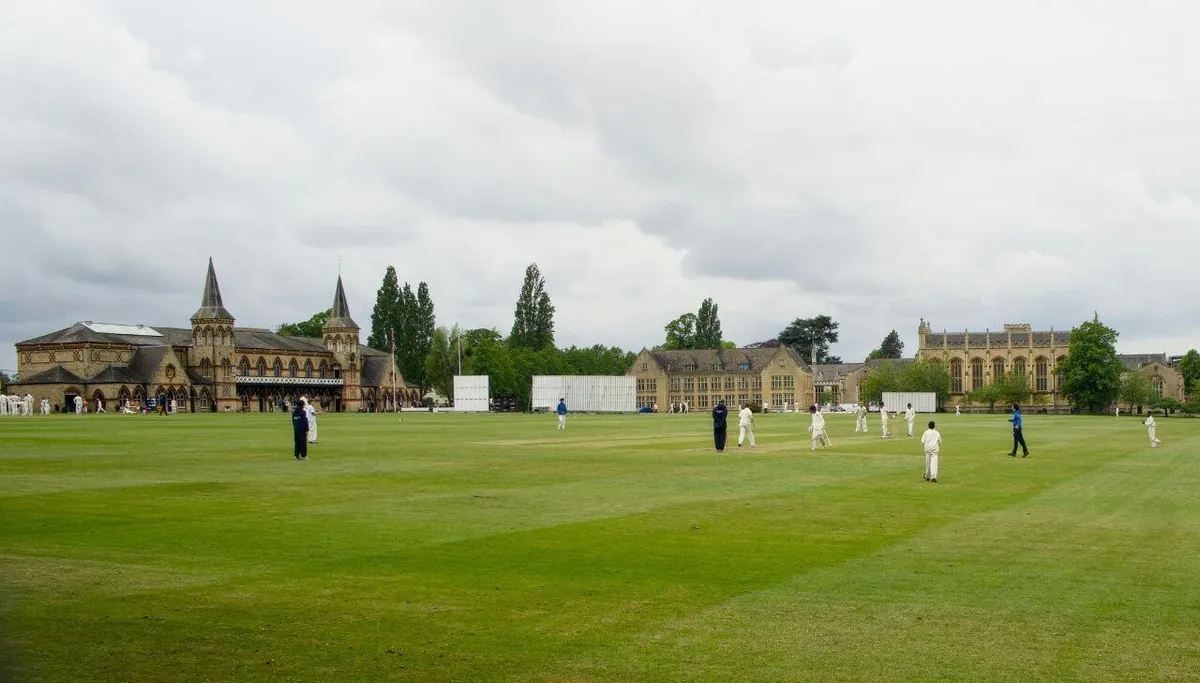
Each team picks three batters and one bowler for the Super Over. The team that batted second in the main match bats first.
A team's over ends after six balls, or as soon as it loses two wickets, whichever comes first. The side that scores more runs in its over wins the match.
Rule | Detail |
|---|---|
Balls per team | Six, a single over |
Wickets allowed | Two, then the over ends |
Batters nominated | Three per team |
Bowlers nominated | One per team |
Winner | The team with more runs |
How Teams Approach a Super Over?
With only six balls, boundaries matter more than anything, so captains send in their hardest hitters, even batters who did not open earlier in the match.
For the bowler, teams usually turn to a death-overs specialist who can land yorkers and slower balls under pressure. Fielders spread out to cut off boundaries and hunt for a run-out, since just two wickets end the over.
What If the Super Over Is Also Tied?
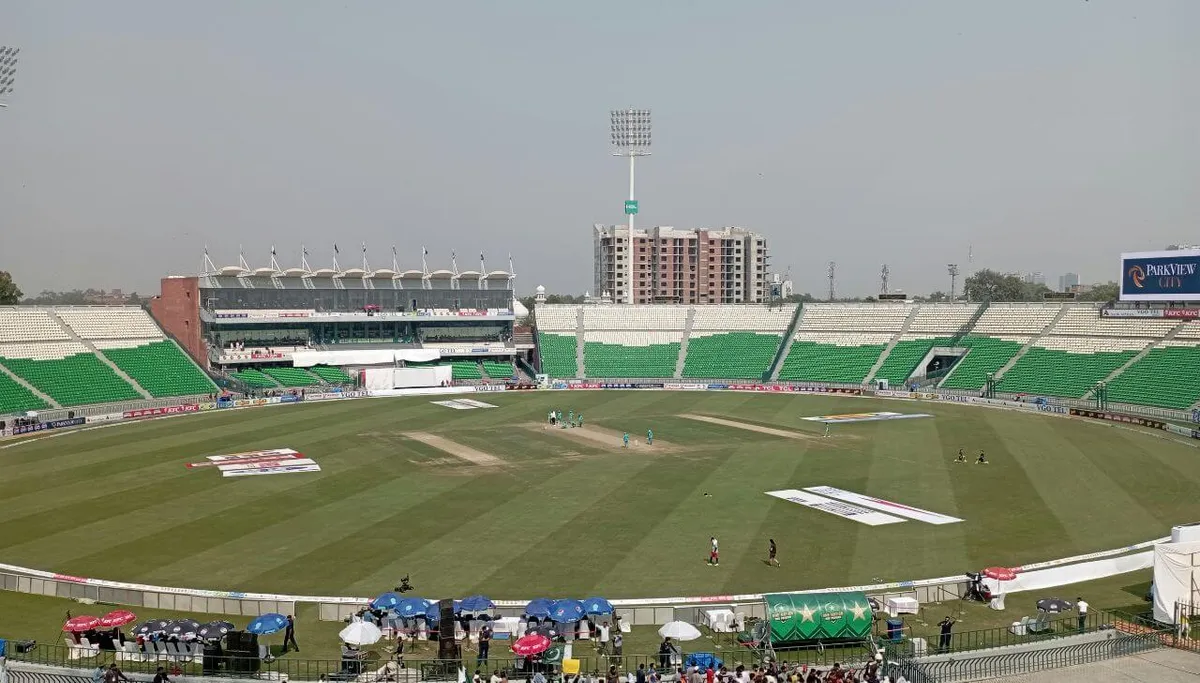
If both teams score the same in the Super Over, another Super Over is played. The teams keep going, one over each, until one of them finishes ahead.
This was not always the rule. An older tie-breaker was dropped after heavy criticism, and repeated Super Overs took its place as the fairer way to find a winner.
Which Matches Use a Super Over?
Super Overs are used in white-ball cricket, mainly T20 and one-day internationals. They matter most in knockout games, where a tie has to produce a winner.
In some league matches, a tie is simply shared, with both teams taking a point. Test cricket has no Super Over, since a tied or drawn Test is a result in itself.
(FAQs):
Q1: Can a batter who was out in the match bat in the Super Over?
A: Yes. The Super Over is a fresh start, so any of the three nominated batters can play, even one who was dismissed in the main innings.
Q2: Can the same bowler bowl the Super Over?
A: Yes. One bowler sends down all six balls, and a bowler who already bowled in the main match is allowed to bowl the Super Over too.
Q3: What was the boundary count-back rule?
A: It was an old tie-breaker that handed the win to the team that had hit more boundaries. It famously decided the 2019 World Cup final before being scrapped.
Q4: Do Test matches have a Super Over?
A: No. Super Overs belong to limited-overs cricket. A tied Test is a rare and celebrated result on its own, and a drawn Test simply ends with no winner.
Q5: How long does a Super Over take?
A: Only a few minutes of play. Each team faces just six balls, so a Super Over is usually done within fifteen to twenty minutes, including the change of innings.