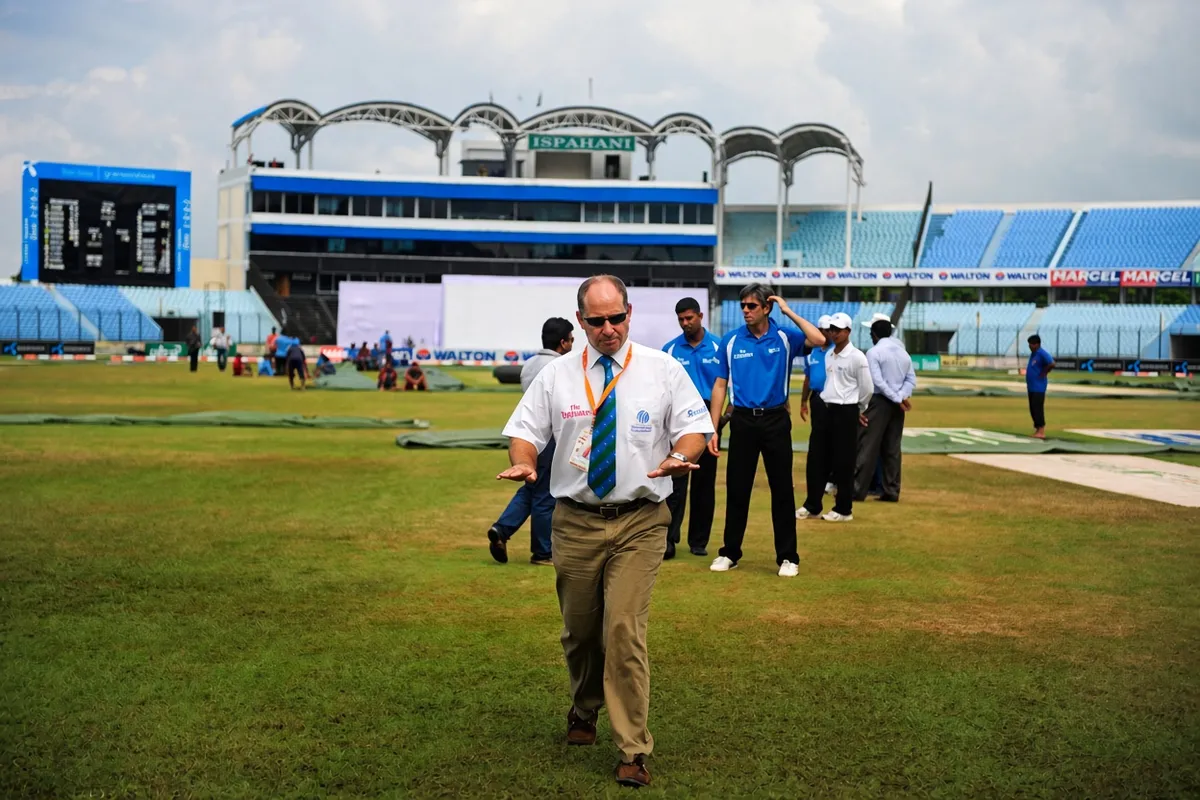
A powerplay in cricket is a set block of overs at the start of a limited-overs innings when the fielding team is allowed only a small number of fielders outside the 30-yard circle. With the field pulled in close, the batting side has gaps to hit through and can score quickly, which is why the powerplay usually brings the most boundaries in an innings. Powerplays are used in one-day (ODI) and Twenty20 (T20) cricket, but not in Test matches.
How the Powerplay Works:
Normally a captain can spread fielders all around the ground to cut off runs. During a powerplay, that freedom is taken away. Only a set number of fielders - usually just two - are allowed to stand outside the 30-yard circle, so the rest must field close to the bat inside the ring. That leaves big gaps in the deep, so batters can go over the top or find the boundary more easily. One more rule always applies alongside it: no more than two fielders can stand behind square on the leg side, which stops teams from packing that area.
What Is the 30-Yard Circle?
The 30-yard circle is the oval marked on the field, made up of two half-circles measured 30 yards from each middle stump and joined by straight lines. It splits the field into an inner ring and the outfield. Fielding restrictions in a powerplay are all based on how many players are allowed outside this circle, so it is the key line that decides where fielders can stand.
Powerplay Overs in ODIs and T20s:

The number of powerplay overs and how many fielders are allowed out depend on the format. A 50-over ODI has three fielding phases, while a 20-over T20 has one short powerplay at the start. Here is how they compare.
Format and phase | Overs | Fielders allowed outside the circle |
|---|---|---|
ODI - Powerplay 1 | Overs 1-10 | 2 |
ODI - Middle overs | Overs 11-40 | 4 |
ODI - Final overs | Overs 41-50 | 5 |
T20 - Powerplay | Overs 1-6 | 2 |
T20 - Rest of innings | Overs 7-20 | 5 |
So, in both formats the tightest restriction comes right at the start, when only two fielders can patrol the deep. In an ODI the field is then let out in two steps, while a T20 opens up to five after the sixth over.
Why the Powerplay Matters:
The powerplay sets the tone for the whole innings. Because the field is up, it is the easiest time to score fast, so a good start here can build a big platform. It also raises the risk: with catchers in close and gaps in the deep, a batter who mistimes a big shot can hole out. Teams that get through the powerplay without losing many wickets, while still scoring at a healthy rate, usually set up the strongest totals.
Powerplay Strategy: Batting vs Bowling:
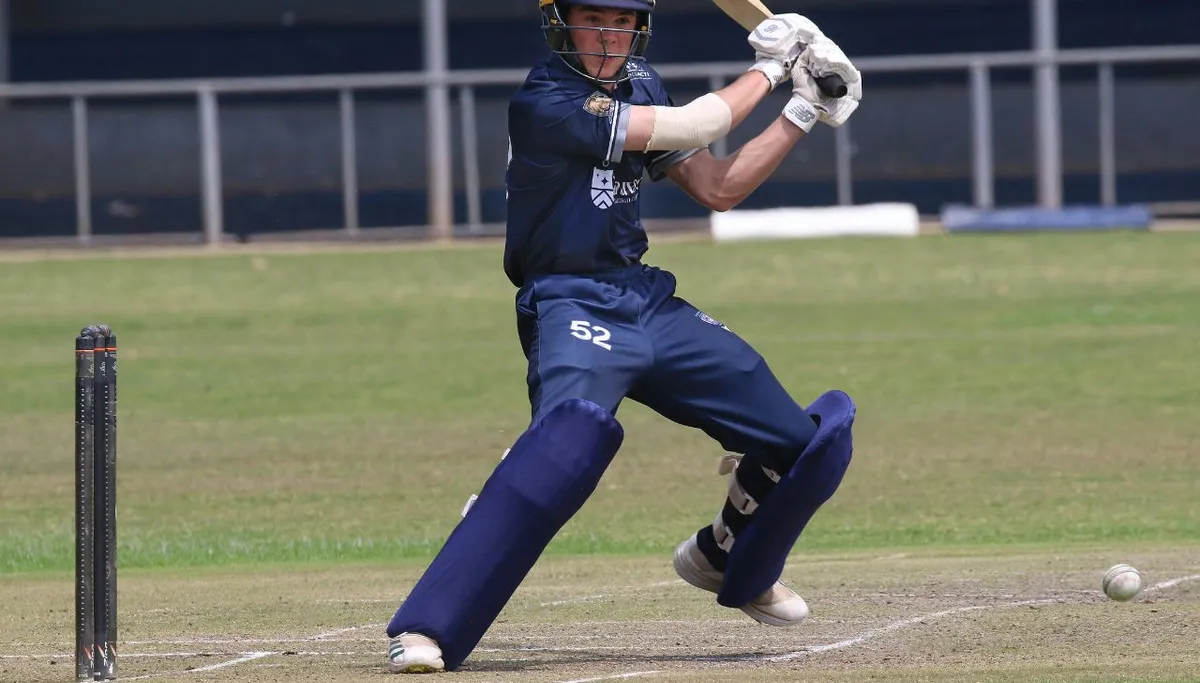
Both sides plan carefully for these overs, and their goals pull in opposite directions.
For the batting side, the aim is to cash in while the field is up. Openers look to hit through or over the inner ring, target the gaps, and take a few calculated risks, since fewer fielders are protecting the boundary. Some teams go all-out for a fast start; others send in a steady opener to keep wickets in hand and attack later.
For the bowling side, the powerplay is the best chance to strike early. Captains bring in close catchers, use their sharpest new-ball bowlers, and hunt for swing or seam movement while the ball is hard and new. Taking a wicket or two in this phase can slow the whole innings down, because the new batter has to start against an attacking field.
How Powerplays Have Changed:
Fielding restrictions in the opening overs have existed for decades, but the word "powerplay" and the block system arrived in ODIs in 2005. For a few years the rules were more complex, and even included a "batting powerplay" - a five-over block the batting team could choose when to take. That was dropped in 2015, when the rules were simplified into the current phases. T20 cricket has always kept it simple with a single six-over powerplay at the start of each innings.
(FAQs):
Q1: How many overs is a powerplay?
A: It depends on the format. A T20 powerplay is the first 6 overs. An ODI is split into phases: overs 1-10 have the strictest restriction, then the field opens up over overs 11-40 and 41-50.
Q2: How many fielders are allowed outside the circle in the powerplay?
A: Just two. In both the T20 powerplay and the first 10 overs of an ODI, only two fielders may stand outside the 30-yard circle, so the rest field close to the bat.
Q3: Is there a powerplay in Test cricket?
A: No. Powerplays and these fielding restrictions apply only to limited-overs cricket, meaning ODIs and T20s. In Test matches the captain can set the field however they like.
Q4: What was the batting powerplay?
A: It was a five-over block that the batting team could choose to take at a point of their choosing, used in ODIs between 2008 and 2015. It was scrapped in 2015 when the powerplay rules were simplified.
Q5: Why do teams score faster in the powerplay?
A: Because only two fielders are allowed in the deep, the outfield is wide open. Batters can loft the ball over the inner ring or push it into the gaps for boundaries far more easily than when the field is spread.