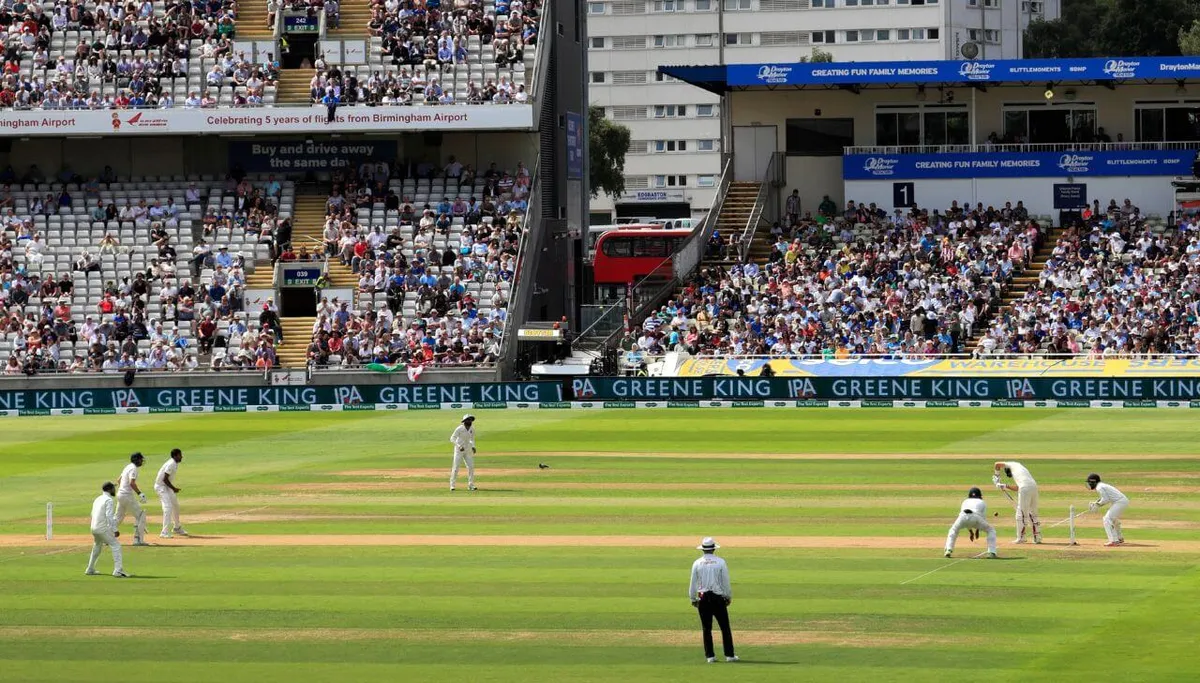
The follow-on in cricket is when the team batting first, having built a big enough lead, makes the other team bat again straight away rather than batting themselves. It applies only in Tests and other multi-day cricket.
It is the leading captain's choice, and it is a way to press home an advantage and push for a win. The trailing team suddenly has to bat twice in a row, under real pressure.
When Can a Team Enforce the Follow-On?

A team can only enforce the follow-on if it leads by a set number of runs after the first innings. That margin depends on how long the match is scheduled to last.
Match length | Lead needed to enforce it |
|---|---|
5 days or more (Test) | 200 runs |
3 to 4 days | 150 runs |
2 days | 100 runs |
1 day | 75 runs |
So in a five-day Test, the team batting first must lead by at least 200 runs after both sides have batted once to have the choice.
Why a Captain Enforces It:
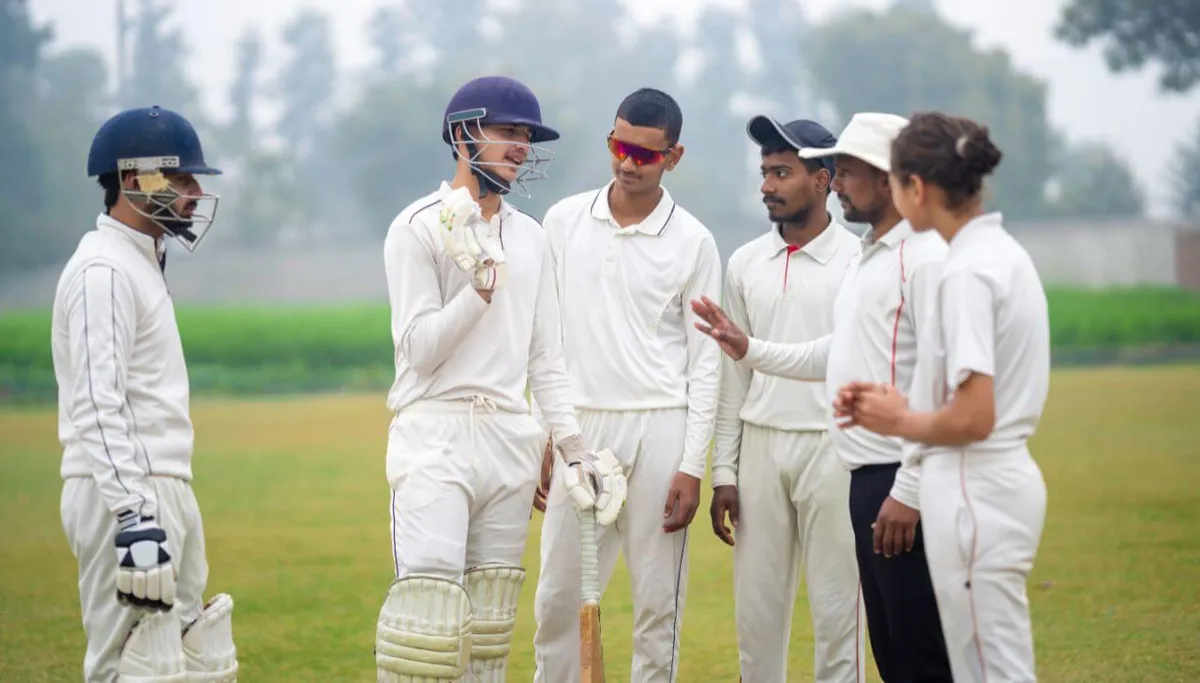
The main reason is to win faster. Making the opposition bat again keeps them under pressure and can wrap the match up well inside the scheduled days.
It also helps when rain threatens or the pitch is breaking up. A worn surface is hard to bat on, so sending the opposition back out on it can bring quick wickets.
Why a Captain Might Not Enforce It
Enforcing the follow-on is not always the smart move. Bowling a side out twice in a row is tiring, so a captain may choose to bat again to rest the bowlers and build an even larger lead.
There is also a real risk. If the plan backfires, the team that enforced it can end up batting last on a worn, difficult pitch, which is the hardest time of all to bat.
Watching Test cricket over the years, this has become one of my favorite calls to argue about. Ever since India stunned Australia in 2001 after following on, most captains I have seen would rather bat again and stay safe than take that risk.
What Is an Innings Defeat?
If the team following on is bowled out a second time and still has not passed the other team's first-innings total, it loses by an innings.
For example, a side that trails by 250 and is then bowled out for 200 loses by an innings and 50 runs. The winning team never has to bat again.
(FAQs):
Q1: Does the follow-on apply in one-day cricket?
A: No. It only exists in multi-innings cricket, such as Tests and first-class matches. Limited-overs games give each side a single innings, so there is nothing to follow on from.
Q2: Has a team ever won after following on?
A: Yes, but it is extremely rare, happening only a handful of times in Test history. The most famous cases are England in 1981 and India in 2001, both against Australia.
Q3: Who decides whether to enforce the follow-on?
A: The captain of the team that batted first and holds the lead. It is entirely their call, and it is often one of the most debated decisions of a whole match.
Q4: Does the team enforcing the follow-on bat again?
A: Only if they need to. If the following-on side sets them a target, they bat a final innings to chase it. If they win by an innings, they do not bat again at all.
Q5: How often is the follow-on enforced today?
A: Less than it once was. Since India's 2001 win, many captains prefer to bat again, rest their bowlers, and set a large target rather than risk batting last.