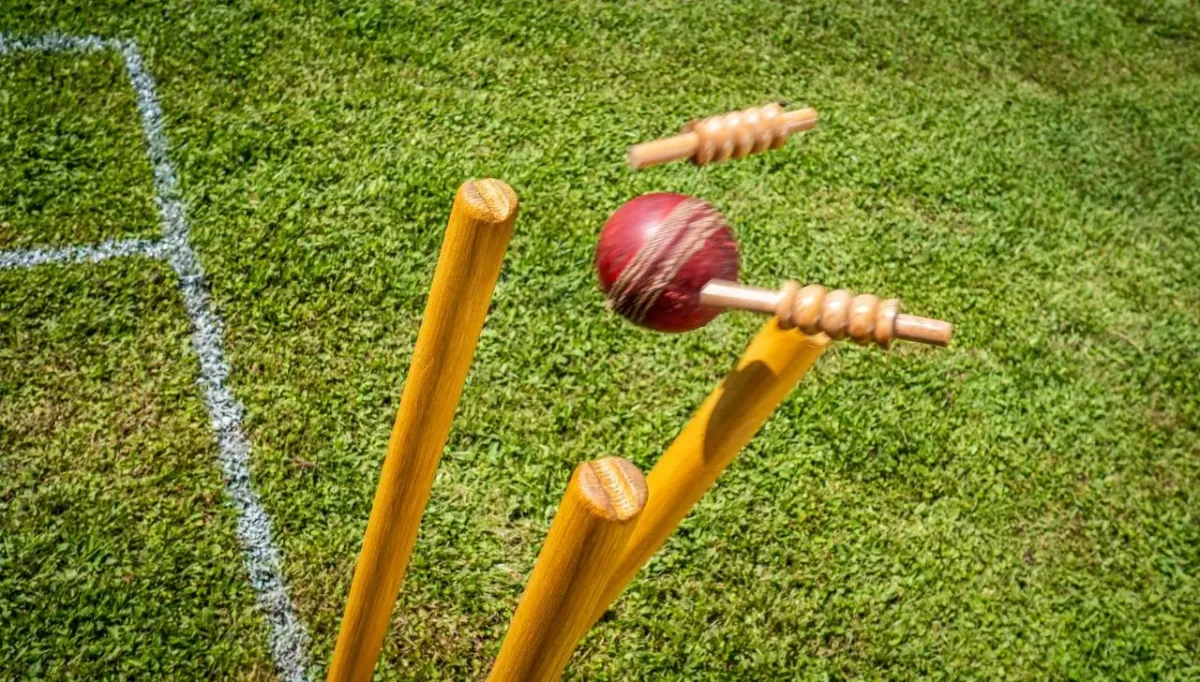
A bouncer in cricket is a fast, short-pitched delivery that bounces high off the pitch and rises sharply toward the batter's head or chest. Fast bowlers use it to intimidate the batter and force a hurried, defensive response.
It is one of the fast bowler's most feared weapons. A well-aimed bouncer can rush a batter into a mistake, or simply make them think twice about coming forward to the next ball.
Why Bowlers Bowl Bouncers:
The bouncer is as much about the mind as the wicket. It puts doubt in the batter's head and keeps them from settling into an easy rhythm.
Bowlers also use it to set a trap. A few short balls push the batter onto the back foot, so a fuller ball next can catch them out of position.
It can take a wicket directly too. A batter who tries to hook or pull a bouncer may top-edge it high in the air for a waiting fielder to catch.
How to Play a Bouncer:
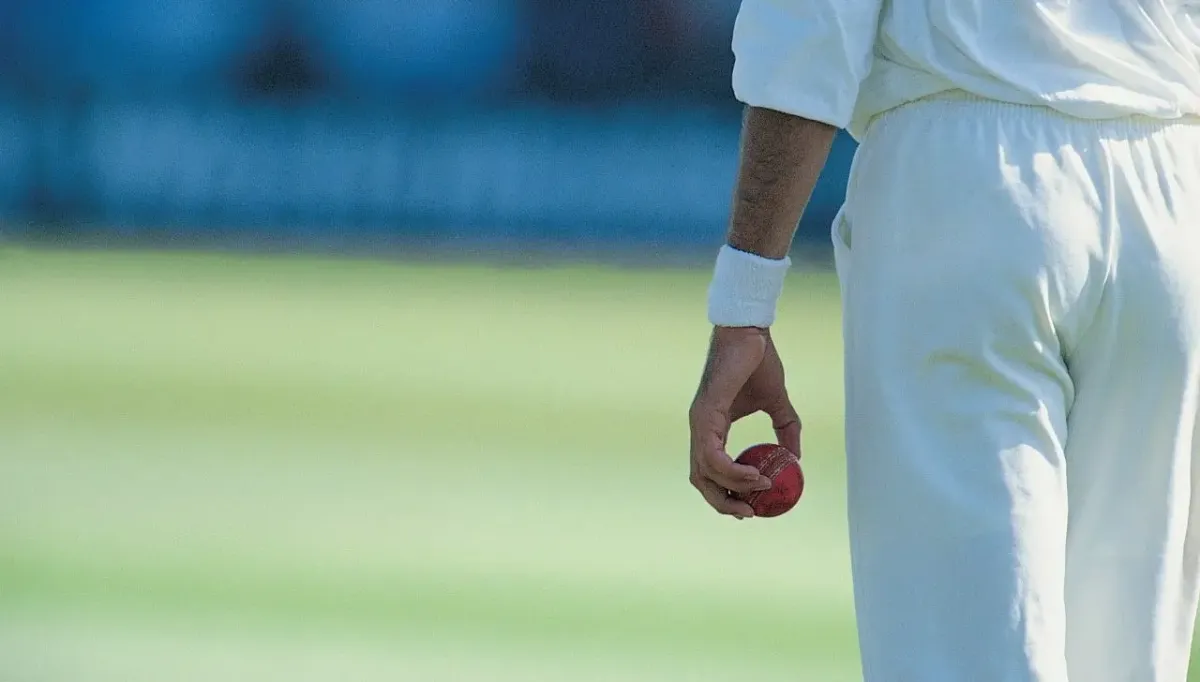
A batter has several ways to deal with a bouncer, from safe evasion to risky attack. The right choice depends on the ball's height and the batter's confidence.
Response | When to use it |
|---|---|
Duck | The ball is too high to hit, so drop under it |
Sway | Move your head out of the line and let it pass |
Pull | The ball is near chest height and can be swung to the leg side |
Hook | A risky attacking shot at a ball near head height |
Leave | Take no shot at all, the safest option of all |
From Experience: Facing a Bouncer:
Having faced my share of quick bowling in age-group and club cricket, the biggest lesson is to decide early. The batters who get hit are usually the ones caught in two minds, half ducking and half playing.
My advice is simple: watch the bowler's hand, keep your eyes on the ball as long as you can, and when in doubt, sway out of the line rather than risk a hook. There is no shame in leaving a bouncer alone.
How Many Bouncers Are Allowed?
A bouncer is defined as a ball that passes above the batter's shoulder height as they stand upright at the crease.
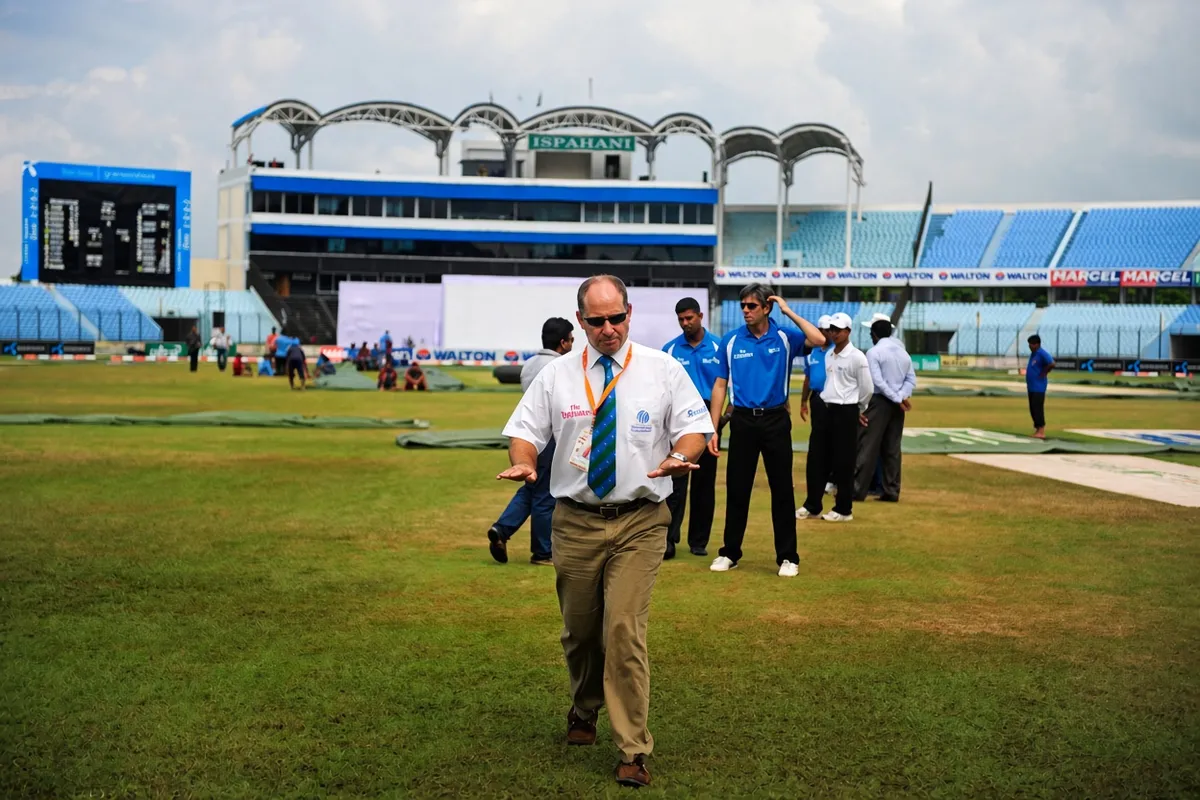
Umpires limit them to stop bowlers overdoing it. In Test cricket, a bowler is usually allowed two bouncers per over. Bowl a third and it is called a no-ball.
In limited-overs cricket, a ball passing over the batter's head is often called a wide. Umpires can also step in if short-pitched bowling becomes dangerous, especially against a lower-order batter.
Bouncer vs Beamer:
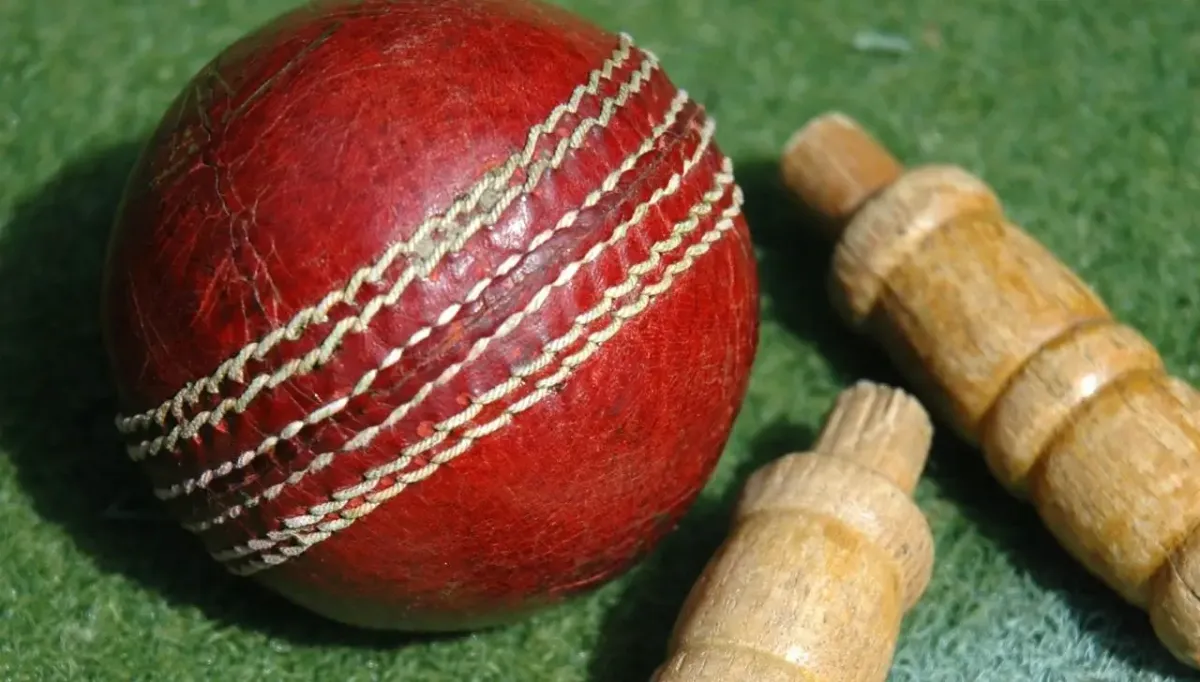
People sometimes mix up the bouncer with the beamer, but they are very different, and only one is legal.
A bouncer bounces on the pitch before rising, which is a fair and skillful delivery. A beamer is a full toss that reaches the batter above the waist without bouncing at all.
The beamer is banned because it is so dangerous and hard to see. A bowler who sends one down is warned by the umpire and can be removed from the attack for repeat offenses.
(FAQs):
Q1: What is a bouncer also called?
A: A bouncer is often called a "bumper," an older term for the same delivery. Both words mean a short ball that rears up toward the batter, and commentators use them interchangeably.
Q2: Can a spin bowler bowl a bouncer?
A: A spinner can bang the ball in short, but without real pace it rarely troubles the batter. The bouncer is truly a fast bowler's weapon, since speed is what makes it dangerous.
Q3: Is a bouncer over the head a wide?
A: In one-day and T20 cricket, a ball passing over the batter's head as they stand is usually called a wide. In Tests it is judged differently and can count toward the over's bouncer limit.
Q4: Why do batters get hit by bouncers?
A: Usually, they misjudge the pace or bounce, or they are late on a shot. Because the ball climbs toward the head, a good helmet is essential safety gear against fast bowling.