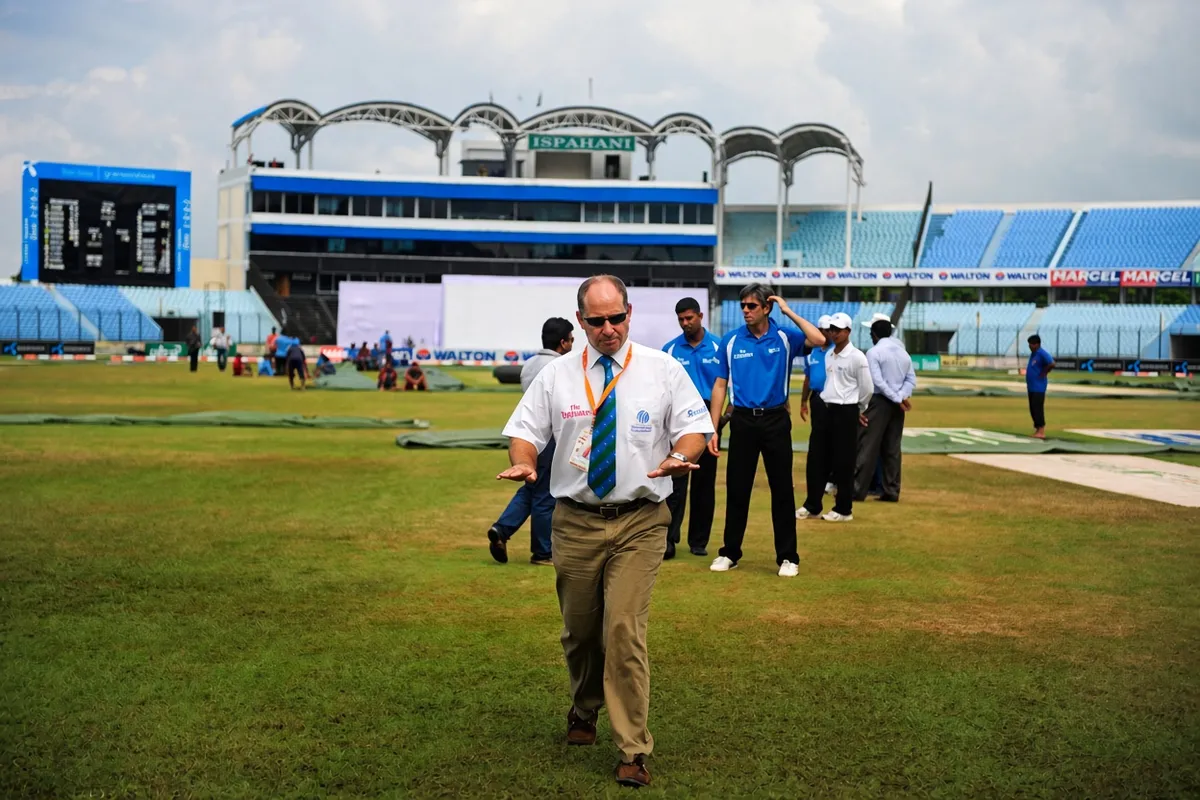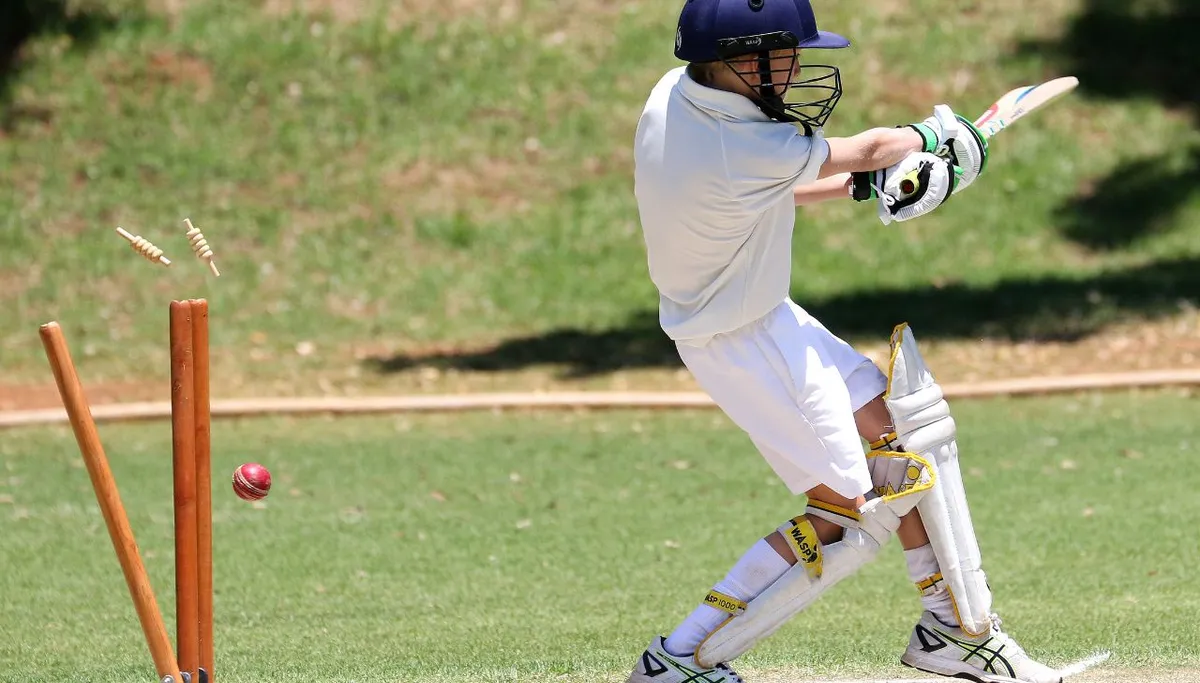
A beamer in cricket is a fast, full-pitched delivery that reaches the batter above waist height without bouncing. It is both dangerous and illegal, so the umpire calls it a no-ball at once.
Because the ball flies flat toward the head or chest at speed, the batter has almost no time to react. That is why the laws treat a beamer so seriously.
Why Is a Beamer Dangerous?
A normal fast delivery bounces off the pitch, which gives the batter a fraction of a second to read its height and line. A beamer skips that step entirely.
It arrives on the full, flat and fast, often aimed at the head or upper body. With no bounce to slow it or change its path, there is barely time to duck or sway.
A blow to the head from a ball at this speed can cause serious injury. That danger, not the runs it might concede, is why the beamer is banned.
Beamer vs Bouncer:
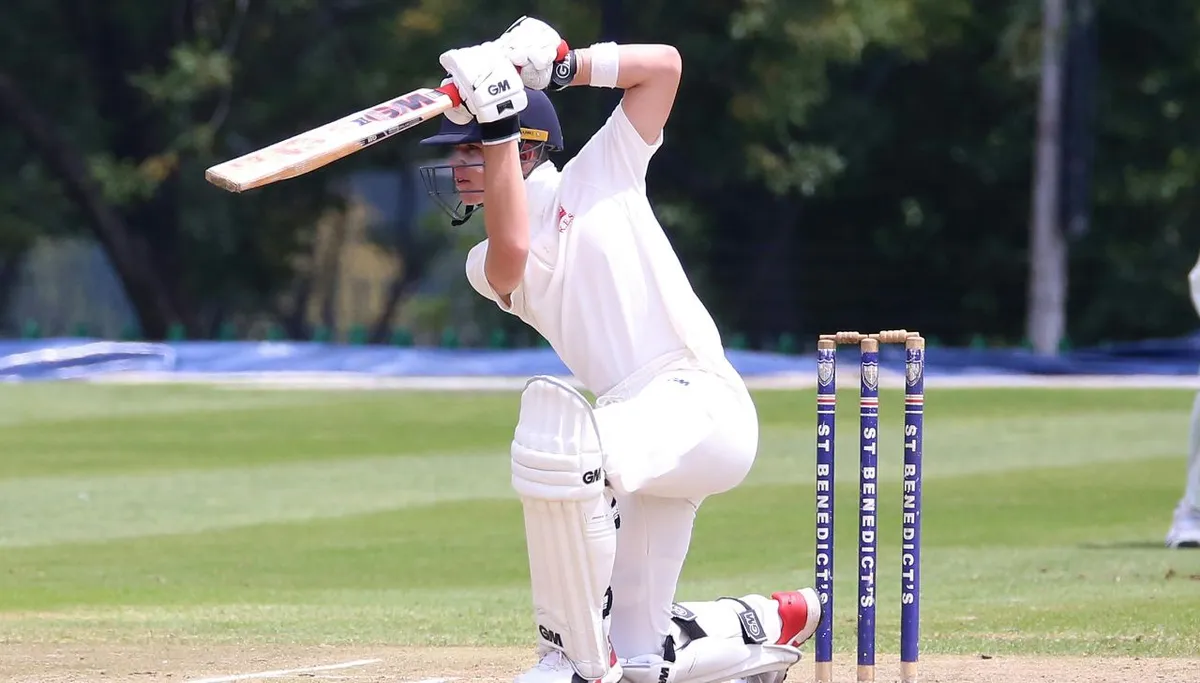
The beamer is often confused with the bouncer, since both climb toward the batter's head. The key difference is whether the ball bounces.
Aspect | Beamer | Bouncer |
|---|---|---|
Does it bounce? | No, it is a full toss | Yes, it is short-pitched |
How it reaches the batter | Flat and above the waist on the full | Rises high after pitching |
Is it legal? | No, always a no-ball | Yes, within the over limit |
So, a bouncer is a fair, skillful ball within limits, while a beamer is always illegal. One tests the batter, the other endangers them.
What Happens When a Beamer Is Bowled?
The umpire immediately signals a no-ball, so the batting side is given a run and the delivery has to be bowled again.
The bowler is also given a first and final warning. If they send down a second dangerous beamer in the same innings, they are removed from the attack and cannot bowl again in that innings.
Are Beamers Always on Purpose?
Almost never. The great majority of beamers are accidents rather than intent, which is why one brings a warning rather than an instant ban.
A bowler who sends down an accidental beamer will usually raise a hand to apologize. A deliberate beamer, though, is treated as serious foul play and can bring heavy punishment beyond the warning.
From my own bowling in age-group and club cricket, an accidental beamer is a sickening feeling. Mine usually slipped out when I gripped too tight for a slower ball on a sweaty day, and the apology to the batter is always genuine.
(FAQs):
Q1: Is a beamer always a no-ball?
A: For a fast bowler, any full toss above waist height is a no-ball. For a slow bowler the bar is higher, at shoulder height, but the idea is the same: a dangerous full toss is illegal.
Q2: What is the difference between a beamer and a full toss?
A: A normal full toss reaches the batter below waist height and is legal, often easy to hit. A beamer is a full toss that arrives above the waist, which makes it dangerous and against the rules.
Q3: Does a beamer give a free hit?
A: In one-day and T20 cricket, yes. A beamer is a no-ball, and no-balls in limited-overs are followed by a free hit, so the bowler is punished twice over.
Q4: Why do bowlers bowl beamers by accident?
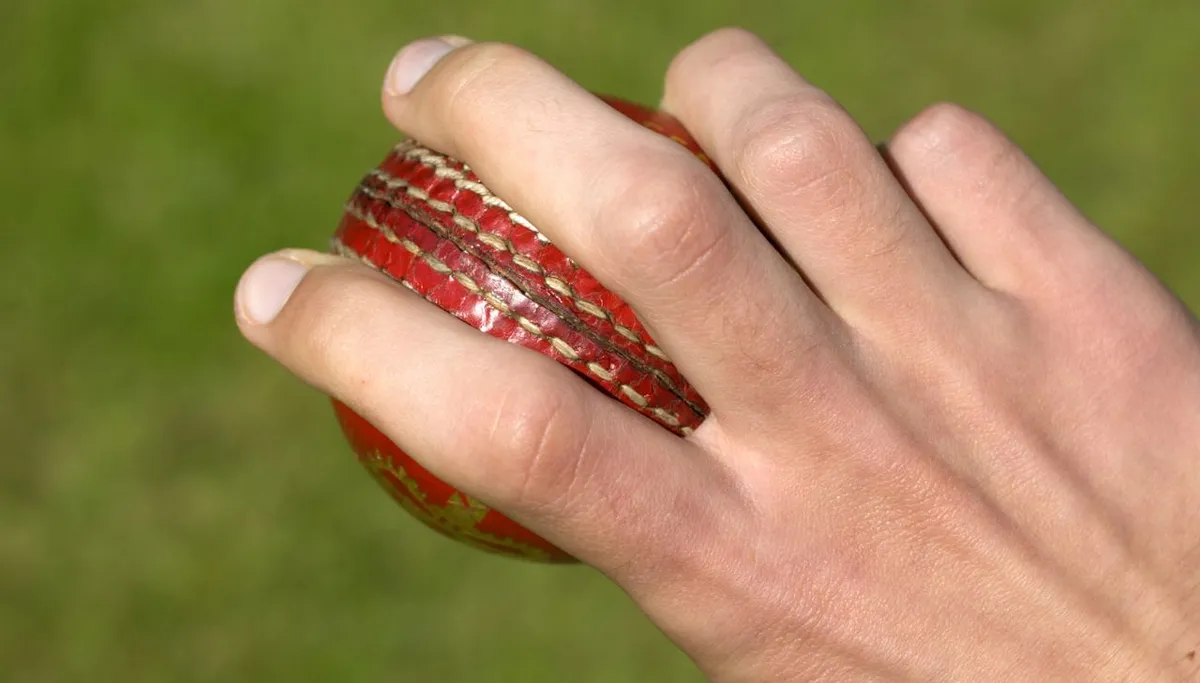
A: The ball can slip from sweaty or greasy fingers, especially when a bowler grips it tightly for a slower ball or a yorker. When the grip fails, the ball flies out flat instead of dipping.