
A fast bowler charges in at full tilt, the batter sets himself for pace, and then the ball arrives late and soft, almost apologetic. Something has gone wrong for the batter, and it is entirely by design.
That is a slower ball in cricket, a change of pace meant to upset the batter's timing and force a mistake. It has become one of the deadliest weapons in the modern game, especially at the death of a limited-overs innings.
Here is how the slower ball works, the different ways it is bowled, and why disguise is everything.
Why Is a Slower Ball So Hard to Hit?
A batter's timing is built on expecting a certain pace. A slower ball breaks that expectation completely. The batter commits to the shot, swings, and the ball simply is not there yet.
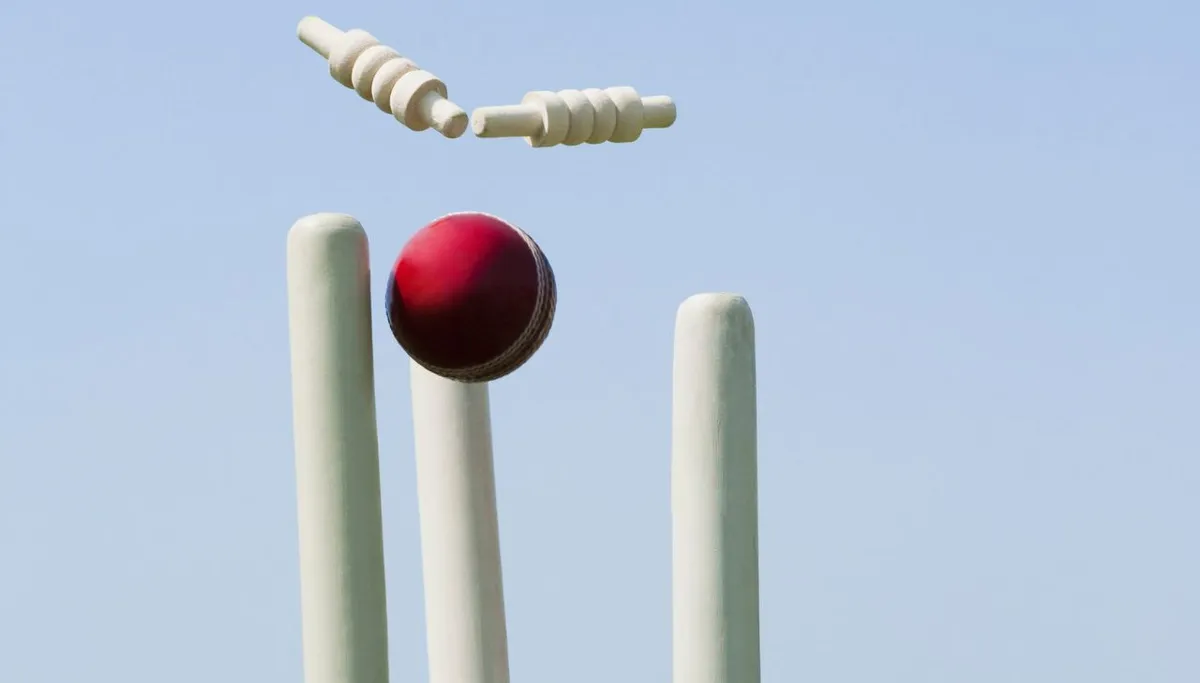
The result is usually a mistimed stroke that loops into the air for a catch, or an airy miss that hits the stumps or the pads. To pull it off, the bowler has to aim at the stumps, forcing the batter to play.
The Grips Behind the Slower Ball:
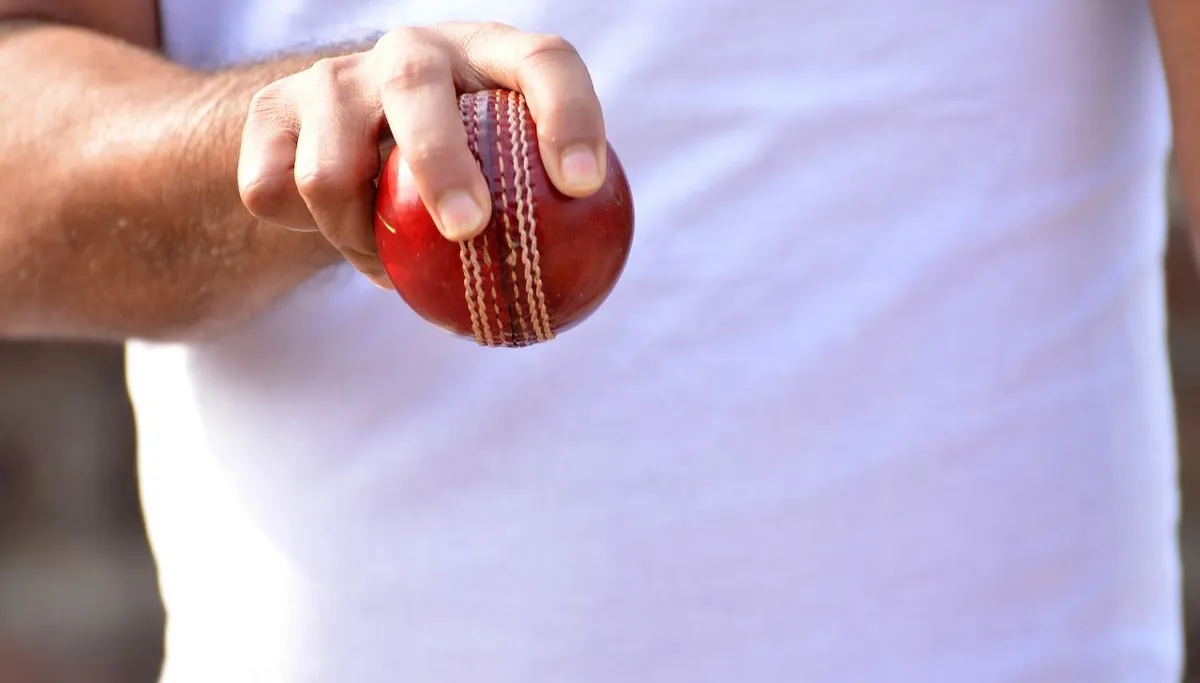
There is no single slower ball. Bowlers create the change of pace in several ways, each with its own grip and feel.
The off-cutter, rolled out of the side of the hand with an off-spin action, is the classic. The back-of-the-hand ball, released with the palm turned toward the batter, and the knuckle ball, gripped with bent fingers, are the trickier and better-disguised options.
Why Is the Slower Ball a Death-Overs Weapon?
The slow ball comes into its own in the final overs of one-day and T20 cricket, when batters are swinging hard for the boundary.
A well-bowled slower one takes the pace off, so a big hit falls short of the rope or spirals to a fielder. It is a keyway bowlers protect their economy rate and shut down a late flood of runs.
The Best Slower Ball Bowlers in History:
Dwayne Bravo is often called the king of the slower ball, his knuckle ball a match-winner across the world's T20 leagues. Jasprit Bumrah and Bhuvneshwar Kumar have made their own variations just as feared in the modern game.
Some of the slowest balls in cricket history by a fast bowler have become legends. Bumrah's 113 km/h slow yorker to Shaun Marsh in the 2018 Melbourne Test is the most famous, so well-hidden that Marsh was trapped dead in front.
Hiding the Slower Ball:
The whole trick depends on disguise. A slower ball only fools the batter if it comes out of a completely normal action, off the same run-up, the same leap, and the same arm speed.
Bowling at the death in club cricket, the slower ball was my escape route when a batter was teeing off. Tip them off with a change of action, though, and it just sits up to be smashed.
That is why the best exponents work for years on hiding it. Blend it into your usual line and length, and even a set batter can be caught halfway through a shot.
Conclusion:
The slow ball is the fast bowler's cleverest trick, a delivery that beats the batter with brains rather than speed. Bowled with a straight face and aimed at the stumps, it can turn a certain boundary into a soft catch in an instant.
(FAQs):
Q1: How much slower is a slower ball?
A: It varies, but a good slower ball can be 20 to 30 km/h slower than the bowler's normal pace. That gap is often enough to wreck a batter's timing completely.
Q2: Can a slower ball bowl or trap the batter LBW?
A: Yes. If the batter is deceived in the air and misses completely, it can hit the stumps or win an LBW, though a mistimed catch is the more common outcome.
Q3: What is the difference between a slower ball and a cutter?
A: A cutter is a type of slower ball that also moves off the pitch, using an off-spin or leg-spin grip. Slower ball is the wider term for any deliberate change of pace.
Q4: Do spinners bowl slower balls too?
A: The term usually describes a fast bowler's change of pace. Spinners already bowl slowly, so they deceive with flight, dip, and turn rather than a sudden drop in speed.