Hit wicket in cricket is a dismissal where the batter breaks their own stumps with the bat or their body while receiving a delivery or setting off for a run.
The batter is out, even though no fielder or bowler touched the ball to cause it.
It sounds like an accident, and mostly it is, but the law around it is stricter than most fans realize. Here is when it applies, when it does not, and why it barely ever happens.
How a Batter Gets Out Hit Wicket:
The dismissal is covered by Law 35 of the Laws of Cricket. Once the bowler has entered their delivery stride, if the striker's bat or body knocks the stumps down, they are out.
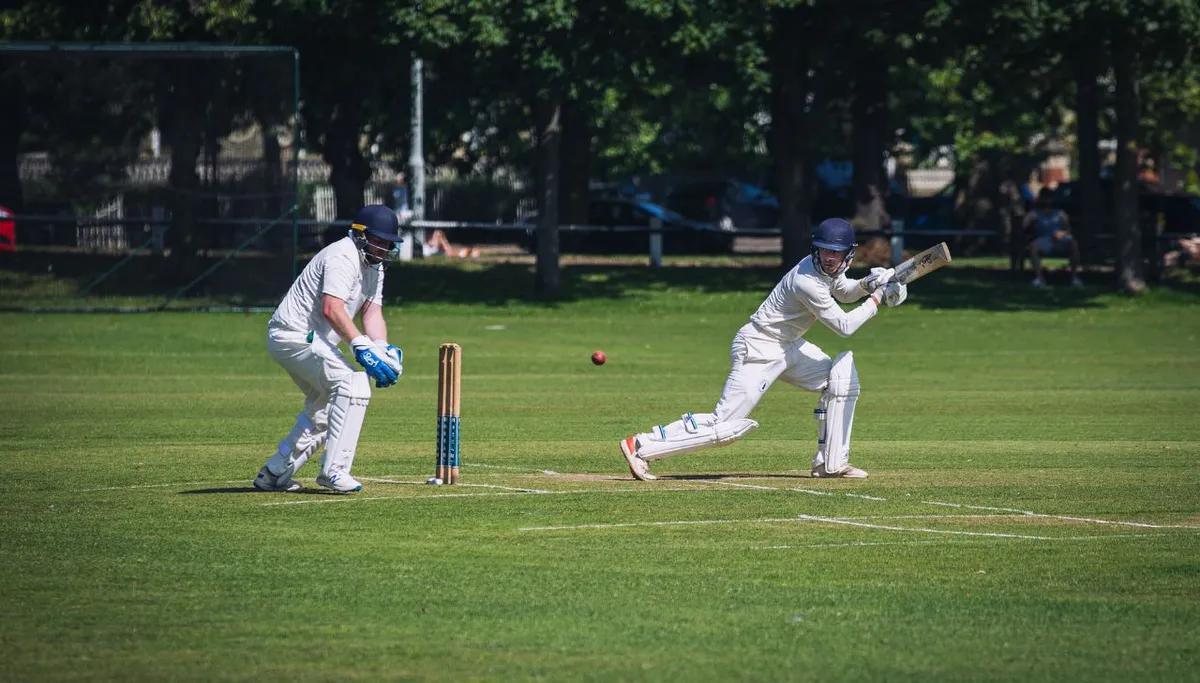
It usually happens in the backswing of a big shot, when a stray boot clips a stump, or when the bat comes down onto the base of the stumps on the follow-through. Setting off too eagerly for a quick single can do it too.
Umpiring club games, I have seen a batter dislodge their own stumps mid-swing and just stand there in disbelief. It looks harmless until you realize the bails are already on the ground.
When a Batter Is Not Out Hit Wicket:
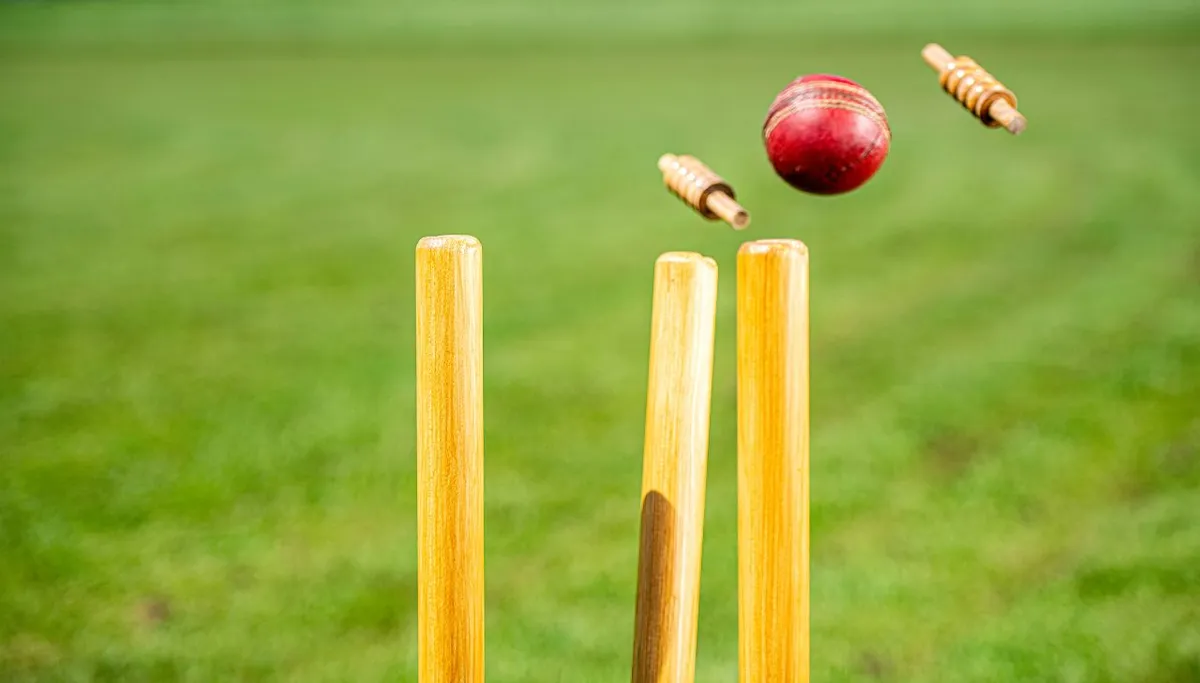
The law protects the batter in several situations. If they have already completed their shot and are simply standing there, breaking the stumps afterward does not count.
It is also not out if the batter is trying to avoid being run out or stumped, dodging a throw, or if the bowler pulls out of the delivery without releasing the ball, since that is called a dead ball instead.
Does the Bowler Get Credit for a Hit Wicket?
Yes. Unlike a run out, hit wicket goes down as a bowler's wicket, even though the bowler never actually caused it. It simply has to come off a legal delivery.
It cannot happen off a no-ball. If the delivery itself is illegal, any stumps knocked down do not count as a dismissal.
How Rare Is Hit Wicket?
Very. It sits just behind the five common dismissals, bowled, caught, LBW, run out, and stumped, but it is far rarer than any of them.
It happens most often to aggressive batters playing a big pull or hook shot, where the momentum of the swing carries the bat back onto the stumps. Even top professionals have fallen this way on the biggest stages.
Conclusion:
Hit wicket is proof that a batter can be their own worst enemy, out without the bowler laying a glove on their stumps. It is rare, it is a little embarrassing, and once the bails are off, there is no arguing with the umpire.
(FAQs):
Q1: Can a batter be hit wicket without playing a shot?
A: Yes. Simply overbalancing, stepping back onto the stumps, or setting off for a run can be enough, even if the bat never swings at the ball.
Q2: Do any runs count if a batter is out hit wicket?
A: No, other than a penalty for a wide or any penalty runs owed. Any runs the batters were in the middle of attempting do not count.
Q3: Can the non-striker be given out hit wicket?
A: No. Hit wicket can only be given against the striker, the batter facing the delivery, never the batter waiting at the other end.
Q4: Can a helmet or dropped bat cause a hit wicket?
A: Yes, if it happens while receiving the ball or setting off for a run and it knocks the stumps down. Any part of the batter's body or equipment counts under the law.