Cricket whites are one of the sport's most recognisable traditions and a requirement for most competitive cricket. But have you ever wondered why cricketers wear white when every other sport uses coloured kits? The answer goes back over 200 years and involves science, visibility, and tradition. In this guide, you will learn why whites exist, when you need them, what is included in a full kit, and how to keep them clean after a long day on the field.
Why Do Cricketers Wear White?
Three practical reasons:
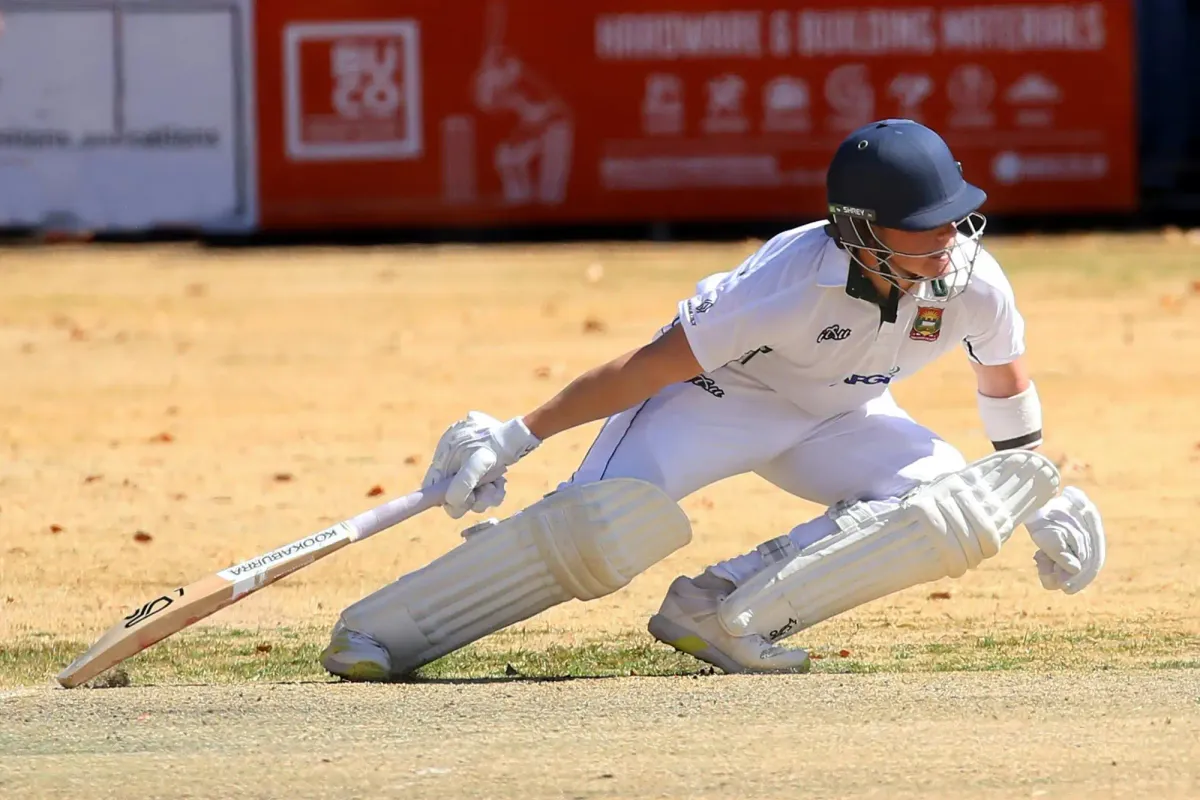
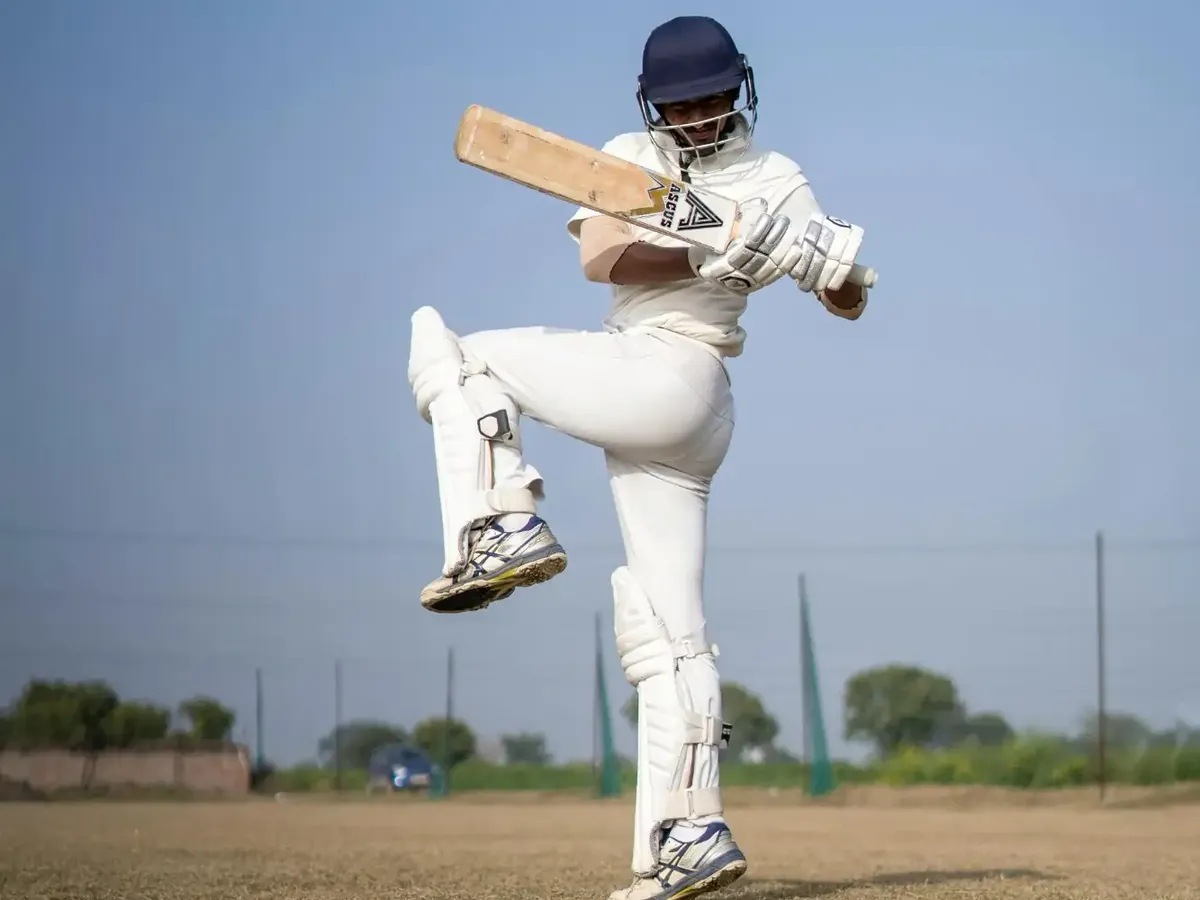
- Heat reflection, white reflects sunlight, keeping players cooler during long days in the field. Cricket matches can last 6+ hours
- Ball visibility, the red ball is clearly visible against white clothing for batsmen and fielders
- Tradition, dating back to the early 1800s in England, when white cotton was the most affordable and available fabric
Modern cricket whites are made from polyester-cotton blends with moisture-wicking properties and UV protection, a big upgrade from the pure cotton of the 1800s.
When Are Whites Worn?
- Test matches, always white
- First-class and multi-day cricket, white
- Club cricket, most leagues require whites for weekend games
- ODIs and T20s, coloured kits (introduced in 1977 during World Series Cricket)
What's Included in a Cricket Whites Kit?
- Cricket shirt, long or short sleeve, collared
- Cricket trousers, straight leg with elasticated waist, often with reinforced knee panels for fielding
- Sweater/jumper, cable-knit V-neck with club colours on the trim (for cold days)
- Cricket socks, full-length white socks
- Base layer, compression wear underneath for cold days (optional but recommended)
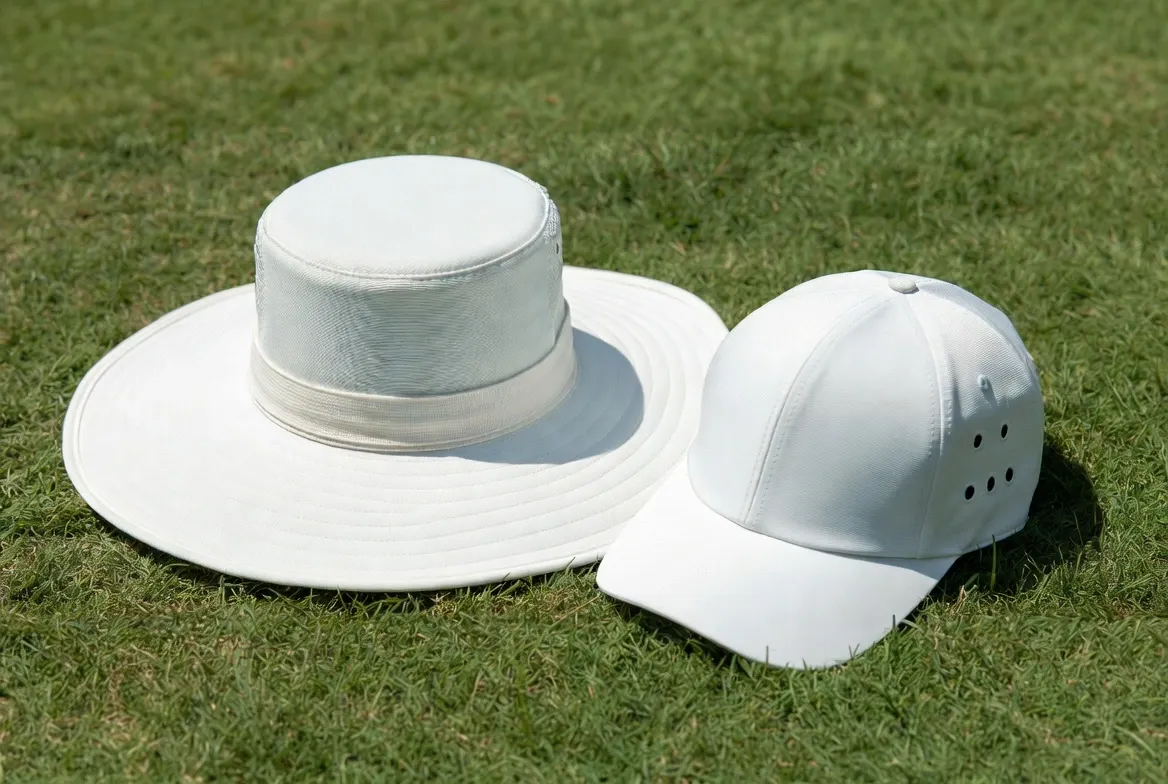
- Sun hat or cap, essential for fielding, especially in the subcontinent
How to Remove Common Stains from Cricket Whites
Grass Stains
Mix equal parts white vinegar and water, apply to the stain, let it soak for 15-20 minutes, then wash normally. For stubborn stains, apply lemon juice directly and leave in sunlight before washing.
Mud Stains
Let the mud dry completely first, don't try to rub wet mud. Once dry, scrape off the excess with a spoon, then soak in warm soapy water and wash.
Ball Marks (Red Stains)
These are the hardest to remove. Apply rubbing alcohol or stain remover directly to the mark, let it sit for 30 minutes, then wash on a warm cycle.
Keeping Your Cricket Whites Clean, General Tips
- Wash whites separately, never mix with coloured clothing
- Use non-chlorine bleach (oxygen bleach), chlorine yellows fabric over time
- Line-dry in sunlight, UV light naturally bleaches and whitens fabric
- Treat stains immediately, the longer you wait, the harder they set
- Avoid tumble drying, heat sets stains permanently
From experience: After every match, I'd soak my whites in warm water with a scoop of oxygen bleach before bed. By morning, most stains had lifted. Prevention is easier than cure.
Conclusion
Cricket whites are more than tradition, they keep you cool, make the red ball visible, and connect you to over 200 years of the game's history. Keep them clean with quick stain treatment, wash separately, and line-dry in sunlight. Looking sharp in whites is part of playing the game right.
FAQs
Why don't T20 players wear white?
T20 uses a white ball, white clothing would make it invisible. Coloured kits were introduced specifically for this reason.
Can I play club cricket without whites?
Most Saturday/Sunday leagues require whites. Midweek or social cricket is usually more relaxed. Check your club's dress code. If you're attending as a spectator, smart casual is usually fine, no strict white required.
How often should I replace cricket whites?
When they turn permanently grey or yellow despite washing, or when the fabric becomes thin and see-through. Typically 1-2 seasons for regular players.