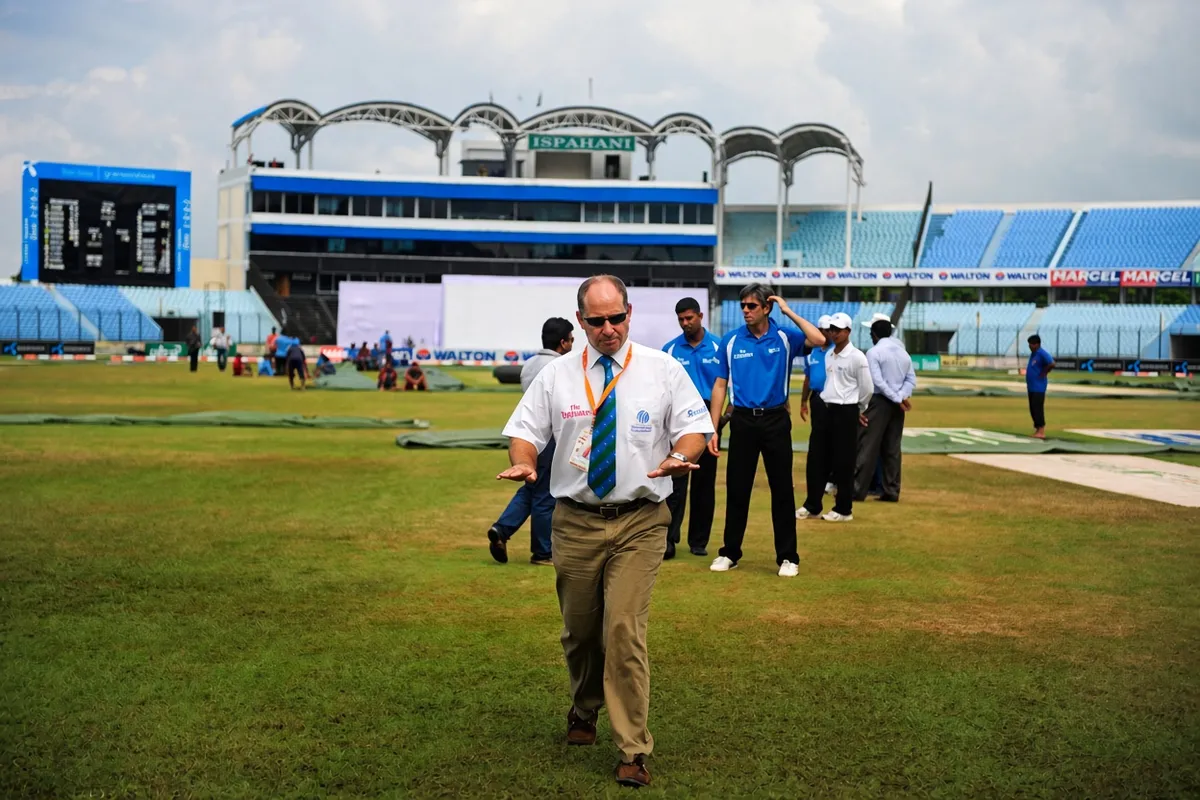
The cricket captain is the on-field decision-maker for their team. Unlike most sports where coaches control strategy from the sidelines, in cricket the captain runs almost everything during play: setting fields, changing bowlers, deciding when to take the new ball, choosing review decisions, and managing the pace of the game. A great captain can elevate an average team. A poor one can hold back a talented squad. This guide covers what cricket captains actually do, how their role differs from coaches, and what makes the truly great captains stand out.
What a Captain Actually Does
The captain's responsibilities during a match:
- Wins the toss and chooses to bat or bowl first
- Sets the field: positions all 10 fielders for every ball
- Manages bowlers: who bowls, for how long, in which spells
- Makes DRS decisions: when to review umpire calls
- Controls over rates: ensures the team bowls quickly enough
- Manages player welfare: protects bowlers from over-bowling, manages rotation
- Makes batting order decisions: who bats where, when to send a nightwatchman
- Communicates with umpires: handles disputes and rule clarifications
In a Test match across 5 days, a captain makes thousands of micro-decisions. The quality of those decisions over time determines whether the team competes well or falters.
Captain vs Coach: Different Roles
| Decision Area | Captain | Coach |
|---|---|---|
| During play | Total control | Cannot intervene |
| Team selection | Input only | Strong influence with selectors |
| Training plans | Input | Plans and runs sessions |
| Match strategy | Final say on the field | Pre-match planning |
| Player communication | On-field, between balls | Off-field, before and after |
This is unique to cricket. In most sports, coaches make tactical changes during play through substitutions and timeouts. Cricket has no timeouts, no in-play substitutions for tactical reasons, so the captain runs the entire on-field operation.
Toss Strategy
The toss can win or lose matches before a ball is bowled. The captain who wins the toss must decide whether to bat or bowl first based on:
- Pitch condition: Damp or grassy pitches favour bowling first. Flat pitches favour batting first
- Weather: If rain is forecast late in the match, batting first protects against weather-affected finishes
- Opposition strength: Against a strong batting side, restricting them on a fresh pitch may be smarter
- Format: In Test cricket, batting first is often preferred to put a big total on the board. In ODIs and T20s, chasing has become easier with modern batting
Setting the Field
Field placement is the captain's most visible decision. With limited fielders and unlimited shots a batter can play, captains must:
- Read the batter: Their strengths, weaknesses, and shot preferences
- Match the bowler: Different bowling styles require different fields
- Adapt to match situation: Attacking fields when chasing wickets, defensive fields when chasing runs
- Respect powerplay rules: In limited-overs cricket, only certain numbers of fielders can be outside the 30-yard circle
Bowling Changes
Choosing when to change bowlers is one of the hardest captaincy skills. Considerations:
- Bowler fatigue: Most fast bowlers need to come off after 4-6 over spells
- Match-up advantages: Specific bowlers may have records against specific batters
- Phase of innings: Strike bowlers for new ball, spinners for middle overs, death specialists for the final overs
- Saving overs: In ODIs and T20s, each bowler has a maximum overs limit
For exact over limits per bowler across formats, our overs guide covers it.
DRS Decision-Making
The captain leads DRS review decisions. With limited reviews per innings, the captain must weigh:
- How confident the bowler and keeper are about the appeal
- How many reviews are still available
- The phase of the innings and value of the wicket
- The risk of wasting a review
Good captains develop a sense for marginal decisions. Bad ones either review too aggressively or never review even genuine opportunities.
What Makes a Great Captain
The traits that separate great captains:
- Reading the game: Knowing when to attack and when to defend
- Trust in players: Backing bowlers in tight situations, letting batters play their natural game
- Communication: Clear instructions, calm under pressure
- Adaptability: Changing plans when something is not working
- Personal performance: Most great captains have led with bat or ball as well as tactics
Famous Cricket Captains
| Captain | Country | Era | Famous For |
|---|---|---|---|
| Don Bradman | Australia | 1936-1948 | Highest Test batting average ever, captained the Invincibles |
| Clive Lloyd | West Indies | 1974-1985 | Built the dominant West Indian fast bowling era |
| Imran Khan | Pakistan | 1982-1992 | 1992 World Cup winner, transformed Pakistan cricket |
| Steve Waugh | Australia | 1999-2004 | 16 consecutive Test wins, mental toughness |
| MS Dhoni | India | 2007-2017 | Won all three ICC trophies, calm finisher |
| Ricky Ponting | Australia | 2002-2011 | Two World Cup wins, dominant home record |
| Eoin Morgan | England | 2015-2022 | Transformed England's white-ball cricket |
From experience: Captaincy at club and district level is harder than it looks on TV. As a senior bowler I was sometimes captain. The hardest part was knowing when to take myself off when I was bowling well. You feel like the next ball will get the wicket. Often the right move is to bring in a fresh bowler with the batter on edge. Captaincy teaches you that decision-making is a skill, not just instinct. You make hundreds of small calls and the average quality of those calls is what determines your win rate.
How Captaincy Differs by Format
- Test cricket: Long-term thinking. Wear the opposition down. Plan for sessions, not balls
- ODI: Balance attack and containment. Manage 50 overs of bowling across multiple bowlers
- T20: Every ball is a decision. Match-ups matter more than spells. Death overs strategy can decide matches
Conclusion
The cricket captain is the most influential individual in any match, holding more in-game decision-making power than captains in any other major team sport. Setting fields, changing bowlers, choosing reviews, and managing the pace of play all rest with one person. Great captains do not always have the best statistics, but they consistently put their teams in winning positions. To understand the broader context captains operate in, our guides on cricket formats, overs structure, and LBW rules cover the rule framework every captain works within.
FAQs
What does a cricket captain do?
The captain controls field placement, bowling changes, DRS reviews, batting order, and on-field strategy. They make virtually every tactical decision during play.
Is the coach more important than the captain in cricket?
Off the field, the coach has more influence. During play, the captain runs everything. Coaches cannot make tactical changes during the match.
Who is the most successful cricket captain?
By win percentage in Tests, Steve Waugh and Don Bradman are at the top. MS Dhoni is the only captain to win all three ICC trophies (World Cup, T20 World Cup, Champions Trophy).
What is the most important captaincy skill?
Reading the game. Knowing when to attack, when to defend, and when to trust your bowlers. Tactical decisions matter more than personal stats.