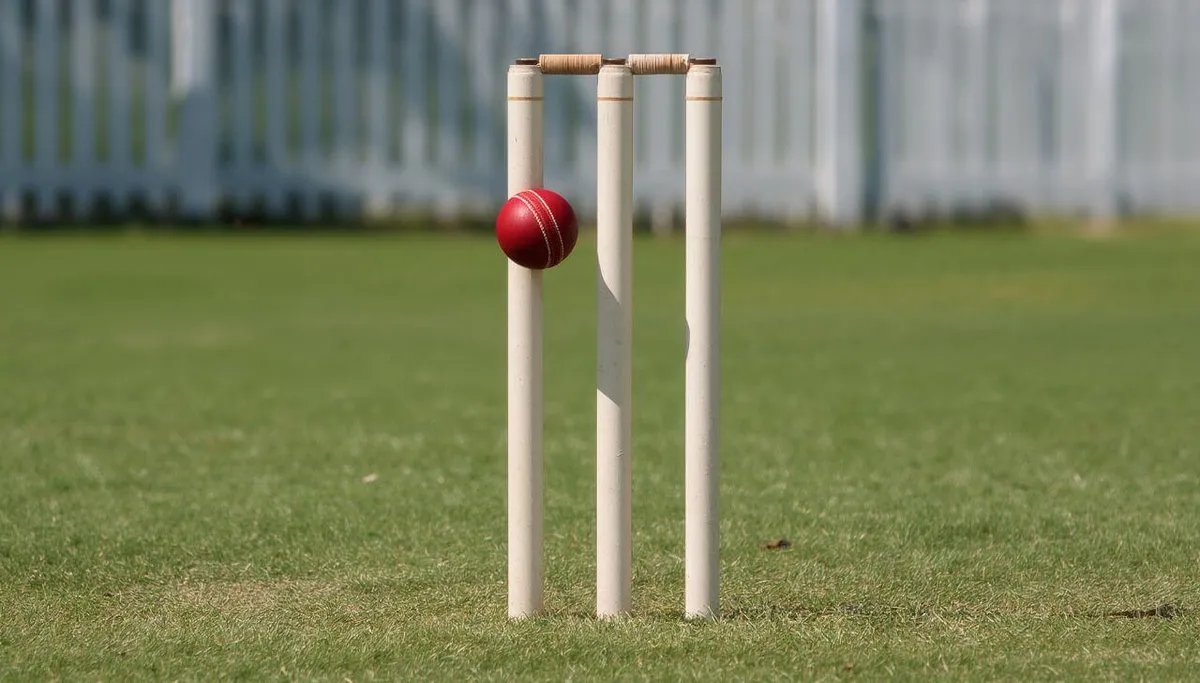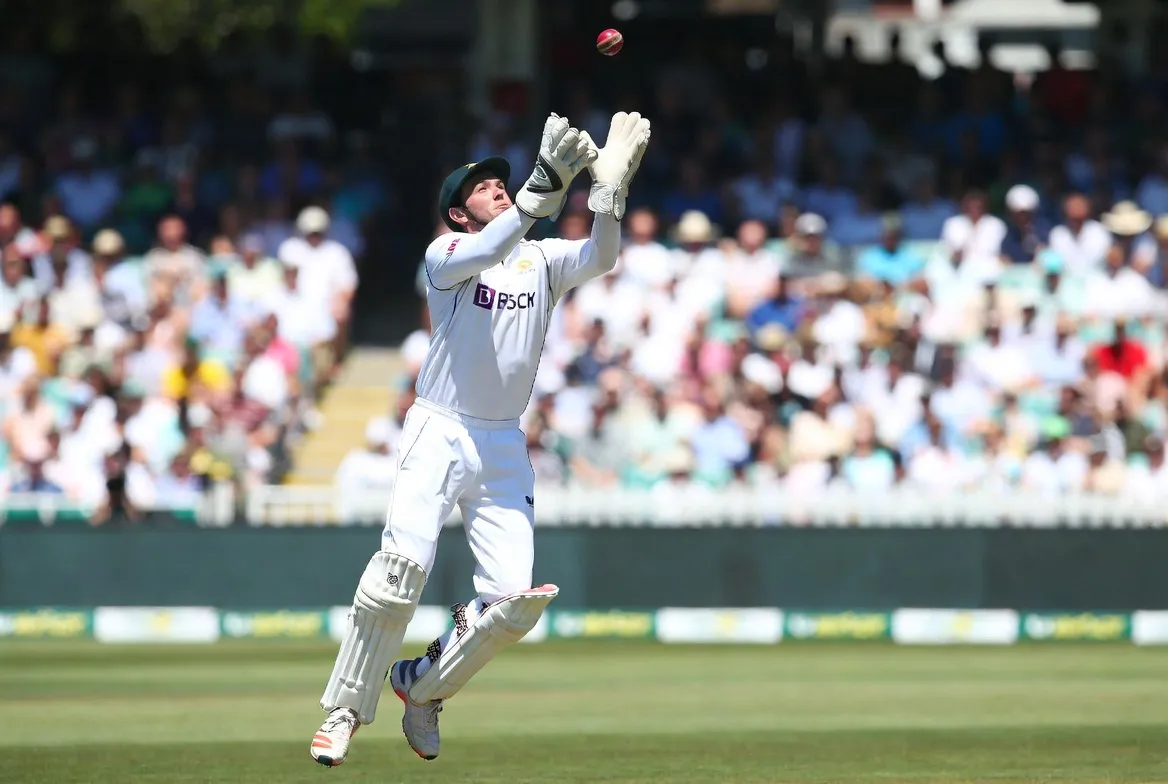
A nightwatchman in cricket is a lower-order batter sent in to bat ahead of his normal position late in the day, to protect a more skilled batter from facing the tricky final overs. The idea is simple: if a wicket falls near the close of play, the team would rather "waste" a tail-ender at the crease than risk losing a key batter when concentration is low and the light is fading. Here is a simple guide to what a nightwatchman is, why teams use one, when it happens, and whether it actually works.
What Does "Nightwatchman" Mean in Cricket?

The term comes from the idea of someone standing guard overnight. In cricket, the nightwatchman "guards" the innings through the last few overs of the day so the better batters can start fresh the next morning. He is usually a bowler or a weaker batter who is promoted up the order for a short, defensive job - survive until stumps, then carry on the next day if he can.
Why Do Teams Use a Nightwatchman?
The last overs of a day's play are some of the hardest to bat in. The light is poor, the batters are tired, and a new batter walking in has to concentrate hard with little reward, since play is about to end anyway. If a top batter got out cheaply in that situation, it would be a big loss. So the team sends in a nightwatchman instead, accepting that if anyone gets out, it is better to lose a tail-ender than a star.
When Is a Nightwatchman Sent In?

A nightwatchman is only used in longer formats - Test matches and other multi-day cricket - because those are the only games with an overnight break. It happens when a wicket falls in the last few overs before stumps (the end of the day's play). At that point the captain may decide to hold back the next proper batter and send in the nightwatchman to see out the day instead.
Who Makes a Good Nightwatchman?
The job usually goes to a bowler with a decent defensive technique - someone who can block straight, leave the ball well, and is not expected to score big. A good nightwatchman values his wicket, plays calmly, and is happy to bat slowly. Some bowlers have become famous for the role, occasionally even going on to score surprising runs the next morning after surviving the night.
Does a Nightwatchman Actually Work?
This is where opinions split. The case for it is clear: you protect your best batters for fresh conditions. But there is a case against, too. If the nightwatchman gets out quickly, your top batter has to come in anyway - in the same tough conditions you were trying to avoid. And if the nightwatchman survives but blocks for a long time the next day, the team can lose scoring momentum. Many captains still use one; some modern coaches argue it is overrated and would rather trust their best batters.
The Risks of Using a Nightwatchman
Sending in a nightwatchman is a gamble, and it can backfire in a few ways:
Quick dismissal: if he is out cheaply, your top batter is exposed in the same bad light anyway, so you have lost a wicket for nothing.
Lost momentum: a nightwatchman who survives but bats very slowly the next day can stall the innings.
Two wickets in a session: sometimes both the nightwatchman and a recognized batter fall close together, leaving the team worse off.
Because of these risks, the decision is always a judgment call for the captain, based on the match situation and how dangerous the bowling is.
Conclusion
A nightwatchman is a tail-ender promoted up the order to shield a better batter from the awkward final overs of a day in long-format cricket. It is a defensive, risk-managing move - trade a lesser wicket for the safety of a key one. It does not always pay off, and coaches still argue over its value, but it remains one of cricket's most interesting little tactics. Hear a commentator mention a nightwatchman next time, and you will know exactly why that bowler suddenly walked out to bat.
Frequently Asked Questions
Q1: What is a nightwatchman in cricket?
A: A lower-order batter, usually a bowler, sent in to bat ahead of his normal position late in the day. His job is to protect a better batter from the tricky final overs before stumps in a Test or multi-day match.
Q2: Why is it called a nightwatchman?
A: The name comes from someone who stands guard overnight. In cricket, the player "guards" the innings through the last overs of the day so the top batters can begin fresh the next morning.
Q3: When can a team use a nightwatchman?
A: Only in longer formats with an overnight break, like Test cricket. He is sent in when a wicket falls in the final few overs of a day's play, to see out the rest of the day.
Q4: Is a nightwatchman allowed in the Laws of cricket?
A: Yes. There is no special rule for it - a captain can send batters in any order he likes. The nightwatchman is simply a tactic, not a separate position in the Laws.
Q5: Does using a nightwatchman actually work?
A: Sometimes. It protects your best batters when it works, but if the nightwatchman is out quickly, your top batter is exposed anyway. Captains and coaches still disagree on how useful the tactic really is.