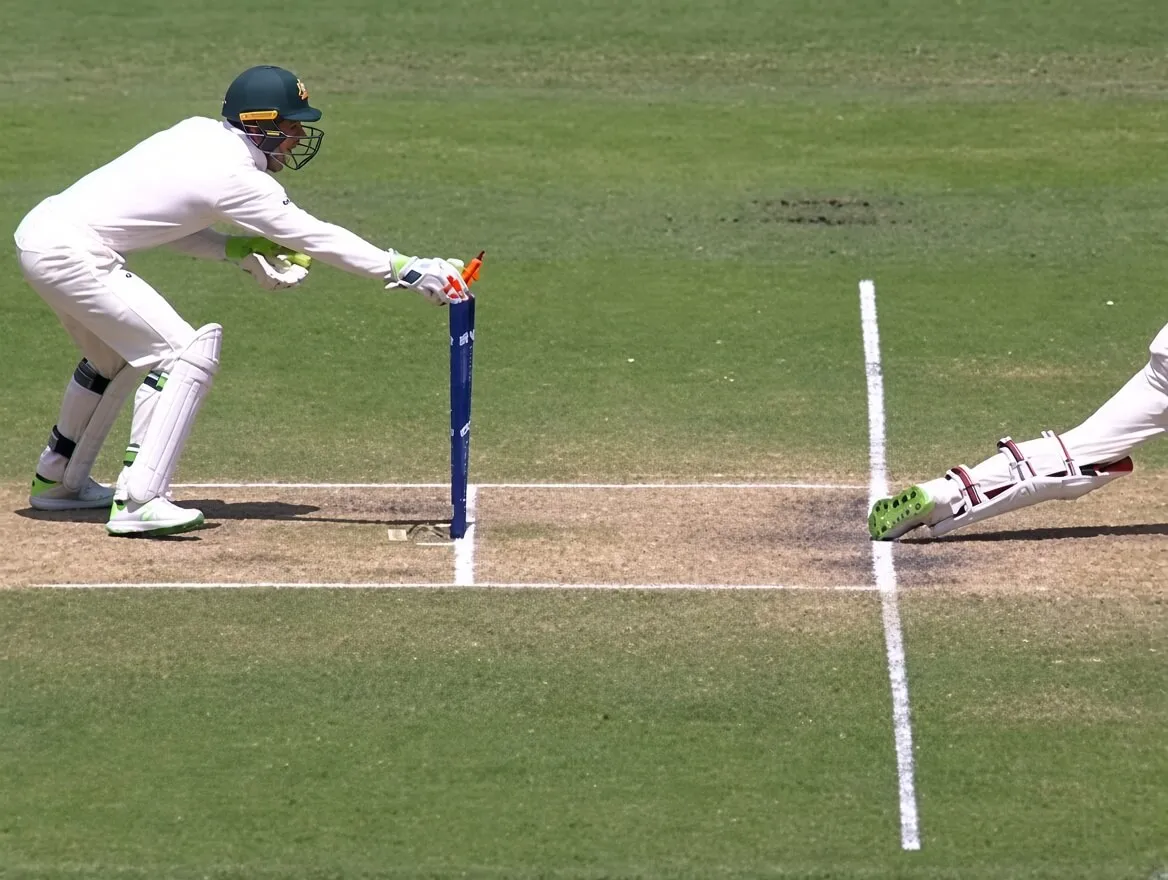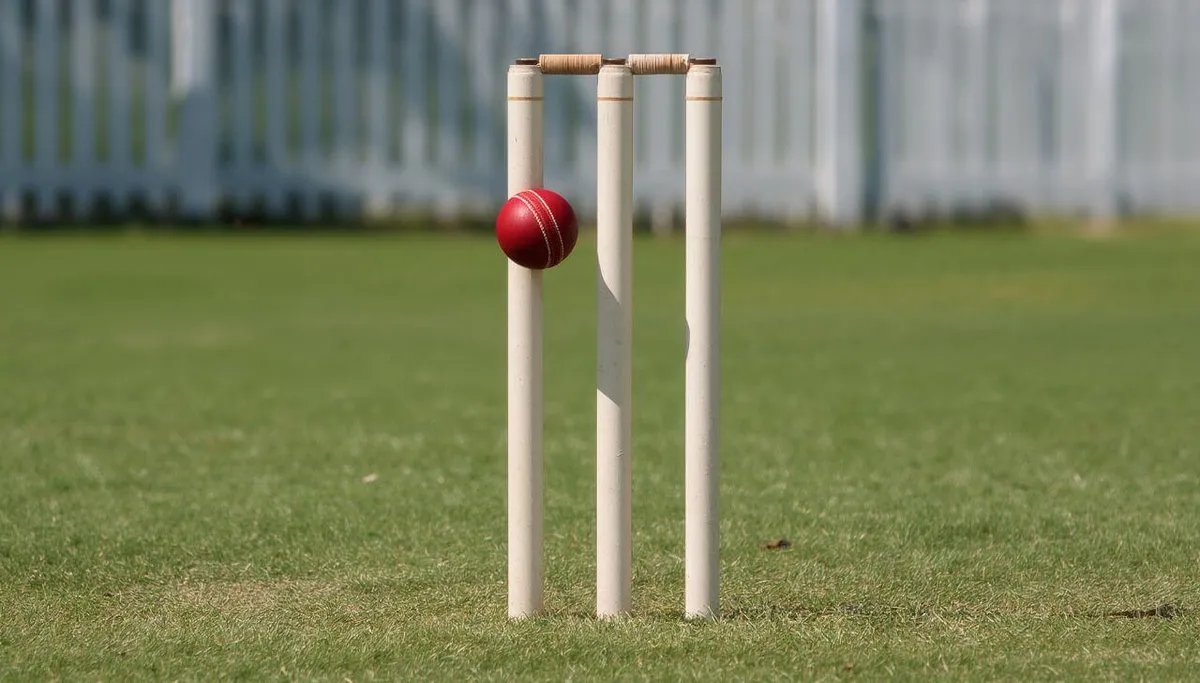
A golden duck in cricket is when a batter is dismissed on the very first ball they face, without scoring a run. It is the briefest innings possible - out to ball one, with nothing on the board. The name stitches together two bits of cricket slang: a "duck" (a score of zero) and "golden" (it happened straight away). Below we unpack where the name comes from, how it differs from the other kinds of duck, the ways players fall to one, and even how to avoid it.
What Does "Duck" Mean in Cricket?
Before the golden part, you need the duck. A duck is any innings that ends on zero - the batter is out having scored nothing at all. The nickname is widely believed to come from the number 0, whose rounded shape resembles a duck's egg; older players even said "duck's egg" in full. So when commentary mentions someone going "out for a duck," that is all it means: no runs, then the wicket.
What Makes a Duck "Golden"?
Add the word golden and you pin down exactly when the zero arrived: on the opening delivery of that batter's innings. There is no time to find any rhythm - the player walks out, takes guard, faces one ball, and is on the way back. That immediacy is the whole difference from an ordinary duck, and it is why the dismissal draws a wince from teammates and a groan from the crowd.
The Different Types of Duck

Duck is really a small family of terms, and what sets them apart is timing:
Type of Duck | What It Means |
|---|---|
Duck | A score of zero, however many balls were faced |
Golden Duck | Zero off the first ball faced |
Diamond Duck | Zero without facing a legal ball (often run out) |
Royal / Platinum Duck | Out to the opening ball of the whole match (usage varies) |
Pair | A duck in each innings of the same match |
How Does a Golden Duck Happen?
Any legal mode of dismissal counts, as long as it lands on that opening delivery. In practice the usual culprits are being bowled, caught off an edge, trapped lbw, or run out going for a sharp single. Sometimes it is a jaffa - an unplayable ball - and sometimes it is just nerves and a loose stroke. The cause changes from one dismissal to the next; the line in the scorebook reads the same.
Why It Happens to the Best Players
A golden duck is rarely a verdict on someone's talent. The opening ball is one of the hardest in the game: you have not yet read the bowler's pace or the pitch's bounce, your feet are cold, and one outstanding delivery can finish you before you have so much as moved. That is why almost every great name in the sport carries at least one on their record - it is woven into cricket, and far more about the moment than any lack of skill.
I can vouch for how much it bites, whatever the level. Through my own years in age-group cricket in Pakistan, at Under-16 and Under-19, I made that lonely walk back more than once after a single ball, and it feels twice as long with a nought next to your name. The lesson lands fast, though: one delivery does not define a batter. The good ones shrug it off and cash in next time.
Is a Golden Duck Worse Than a Regular Duck?
On the scorecard, not at all - a zero is a zero, and the record books treat them as equals. The gap is purely in how it feels. A batter who falls for a regular duck has at least had a few balls to look at the bowling; a golden duck grants none of that. The dent in the team total is identical, even if the golden version bruises the ego a little more.
How to Avoid a Golden Duck (Tips From Experience)
Since ball one is where the damage is done, a little preparation goes a long way. These are the habits that helped me get through the start of an innings:
Watch the bowler before you bat. While you wait your turn, study their pace, length, and which way the ball is moving, so nothing catches you cold.
Have one clear plan. Commit to playing straight and surviving, and save the ambitious shots for once you have your eye in.
Get your feet moving. A small trigger movement as the bowler releases helps you get into line rather than being caught flat-footed.
Keep soft hands close to the body. Meet the ball late and under your eyes, so any edge is less likely to carry to a fielder.
Slow down and breathe. Take guard, glance around the field, and settle the nerves. Calming yourself before that first ball is half the job done.
None of it guarantees runs, but it tilts the odds your way and stops you gifting your wicket on the opening ball.
Conclusion
So that is the golden duck: out for nothing, first ball, the shortest trip to the middle a batter can make. It sits inside cricket's wider duck family - a notch quicker than a standard duck, a notch slower than the no-ball-faced diamond duck. It looks unlucky because it usually is, which is why it visits weekend club players and world-class stars alike. Hear a commentator call one next time, and you will know exactly what just unfolded.
Frequently Asked Questions
Q1: What is a golden duck in cricket?
A: Being dismissed for zero on the first ball of your innings. It is the fastest a batter can be out - one delivery, no runs, and straight back to the pavilion.
Q2: Why is it called a golden duck?
A: "Duck" stands for a score of zero, named after the duck's-egg shape of the number 0. "Golden" is added to mark that the zero came on the very first ball, making it the standout version.
Q3: What is the difference between a duck and a golden duck?
A: A plain duck is any zero, no matter how many balls were faced. A golden duck is a zero on the first ball only. The score is the same; the timing is what earns the "golden."
Q4: What is a diamond duck?
A: A zero scored without facing a single legal ball - usually a run-out while backing up at the non-striker's end, or being dismissed off a wide. It is rarer than a golden duck.
Q5: What is a pair, and a king pair?
A: A pair is being out for zero in both innings of the same match. If both of those are golden ducks - out first ball in each innings - it is known as a "king pair," the rarest and most unwanted of the lot.