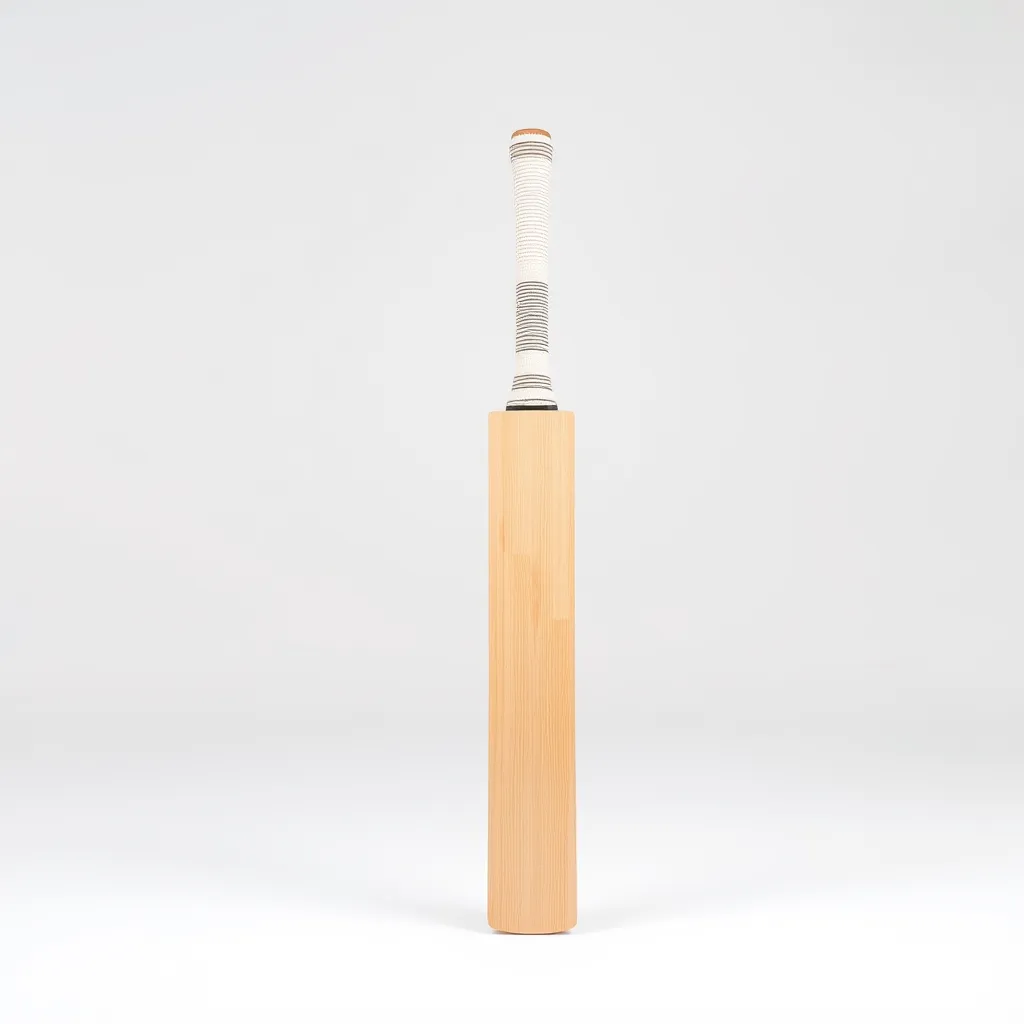
Cricket bat willow comes in grades from Grade 1 (the best) down to Grade 4 (the most affordable). The grade tells you how clean the wood looks - mainly the straightness of the grains and how free the blade is of marks and blemishes. Here is the simple truth most shops will not tell you: grading is mostly about looks, not power. A lower-grade bat can play just as well as a top-grade one. This guide explains what each grade means, what changes between them, and which grade is actually worth your money.
What Are Willow Grades?
When a cricket bat is made, the raw piece of willow (called a cleft) is sorted by appearance. Graders look at three main things: how many straight grains run down the face, how even and clean the wood looks, and whether there are marks like red stains, butterfly stains, knots, or specks. The cleanest clefts become Grade 1 bats, and the rest move down the scale to Grade 4. Some brands also sell a level above Grade 1, often called Grade 1+ or Pro/Players grade, which is reserved for the very cleanest clefts, usually for professional players.
Grade 1 Willow
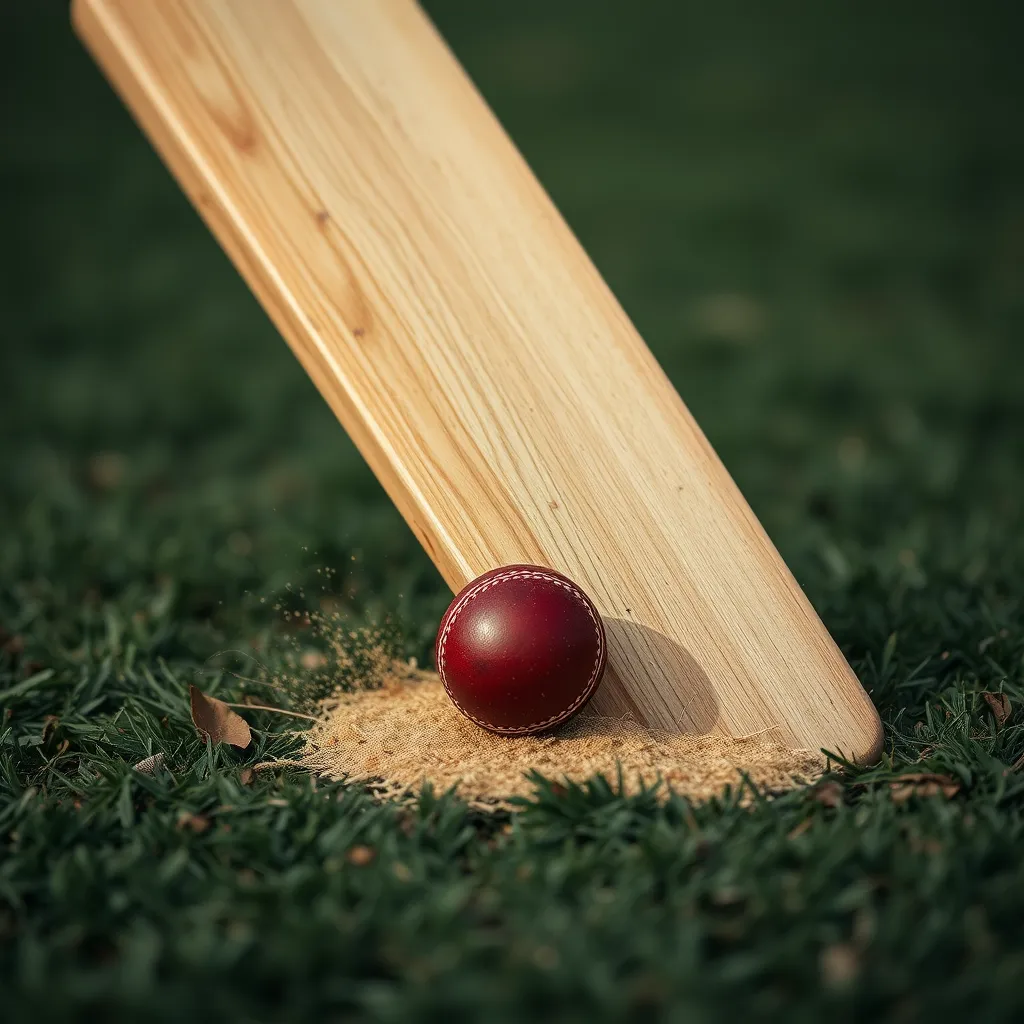
Grade 1 is the top standard sold to the public. Expect 6 to 12 straight, evenly spaced grains, a mostly unbleached white look, and little to no staining or marks on the face. The blade looks clean and premium. Grade 1 bats cost the most, and you are paying for that flawless look plus the best chance of a great-feeling blade. These suit serious club players and anyone who wants the best and is happy to pay for it.
Grade 2 Willow
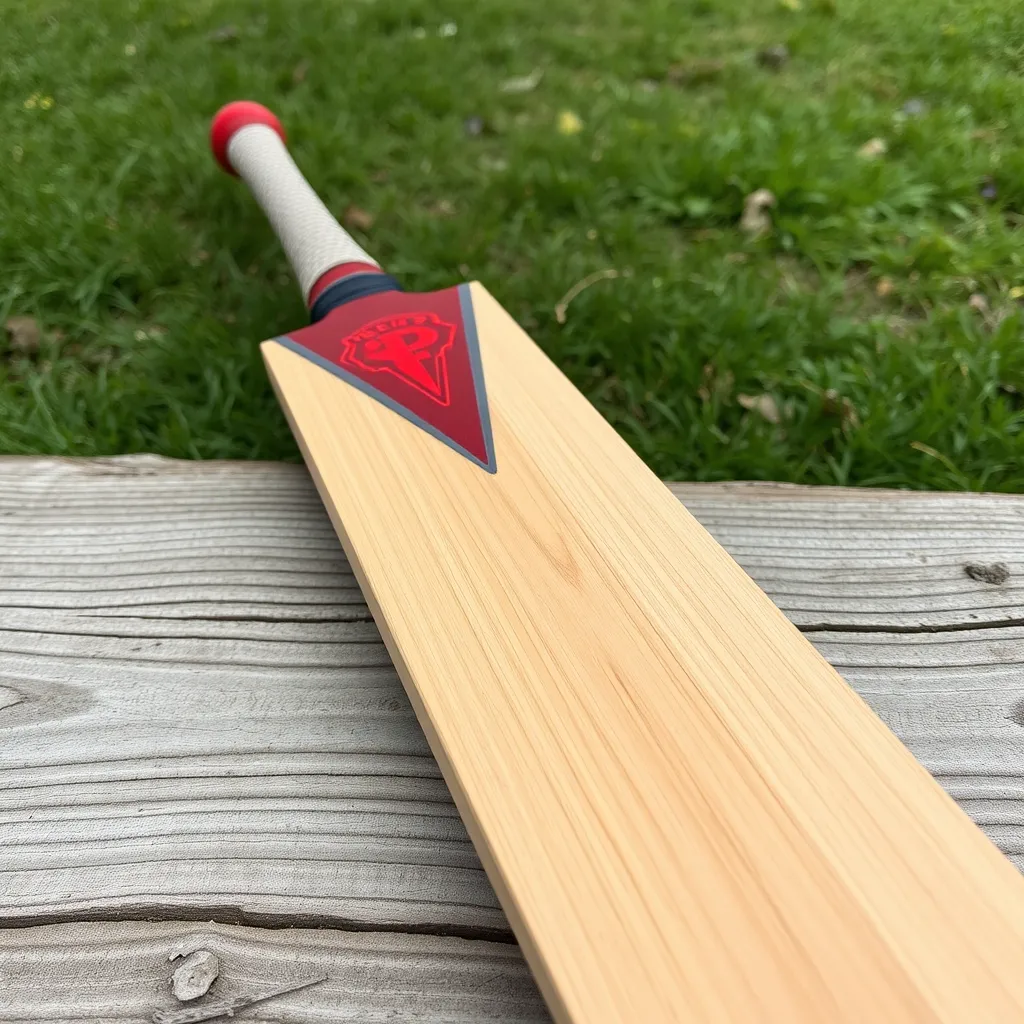
Grade 2 is very close to Grade 1 in performance. You still get good straight grains - usually 6 or more - but the blade may show some red wood on the edge or minor stains and small blemishes. None of this affects how the bat plays. Grade 2 is often called the smart buyer's grade: most of the quality, a noticeably lower price. For the majority of club cricketers, this is the sweet spot.
Grade 3 Willow
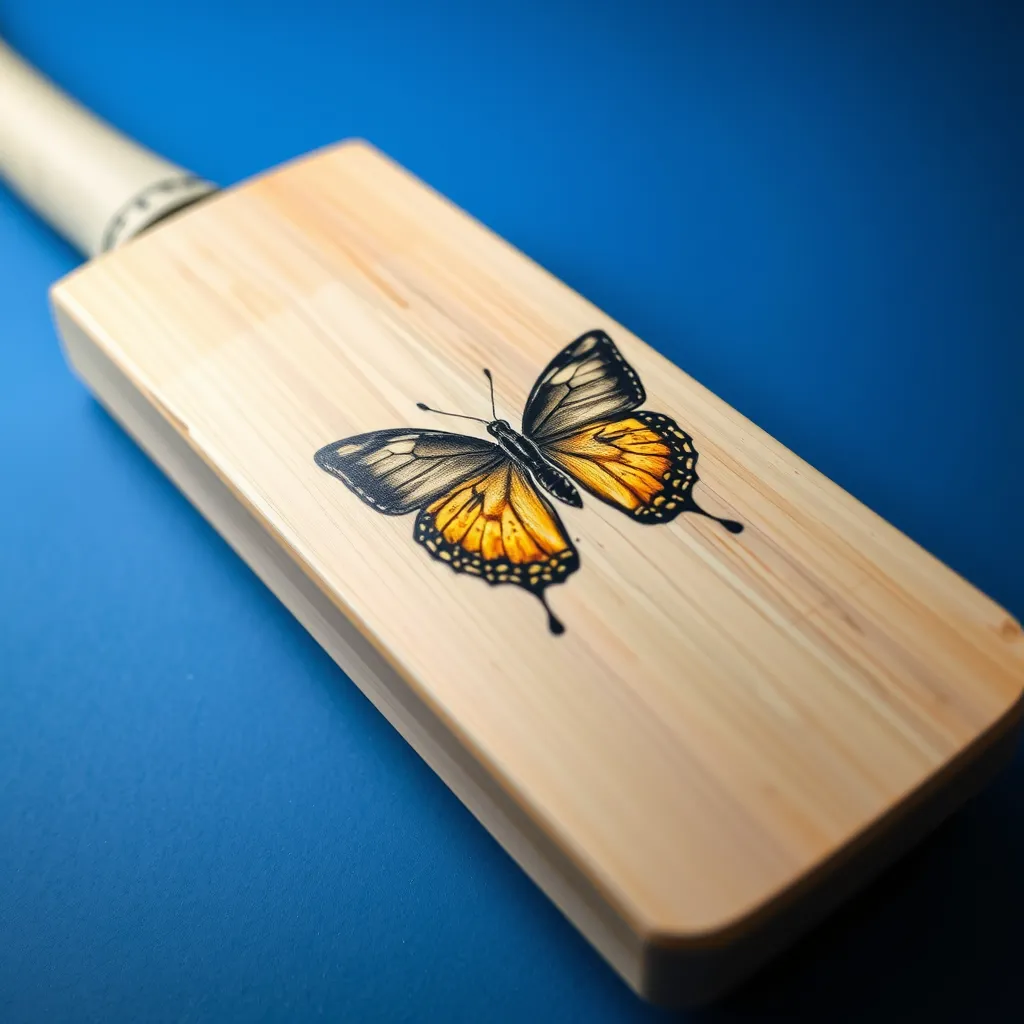
Grade 3 is the most popular grade sold worldwide. Expect around 4 to 6 grains, which may be a little wavy or uneven, plus more visible staining or a butterfly mark. Some Grade 3 blades are bleached to hide the colour differences. The wood is still genuine English willow and still performs well once knocked in. If you play regularly but do not want to spend big, Grade 3 gives you a real bat at a fair price.
Grade 4 Willow
Grade 4 is the entry level for English willow. Grains are fewer - often around 4 or less - and less even, and the blade usually has heavy staining, marks, or a butterfly stain, so these bats are commonly bleached and covered with a protective face sheet. Grade 4 bats are the cheapest way to own English willow, and they suit beginners, occasional players, and juniors moving up from Kashmir willow.
Willow Grades Compared
Grade | Grains | Look | Best For |
|---|---|---|---|
Grade 1+ / Pro | 8-12+, perfectly straight | Flawless, clean white | Professionals, sponsored players |
Grade 1 | 6-12, straight and even | Clean with little to no marking | Serious club players |
Grade 2 | 6+, mostly straight | Some red wood or minor stains | Regular club players (best value) |
Grade 3 | 4-6, may be wavy | Visible stains, often bleached | Regular players on a budget |
Grade 4 | Around 4 or less, uneven | Heavy marks, usually covered | Beginners and occasional players |
Does a Higher Grade Hit the Ball Harder?
Not really - and this is the most important thing to understand. Grading is done on appearance, not performance. Two bats from the same tree can sit two grades apart just because one has a stain. What actually decides how a bat plays is the pressing (how the maker compresses the wood), the profile and balance, and how well the bat is knocked in. Plenty of players will tell you their best-ever bat was a stained Grade 3. A higher grade improves your odds of a great blade and definitely looks better - but it is not a guarantee of more runs.
What About More Grains?
Grain count is the most misunderstood part of grading. More grains mean older, slower-grown wood, which usually plays at its best sooner but can wear out faster. Fewer grains mean younger wood that takes longer to reach its best but often lasts longer. Around 6 to 10 straight grains is the happy middle. Do not pay extra just to chase a high grain count.
Which Grade Should You Buy?
Buy Grade 1 if you play seriously, want the best look and feel, and the price does not bother you.
Buy Grade 2 if you want near-top quality at a better price - the best value for most club players.
Buy Grade 3 if you play regularly on a budget - it is the world's most popular grade for a reason.
Buy Grade 4 if you are a beginner, an occasional player, or buying a first English willow bat for a junior.
Willow Grades vs Kashmir Willow
All four grades above refer to English willow, the premium bat wood. Kashmir willow is a different, harder, and heavier wood grown in India and Pakistan - it is not part of the English grading scale. Kashmir willow bats cost less and are a fine choice for beginners, juniors, and tennis or tape ball cricket, but even a Grade 4 English willow bat will generally feel and perform better with a leather ball.
Conclusion
Willow grades run from Grade 1 (cleanest and priciest) to Grade 4 (marked but affordable), and the difference is mostly in the look of the wood - not the runs it scores. If money is no issue, enjoy a Grade 1. For everyone else, a well-pressed Grade 2 or Grade 3 bat, properly knocked in, will serve you brilliantly. Buy the grade that fits your budget, then judge the bat by its pickup, balance, and feel - that is what wins matches, not the grain count.
Frequently Asked Questions
Q1: What is the difference between Grade 1 and Grade 2 willow?
A: Mostly looks. Grade 1 has cleaner wood with straighter grains and almost no marks, while Grade 2 may show some red wood on the edge or minor stains. The playing performance is very similar, which makes Grade 2 the better value for most players.
Q2: Is Grade 4 willow bad?
A: No. Grade 4 is genuine English willow that simply has more marks and fewer grains, so it is often bleached or covered with a face sheet. Once knocked in, a Grade 4 bat plays well and is a great affordable starting point.
Q3: How many grains should a cricket bat have?
A: Around 6 to 10 straight grains is the sweet spot. More grains mean the bat plays well sooner but may wear faster; fewer grains take longer to open up but often last longer. Straightness matters more than the count.
Q4: Do professional players use Grade 1 bats?
A: Yes - professionals typically use the very cleanest clefts, often called Grade 1+ or Pro grade, which are above the retail Grade 1. These are selected for both looks and feel, and most are supplied directly by sponsors.