The sweet spot on a cricket bat is the area on the blade where the bat hits the ball with the most power and the least vibration - middle the ball there and it flies off the bat with almost no effort. It usually sits in the lower-middle of the blade, a few inches up from the toe, though the exact spot depends on the bat's design. Here is a simple guide to what the sweet spot is, how to find it on your own bat, and how the position changes the kind of player a bat suits.
What Is the Sweet Spot?
Every bat has a zone where the wood is pressed and shaped to give the best rebound. When the ball strikes this zone, the energy goes straight back into the shot instead of being lost as vibration in your hands. That is why a ball off the sweet spot feels effortless and "pings" away, while a ball off the edge or toe feels dead and stings your hands. The sweet spot is also called the middle - "he middled it" means the batter hit it right out of the sweet spot.
Where Is the Sweet Spot on a Cricket Bat?
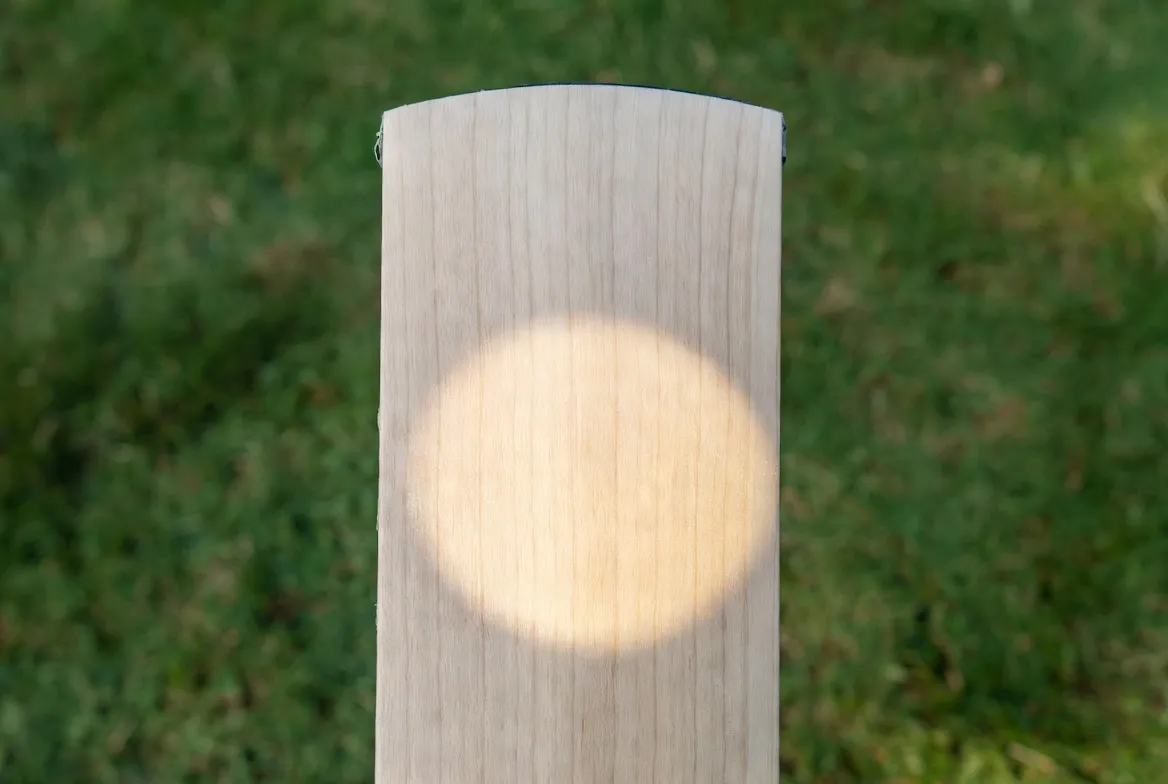
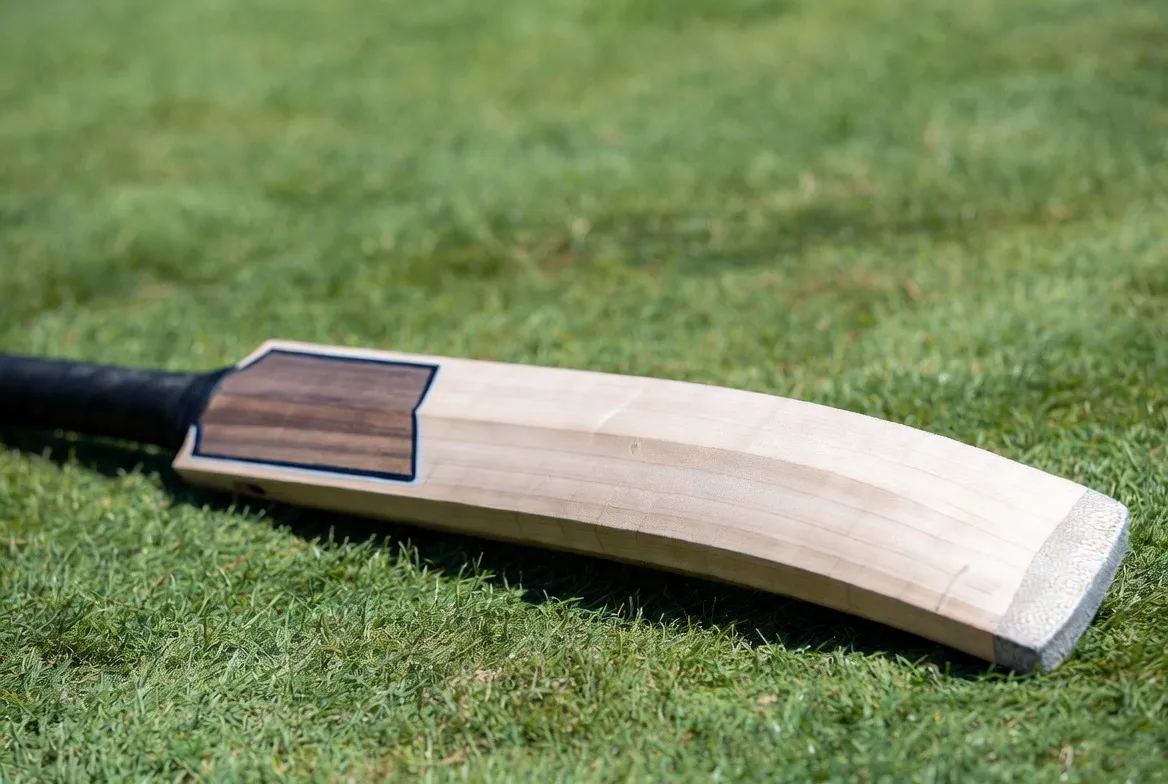
On most bats the sweet spot sits in the lower-middle of the blade, roughly a third of the way up from the toe. But it is not the same on every bat - it depends on where the maker places the bat's thickest part, known as the swell. The swell is the bulge of wood on the back of the bat, and the sweet spot sits around it. Move the swell up or down the blade and the sweet spot moves with it.
How to Find the Sweet Spot on Your Bat?
There is an easy test. Hold the bat by the handle and let it hang, then tap down the face of the blade with a ball or your knuckle, from the toe upward. As you move up, the sound changes and you will feel the spot where the bat gives the cleanest, most solid "knock" with the least buzz in your hand. That zone is your sweet spot. Doing this on your own bat tells you exactly where to aim to middle the ball.
Low, Mid, and High Sweet Spots
Where the swell and sweet spot sit changes the type of player a bat suits:
Sweet Spot | Best For | Why |
|---|---|---|
Low | Front-foot players, drives | Power low on the blade suits fuller, pitched-up balls |
Mid | All-round play | A balanced spot that handles most shots and surfaces |
High | Back-foot players, bouncy pitches | Power higher up suits short balls and cuts/pulls |
If you play mostly front-foot drives, a lower sweet spot helps. If you play a lot of pull and cut shots on bouncy pitches, a higher one suits you better. For most players, a mid sweet spot is the safe, do-everything choice.
Why the Sweet Spot Matters?
Hitting the sweet spot is the difference between a ball racing to the boundary and one that barely reaches the fielder. It gives you more power for less effort, protects your hands from jarring vibration, and helps your timing - good timing is really just consistently finding the middle. A bat with a sweet spot that matches your style makes the game feel easier.
In my own years playing age-group cricket in Pakistan, through the Under-16 and Under-19 levels, the difference was something you could feel instantly. Middle the ball out of the sweet spot and there is almost no sound or shock - the ball just leaves the bat. Catch it even an inch low toward the toe and your hands ring with the jar of it. Once you have felt that clean "ping" a few times, you start chasing it every ball, and that is really what good timing is.
Does a Bigger Sweet Spot Exist?
Yes, in a sense. Modern bats with thicker edges and a fuller profile spread the responsive area over a larger part of the blade, so off-center hits still carry well. This is often called a "bigger middle." It is one reason today's bats feel more powerful than older, thinner ones - there is simply more forgiving wood to hit. Just remember a bigger profile usually means a heavier bat, so balance it against pickup.
How to Keep Your Sweet Spot Performing?
A bat only plays at its best if it is looked after. Knocking in a new bat compresses the surface fibers so the sweet spot can do its job without the wood cracking, and light oiling keeps the blade from drying out. A well-prepared bat has a livelier, longer-lasting middle, while a neglected one loses its ping over time.
Conclusion
The sweet spot is the heart of a cricket bat - the zone that turns effort into power and makes timing feel easy. It sits around the bat's swell, usually in the lower-middle, and its exact height decides whether a bat suits front-foot or back-foot players. Find the sweet spot on your own bat with a simple tap test, pick a profile that matches your game, and keep the bat knocked in and oiled, and you will get the most out of every shot.
Frequently Asked Questions
Q1: Where is the sweet spot on a cricket bat?
A: On most bats it sits in the lower-middle of the blade, around a third of the way up from the toe, centered on the bat's swell (the thickest part of the back). The exact position varies by bat design.
Q2: What does "middling the ball" mean?
A: It means hitting the ball right out of the sweet spot. When a batter middles it, the ball flies off the bat with maximum power and almost no vibration, which is why it feels effortless.
Q3: How do I find the sweet spot on my bat?
A: Hold the bat by the handle and tap down the face with a ball or your knuckle, from the toe upward. The spot that gives the cleanest, most solid knock with the least buzz in your hand is the sweet spot.
Q4: Is a low or high sweet spot better?
A: Neither is better overall - it depends on your style. A low sweet spot suits front-foot drivers and fuller pitches; a high one suits back-foot players on bouncy pitches. A mid sweet spot is the best all-round choice for most players.